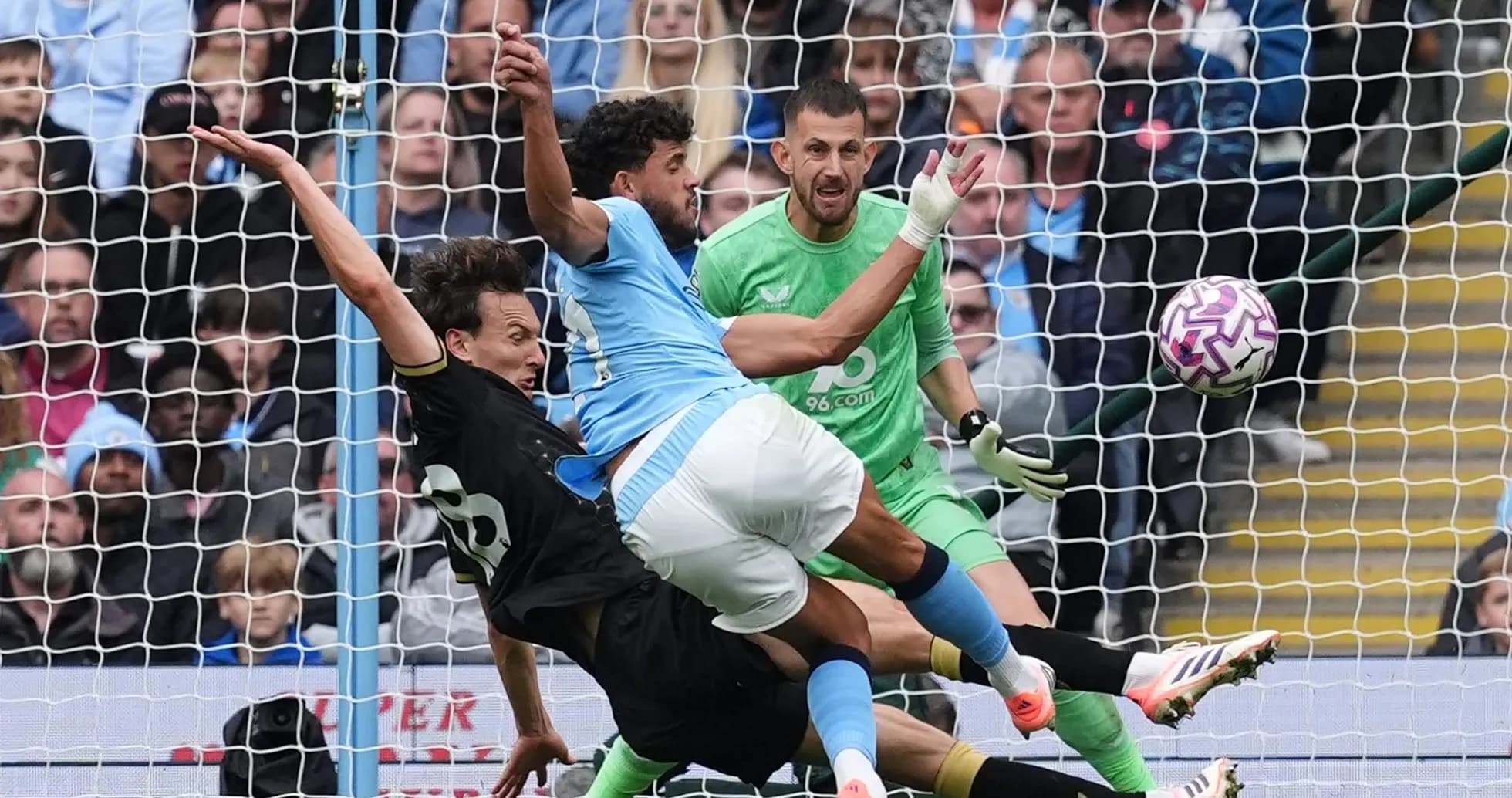
Burnley vs Manchester City: Premier League Clash of Extremes
Turf Moor hosts a meeting of extremes in the Premier League in April 2026, as 19th‑placed Burnley welcome title‑chasing Manchester City. With Burnley deep in relegation trouble on 20 points from 33 matches, and City sitting 2nd with 67 points from 32 games, the stakes are starkly different: survival versus silverware, but both sides are under real pressure.
Context and stakes
In the league, Burnley are entrenched in the bottom three, with a goal difference of -33 and just 4 wins all season. Their recent form of LLLDL underlines a side sliding towards the Championship unless something changes quickly. Turf Moor has not been a fortress: only 2 wins from 16 home matches, with 15 goals scored and 25 conceded.
Manchester City, by contrast, are in familiar territory. Second in the table with a +36 goal difference, they are firmly in the title race and cannot afford dropped points. Their form line of WWDDW suggests consistency, and across all phases they have been one of the division’s most balanced teams: 65 goals scored and only 29 conceded in 32 league games.
With so much on the line at both ends of the table, this is the archetypal “free hit” for Burnley: any points would be a bonus, but a heavy defeat could further damage already fragile confidence and goal difference.
Tactical outlook: Burnley
Burnley’s season data paints a picture of a team constantly searching for the right structure. Across all phases they have used seven different formations, most frequently 4‑2‑3‑1 (10 times) and 3‑4‑2‑1 (8 times), with spells in 5‑4‑1 and 4‑3‑3 when they have tried to tighten up. That tactical restlessness reflects the challenge of balancing survival pragmatism with any sort of attacking threat.
The numbers are brutal: 34 goals scored and 67 conceded in 33 matches, averaging just 1.0 goal for and 2.0 against per game. At home the attack has been particularly blunt (0.9 goals per match), and Burnley have failed to score in 12 league games overall. Their biggest home defeat (1‑3) and away thrashings (notably 5‑1) show what happens when they open up too far.
Given City’s quality, Burnley are likely to lean towards a back five or a compact 4‑2‑3‑1, with the double pivot screening central zones and the wide players dropping deep to form almost a 5‑4‑1 without the ball. The emphasis will be on protecting the box, limiting cut‑backs, and forcing City to cross from deeper, less dangerous positions.
In possession, Burnley’s best route to goal runs through Zian Flemming. The Dutch midfielder is their standout attacking threat this season with 9 league goals from 24 appearances, an impressive return in a struggling side. He averages 1.3 shots on target per game (19 on target from 32 attempts) and offers late runs from midfield rather than traditional No 9 play. His ability to find pockets between the lines could be key in transition, especially if City’s midfield pushes high.
Burnley’s set‑piece and penalty profile is another small positive. They have converted both of their penalties this season (2/2, 100%), with Flemming himself perfect from the spot (2 scored, 0 missed). In a match where open‑play chances may be scarce, dead‑ball efficiency could be crucial.
Team news, however, is a major concern. Burnley are without J. Beyer (hamstring), J. Cullen (knee), H. Mejbri (hamstring) and C. Roberts (muscle injury), while Z. Amdouni is questionable with a knee problem. That removes depth in defence, midfield control, and some creativity, making it harder to rotate or change approach mid‑game. The defensive absences in particular will test their ability to cope with City’s rotations and overloads.
Discipline is another under‑the‑radar issue. Burnley’s card distribution shows a high volume of yellows late in games (especially between 76‑90 and stoppage time), suggesting fatigue and desperation fouls. Against a side that thrives on late pressure, that could easily translate into dangerous free‑kicks or a red card.
Tactical outlook: Manchester City
City arrive with one of the league’s most complete statistical profiles. Across all phases they average 2.0 goals scored per match and just 0.9 conceded, with 63 goals scored and 28 against in 31 recorded matches. Away from home they still score at 1.7 per game and concede only 1.1, underlining that their control travels.
Pep Guardiola (or his successor, structurally speaking) has relied primarily on a 4‑1‑4‑1 (12 times) and 4‑3‑2‑1 (8 times), with 4‑3‑3 used 6 times. The common thread is a single pivot, two advanced interiors and wide forwards who can either stretch the pitch or come inside to overload central lanes. Expect City to dominate possession, pin Burnley back, and use their full‑backs aggressively to create 2v1s on the flanks.
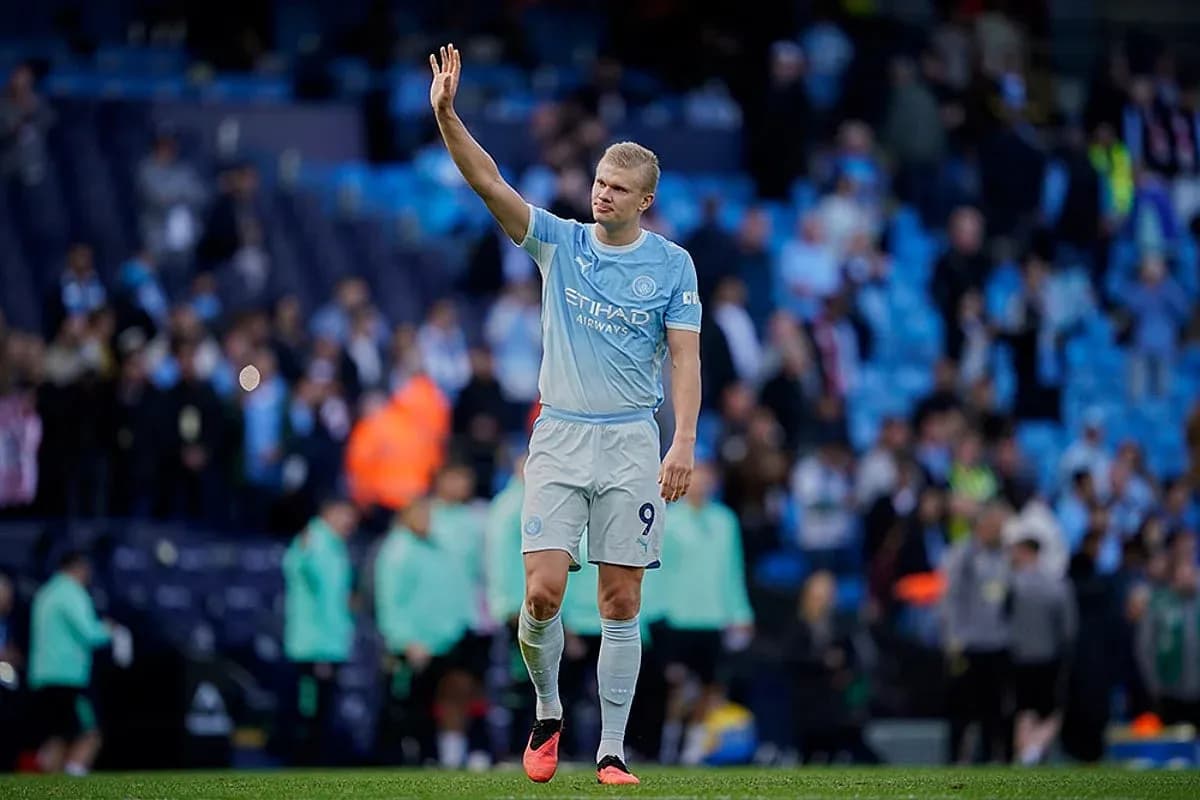
Erling Haaland remains the reference point. The Norwegian leads the Premier League scoring charts with 23 goals in 31 appearances, adding 7 assists. His shot volume (91 attempts, 51 on target) and all‑round involvement (22 key passes, 219 duels, 120 won) confirm that he is not just a penalty‑box finisher but a constant physical and tactical problem. Even if Burnley defend deep, Haaland’s movement across the line, plus his aerial threat, will test their centre‑backs relentlessly.
One nuance: from the penalty spot Haaland has scored 3 and missed 1 this season, so while he is prolific, his record is not flawless. City as a team are 3/3 on penalties in the league, but the individual data matters when profiling his ruthlessness.
Defensively, City’s structure is usually underpinned by a high line and aggressive counter‑press. Their 13 clean sheets (7 at home, 6 away) reflect that they prevent shots as much as they defend them. However, they will be without Rúben Dias due to a muscle injury, removing a key organiser and aerial presence. That could open a window for Burnley on set‑plays and long diagonals.
Rodri is listed as questionable with an injury. His availability is pivotal to City’s control. With him, the 4‑1‑4‑1 operates with near‑total security in rest defence; without him, City may have to adjust the pivot role or drop an extra midfielder deeper, potentially giving Burnley slightly more transition space.
Head‑to‑head narrative
The recent head‑to‑head record is brutally one‑sided. The last five competitive meetings, all since 2022, have all gone Manchester City’s way:
- In September 2025 at the Etihad, City beat Burnley 5‑1 in the league.
- In January 2024, again at the Etihad, City won 3‑1.
- On the opening day in August 2023 at Turf Moor, City ran out 3‑0 winners.
- In March 2023, City crushed Burnley 6‑0 in an FA Cup quarter‑final.
- In April 2022 at Turf Moor, City won 2‑0 in the league.
Across those five matches, City have 5 wins, Burnley 0, with no draws. The aggregate score is 19‑2 in City’s favour. At Turf Moor specifically, the last two league meetings ended 3‑0 and 2‑0 to the visitors, underlining how hard Burnley have found it even with home advantage.
Key battles and patterns
- Burnley’s low block vs City’s positional play: Expect Burnley to sit deep, narrowing the central corridor, while City circulate patiently, looking for cut‑backs and half‑spaces rather than hopeful crosses.
- Flemming’s transitions vs City’s rest defence: If Burnley can break the first press, Flemming’s ability to carry and shoot from the edge of the box is their best route to an upset.
- Set‑pieces: With Dias out and Burnley strong from the spot, any corners, long throws or penalties for the hosts could be decisive. Conversely, City’s technical quality makes them dangerous from any free‑kick around the area.
- Late‑game discipline: Burnley’s tendency to pick up cards late on could be costly if they are chasing the game against fresh City substitutes.
The verdict
Data, form and history all point in one direction. Burnley are conceding two goals per game across all phases and have lost 21 of 33 league matches. Manchester City, with the league’s top scorer and a robust defensive record, are in far stronger shape and have dominated this fixture for years.
Burnley’s injury list, combined with their fragile confidence and leaky defence, makes a home upset unlikely. Their best hope is to keep the game tight for as long as possible, lean on Flemming’s threat and set‑pieces, and try to exploit any City discomfort without Dias or, if absent, Rodri.
However, if City play anywhere near their usual level, their attacking depth and control should tell. A Manchester City win, likely by a margin of a couple of goals, is the logical expectation, with Burnley needing something close to perfection – and a bit of luck – to alter the script.