CAF President Patrice Motsepe Faces Crisis in Senegal
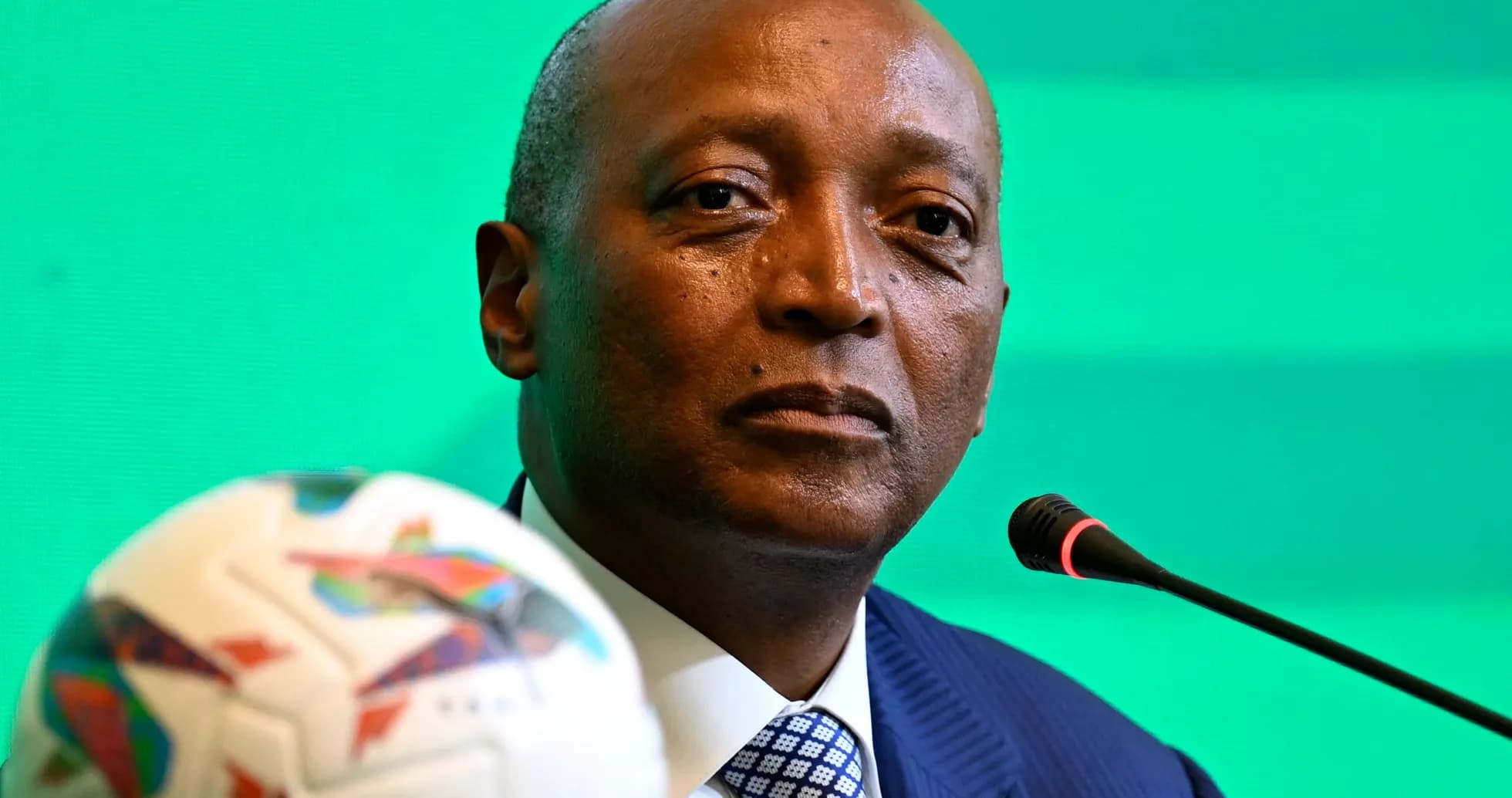
CAF chief Patrice Motsepe is flying into a storm.
The 2025 Africa Cup of Nations was supposed to crown a champion on the pitch. Instead, it has plunged African football into one of the most contentious episodes in its modern history, after CAF awarded the title to Morocco “on paper” following Senegal’s withdrawal from the final.
In Dakar, that phrase has landed like a provocation. “On paper” feels like an insult to a proud football nation that believes it has been denied its right to compete for the trophy. The decision has triggered fury in Senegalese sporting and political circles, with accusations of unfair treatment and a sense that the process has lacked transparency from the start.
A final that never was
Once CAF confirmed Morocco as champions, the fallout was immediate. Senegal refused to accept the verdict and moved the battle from the pitch to the courts, filing an appeal with the Court of Arbitration for Sport (CAS). The Senegalese federation argues that the national team’s withdrawal came under compelling circumstances, and that those conditions must be taken into account when judging the case.
The dispute has gone far beyond a simple disciplinary matter. It has shaken confidence in CAF’s governance and stirred deep resentment between two of the continent’s leading football nations. Every statement, every communiqué, has been scrutinised for bias.
CAF has tried to cool tempers with carefully worded messages, stressing balance and unity. The words have not been enough. In Dakar, public anger has continued to rise, and the issue has spilled into the political arena. The pressure has forced Motsepe out of boardrooms and into the heart of the storm.
Motsepe heads to Dakar
With tensions refusing to subside, CAF’s president has decided to act in person. According to local media, Patrice Motsepe is expected in Dakar within hours on an official visit aimed at easing the crisis and reopening direct dialogue with Senegal.
His schedule underlines the gravity of the situation. Motsepe is due to meet Abdoulaye Fall, president of the Senegalese Football Federation, before holding a private audience with Senegal’s head of state, Bassey Diomaye Faye. These are not routine courtesy calls. They are damage-control meetings at the highest level, an attempt to rebuild trust before the legal fight in Lausanne gathers full speed.
CAF knows what is at stake. The governing body is not just defending a decision; it is defending its credibility to manage the continent’s flagship competition without tearing its members apart.
Senegal’s message: anger, but open doors
Despite the bitterness over the AFCON ruling, Senegal has chosen to send a public signal of respect to Motsepe. Abdoulaye Fall has made it clear that the CAF president will not walk into a hostile barricade, but into a country keen to uphold its image.
Fall reminded the continent of Senegal’s identity. “Senegal is the land of Teranga, and Teranga means welcome. We welcome all Africans here in Senegal,” he said in a video message directed at Motsepe. The tone was firm but courteous, a blend of wounded pride and continental solidarity.
He went further, underlining that Motsepe would be treated as one of their own. “President Motsepe has decided to come to Senegal. He will be welcomed. We are all Africans and this is his country too.”
The words matter. They frame the visit not as a surrender, but as an invitation to face the dispute openly, on Senegalese soil, under Senegalese eyes.
A crossroads for African football
Motsepe’s arrival in Dakar feels like a decisive moment. This is more than a protocol trip; it is an attempt to drag a crisis back from the brink before it hardens into a long, poisonous feud.
The AFCON controversy has already cast a long shadow over the reputation of the competition and of CAF itself. If the continental body cannot convincingly show that it can handle its biggest showpiece with fairness and authority, every future decision will be questioned.
Now the president of CAF walks into a capital where trust has been badly damaged, hoping conversation can succeed where official statements have failed. The meetings in Dakar will not rewrite what happened to the 2025 final. They will, however, go a long way to deciding something just as important: whether African football can still resolve its fiercest disputes in a spirit of unity and responsibility, or whether this “paper” title becomes the symbol of a deeper fracture.