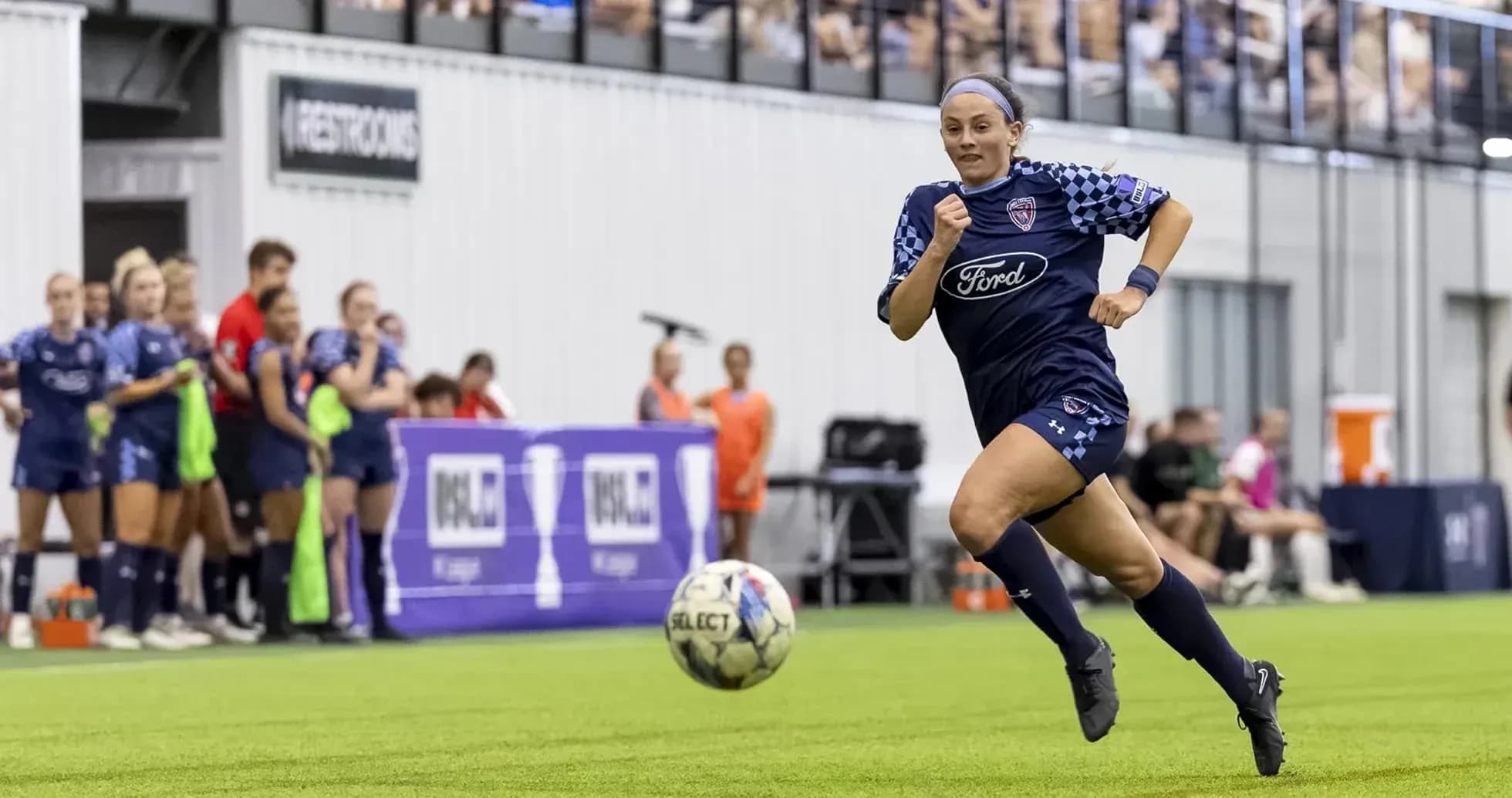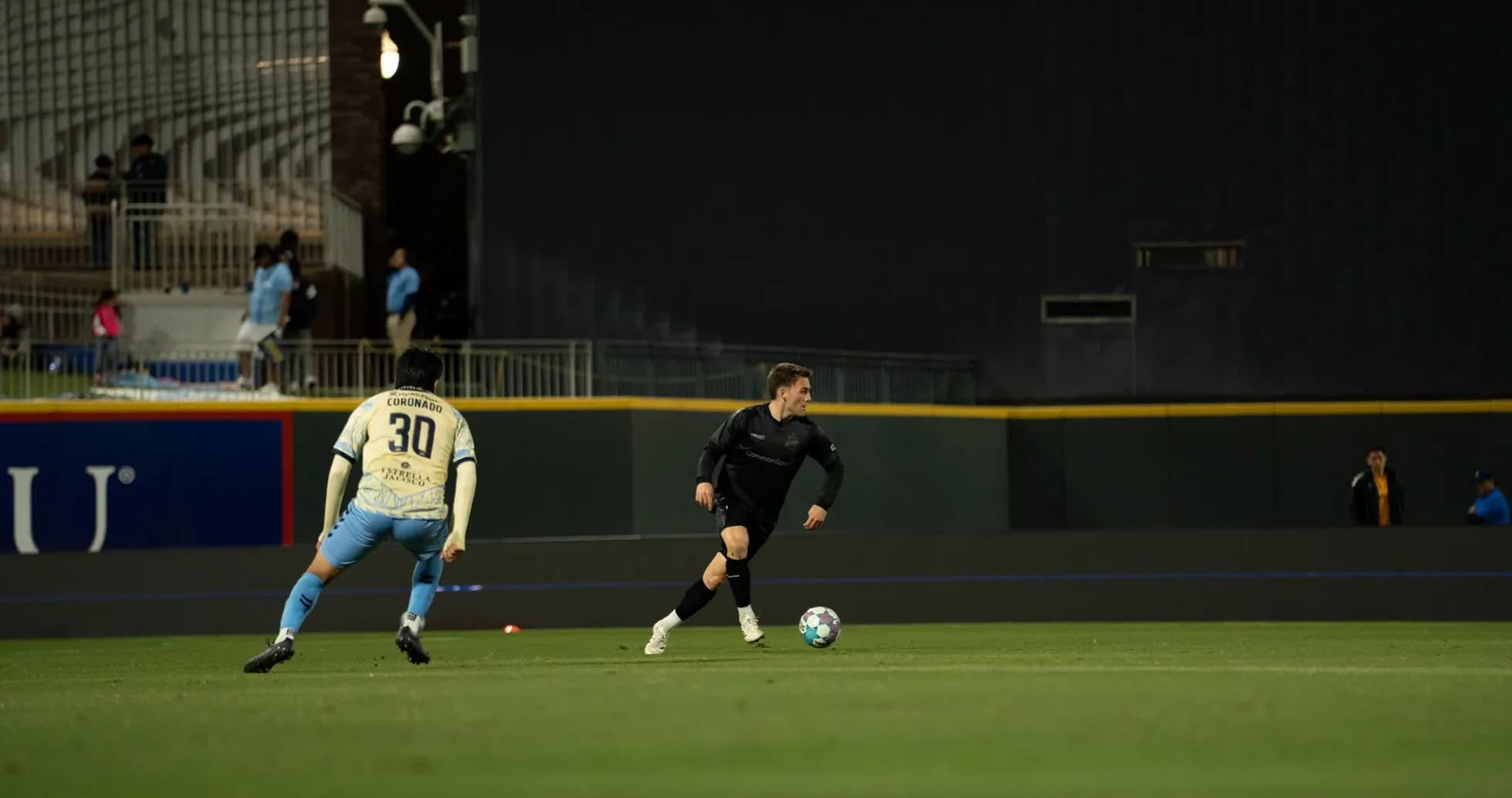
Colorado Springs Secures 2–1 Victory Over El Paso Locomotive
On a cool night at Weidner Field, Colorado Springs closed out their USL League One Cup group-stage campaign with a statement: a 2–1 home win over El Paso Locomotive that confirmed the existing hierarchy of Group 2 rather than overturning it. The scoreline matched the broader shape of the group table. Heading into this game, Colorado Springs sat top with 9 points and a goal difference of +6, built on 7 goals for and just 1 against in total. El Paso arrived as the nearest challenger on 6 points, their own goal difference a more modest +2 from 5 goals scored and 3 conceded in total.
This was billed as a meeting between the most complete side in the group and the one most capable of unsettling them. Colorado Springs had been ruthless at home, winning both prior home fixtures, scoring 6 and conceding just 1 at Weidner Field. El Paso, by contrast, were still calibrating their identity on their travels: 2 away games in the competition had yielded 1 win and 1 defeat, with 3 goals for and 3 against away from home. The margins were tight, but the underlying profiles were clear—Colorado Springs the control side, El Paso the chaser.
Alan McCann’s selection underlined that authority. With C. Shutler in goal and a defensive core featuring P. Burner, T. Maples, G. Metusala and A. Rocha, Colorado Springs leaned on the stability that had seen them concede only 1 goal in total across their first 3 matches. In front of them, S. Williams and F. Daroma formed the spine of a side that could both screen and spring forward, while the attacking trident of Y. Hanya, S. Masereka and J. Tejada, supported by the energy of T. Magee, promised verticality and rotation rather than a static front line.
Junior Gonzalez’s El Paso Locomotive arrived with their own clear blueprint. A. Romero anchored the side from the back, shielded by a back line including A. Quezada, K. Twumasi, Tony Alfaro and R. Ruiz. In midfield, the pairing of E. Calvillo and D. Gomez offered a blend of distribution and bite, while Gabriel Torres and A. Mendez were tasked with linking to the creative fulcrum A. Moreno and the central reference point R. Rubin. It was a lineup built to counterpunch: compact without the ball, then funneling transitions through Moreno and Rubin.
If there was a tactical void to exploit, it lay less in personnel absences—no missing-player data was recorded—and more in discipline and game-state management. Colorado Springs’ season-long yellow card profile revealed a tendency toward late-game edge: 22.22% of their cautions arriving between 61–75 minutes, another 22.22% between 76–90, and a striking 33.33% between 91–105. El Paso, for their part, had their own flashpoints; 50.00% of their yellows came in the 31–45 window, and they had already seen 1 red card between 16–30 minutes, a reminder that their aggressive edge can tilt into self-harm.
In the first half, that tension played out in miniature. The sides went into the break at 1–1, mirroring the half-time scoreline. Colorado Springs again showed why they had failed to score in none of their prior matches—0 total games without a goal, home or away. Their attacking patterns, orchestrated by the movement of Tejada and Hanya, asked repeated questions of El Paso’s back line. For Locomotive, the equaliser was a reminder of their own offensive competence: heading into this game, they had averaged 1.7 goals per match in total, with 2.0 at home and 1.5 away, and they again found a way through, likely via the interplay of Moreno and Rubin.
The “Hunter vs Shield” duel was always going to be defined by Colorado Springs’ collective attack against El Paso’s away defensive record. Colorado Springs had averaged 3.0 goals at home, conceding just 0.5 on their own pitch. El Paso’s away defence, shipping 1.5 goals on their travels, was solid but not impregnable. Over 90 minutes, that gap told: Colorado Springs added a second after the break to close the night 2–1 winners, a scoreline that felt like the statistical mean between their own home potency and El Paso’s vulnerability on the road.
Midfield Battle
In midfield—the “Engine Room”—the contest between Colorado Springs’ double pivot and El Paso’s central triangle proved decisive. S. Williams and F. Daroma, with the help of T. Magee, tilted the central spaces in the hosts’ favour, allowing Colorado Springs to maintain the kind of territorial control that had underpinned their 3 wins from 3 heading into this fixture. El Paso’s E. Calvillo and D. Gomez worked tirelessly, but too often they were forced into recovery runs rather than dictating tempo, leaving A. Moreno and Gabriel Torres feeding on sporadic transitions rather than sustained possession.
Defensively, Colorado Springs did finally bend. Conceding 1 goal on the night doubled their total-against tally in the competition from 1 to 2, but the broader pattern of solidity remained. They had kept 2 clean sheets in total before this game—1 at home, 1 away—and even in conceding here, the structure around Shutler largely limited El Paso to moments rather than waves. For Locomotive, the late push never quite materialised into parity; their previous clean sheet at home and their single away defeat (a 2–1 loss) suggested a team accustomed to knife-edge margins, and this was another such night.
From an xG-style perspective, even without explicit numbers, the trends are clear. Colorado Springs’ superior chance volume at home, combined with El Paso’s tendency to concede 1.5 goals away, pointed toward a narrow home win being the likeliest outcome. Following this result, the table’s logic has been vindicated: Colorado Springs look every inch a “Playoffs” side, their perfect record and robust goal difference rooted in a balanced squad and a clear identity. El Paso Locomotive, meanwhile, leave Weidner Field with confirmation that they are close—but not yet capable of dislodging the group’s dominant force when it matters most.