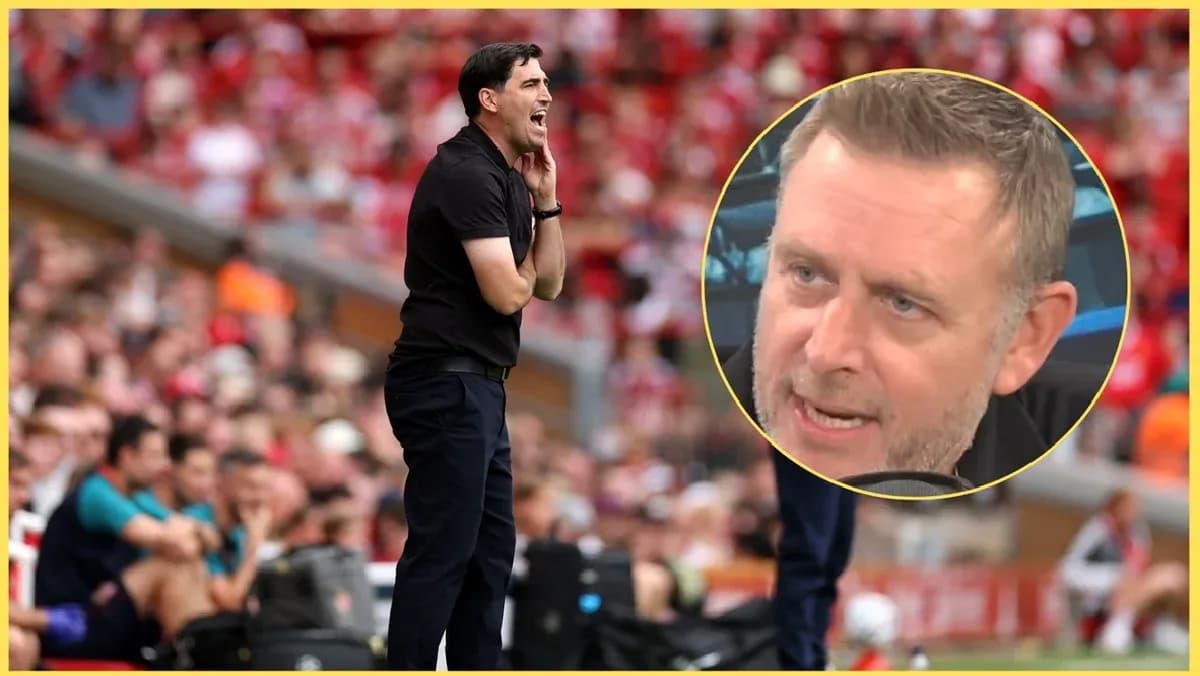
Defoe's Management Tenure at Woking Ends Abruptly
Jermain Defoe’s first job in management has ended not just abruptly, but acrimoniously, with Woking’s director of football Jody Brown claiming the former Tottenham and England striker failed to attend training and ignored repeated requests for key planning documents.
Defoe’s contract with the National League club was mutually terminated on Thursday after only four months in charge. His brief tenure yielded two wins and one defeat from six matches, a small sample size that hinted at promise but never had the chance to grow into anything more substantial.
When the 43-year-old walked away, he framed the decision in stark terms. It was, he said, “impossible for me to continue”, and he called his spell at the Surrey side an “eye-opening” experience. Those comments suggested a man disillusioned by what he had found behind the scenes.
Woking have now offered a very different version of events.
In a strongly worded club statement released on Saturday, Brown accepted that the decision to hand Defoe his first managerial role had been his call – and his responsibility.
“The recommendation to appoint Jermain as manager was mine, and I take full responsibility for it,” Brown said. “After meeting with him on several occasions, I believed he was the right person to lead the club into an exciting new era.”
That was the vision. The reality, Brown claimed, began to unravel in recent weeks.
“However, in recent weeks there had been feedback from across the club, including players, staff and other departments, regarding growing concerns,” he continued.
The pressure finally told when Brown sought clarity on the football operation. Wanting to firm up Woking’s plans for the season, he asked Defoe and his assistant, Paul Bracewell, for a short report. The brief was straightforward: outline the depth of the current squad, identify recruitment targets and flag any operational issues that might require board support.
It was, Brown stressed, a practical step designed to “provide the support required and accelerate preparations for the season”.
The report never came.
“That report was requested on more than one occasion but was never received,” Brown said.
Behind those dry words lies the crux of the breakdown. For a club trying to punch above its weight in the National League, the manager’s relationship with the director of football is central to everything: signings, budgets, training schedules, even the tone around the training ground. When communication stalls, anxiety spreads quickly.
Brown also alleged that Defoe failed to turn up for training, a claim that cuts to the heart of any manager’s basic duties and hints at a complete loss of trust.
Defoe has not publicly addressed those specific accusations, beyond his earlier statement about the role becoming “impossible”. His departure, once framed as a mutual parting of ways, now looks more like the fallout from a relationship that fractured on both sides.
For Woking, the task is immediate and unforgiving: stabilise the dressing room, restore a sense of direction and find a manager who can work within the club’s structure.
For Defoe, the question is sharper. After an “eye-opening” first taste of management ending in public dispute and claims of no‑shows, who will hand him the next set of keys?