Egypt Advances to Last 16 After Penalty Shootout Victory Against Australia
Hossam Abdelmaguid stood over the ball, 18 yards from history. One clean strike later, Egypt were somewhere they had never been before: the last 16 of a World Cup.
In a swirling, nerve-shredding night in Texas, the Pharaohs outlasted Australia 4-2 on penalties after a 1-1 draw over 120 minutes, surviving wasted chances, an off-colour Mohamed Salah and a rugged Socceroos side that refused to go quietly.
Now Lionel Messi and Argentina are almost certainly next, assuming the reigning champions deal with Cape Verde. Egypt will not care. Not tonight.
A shootout framed by tension
Tony Popovic rolled the dice before the penalties, sending on veteran goalkeeper Mathew Ryan in a late, desperate switch for the shootout. It was a bold call. It did not rattle Egypt.
With the kicks taken in front of a wall of Egyptian supporters, the pressure snapped first on Australia. Harry Souttar, usually so composed, stepped up for the opening penalty and smashed it over the bar. A groan from the Socceroos, a roar from the stands. The tone was set.
The next five takers all found the net, Salah among them, strolling up and burying his kick with icy calm that had been missing in open play. Then came 18-year-old defender Lucas Herrington. He went high, too high, the ball crashing against the bar and flying away, leaving Australia on the brink.
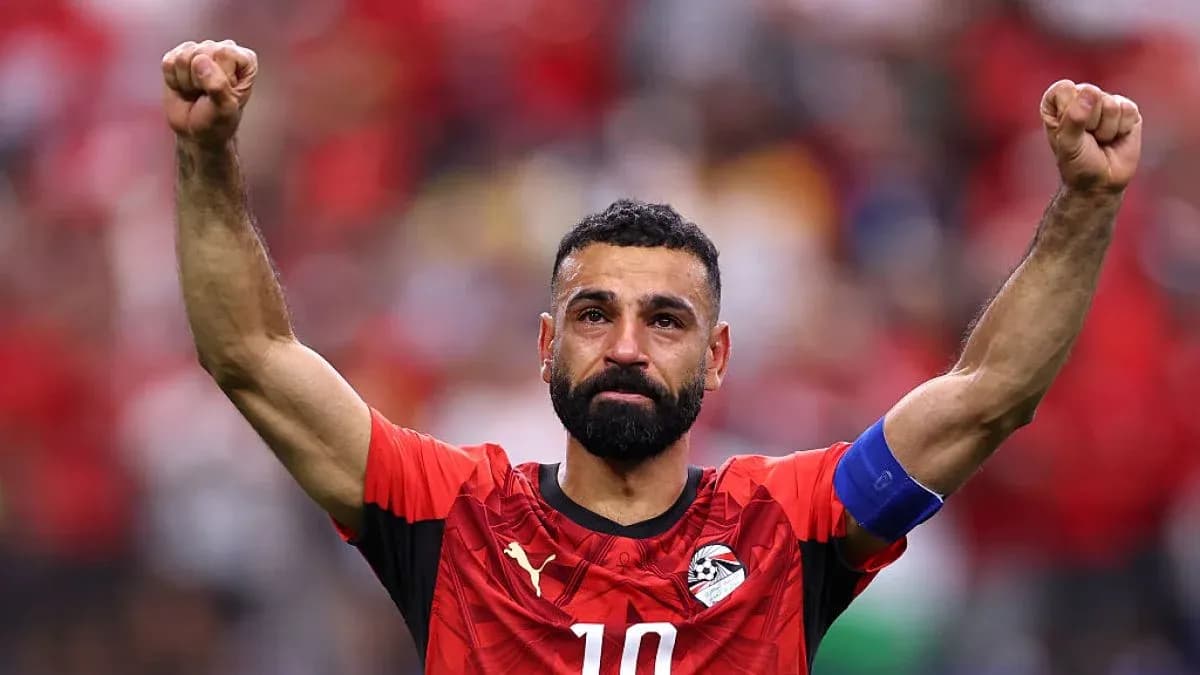
Abdelmaguid did the rest, sending Ryan the wrong way and his country into uncharted territory. Salah sank to the turf in tears, his frustration from 120 laboured minutes washed away in a moment. Egypt’s players sprinted towards their young match-winner; Australia’s collapsed where they stood.
Egypt strike first, against the grain
The setting could hardly have been more American: the air-conditioned home of the Dallas Cowboys, a crowd of 70,000, noise ricocheting around the arena. Early on, it was Australia who settled quicker.
Cristian Volpato, the late convert from Italy to the green and gold, almost wrote his own World Cup fairy tale within five minutes. His fierce effort skimmed the top of the bar, a warning that Egypt’s defence, already looking edgy, would not have it all their own way.
Yet it was Hossam Hassan’s side who landed the first blow, slightly against the run of play. From a Karim Hafez cross, Nestory Irankunda switched off at the back post and lost his man. Emam Ashour, timing his run perfectly, rose and guided his header in for his second goal of the tournament after just 13 minutes.
The goal flipped the script. Australia, who had scored only twice in the group stage, suddenly had to chase. Egypt, who had waited a lifetime just to win a World Cup match before beating New Zealand 3-1 in the group phase, now had something precious to protect.
Their grip, though, never felt entirely secure.
Australia fight back, Egypt wobble
Australia struggled to test Mostafa Shobeir for long stretches. Their first shot on target arrived 10 minutes before the break, Aziz Behich driving tamely at the Egypt goalkeeper, whose father Ahmed stood between the posts at the 1990 World Cup.
Physical duels piled up. One of them left a mark. Jordan Bos, one of the quickest players at this tournament, ended the first half in a heap after a crunching aerial challenge from Rabia. He did not reappear after the interval, replaced by Kai Trewin in a setback for Popovic’s game plan.
Salah, 34 and playing through a hamstring strain, drifted on the margins. He saw little of the ball, found little space, and when Egypt needed a spark in an attritional first period, it did not come from their captain.
It should have been 2-0 seconds after the restart. Omar Marmoush, the Manchester City attacker, ghosted into space and somehow dragged his finish wide from close range. A glaring miss. A let-off that Australia would not waste.
Egypt’s coach had warned about Australia’s physicality at set pieces. The concern proved justified. From an in-swinging free-kick, Mohamed Hany, under intense pressure, misjudged the flight and glanced a header past his own goalkeeper. His second own goal of the tournament, and a gift that dragged the Socceroos level 10 minutes after half-time.
The match changed on that moment. Egypt, briefly rattled, saw their early authority evaporate. Australia, sensing vulnerability, pushed higher, chased second balls, and turned the contest into a scrap.
Extra time, frayed nerves, and Salah’s second act
As the clock ticked towards 90, both teams could feel what was at stake. Neither nation had ever won a knockout match at a men’s World Cup. Every duel, every clearance, every half-chance carried the weight of history.
Egypt finished normal time stronger. Salah finally began to stitch a few moves together, linking play and dragging defenders out of position. Deep into added time, he helped create the opening that almost settled it, only for Patrick Beach to fling himself across goal and deny Ramy with a superb save.
Extra time brought more tension than quality. Legs tired, minds clouded. Salah, on his weaker right foot, lashed one effort high over the bar early in the additional 30 minutes. It felt like a sign. Penalties loomed, each side too afraid to over-commit, too aware of what a single mistake might cost.
When the whistle finally came, both benches knew it: this would be decided from the spot.
A new chapter, and a looming giant
In the end, Egypt’s nerve held. Their execution held. Their history changed.
They had arrived in this tournament without a World Cup win to their name. They now have two, and a place in the last 16 that no previous Egyptian generation managed to reach.
Waiting in Atlanta will almost certainly be Argentina, assuming Messi and company do what is expected against Cape Verde. The task is enormous. The challenge is clear.
But Egypt will walk into that arena as a team that has already broken one barrier, with Salah still searching for his defining World Cup moment and a young squad that just proved it can survive the longest night.
For a country that has dominated Africa yet always stumbled on the game’s grandest stage, the question now is no longer whether Egypt belong here.
It is how much further they dare to go.