Egypt Edges Australia in World Cup Penalty Shootout
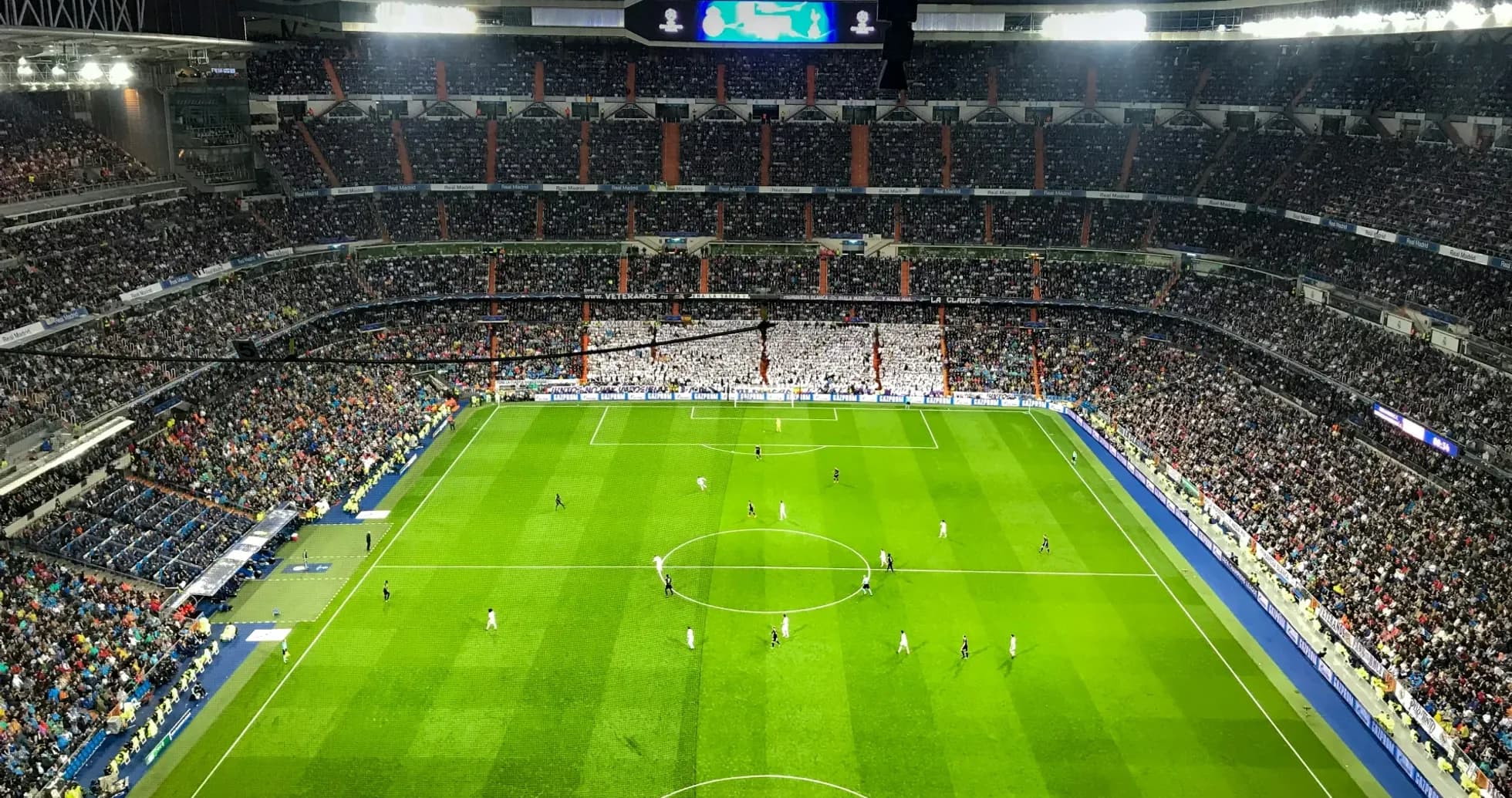
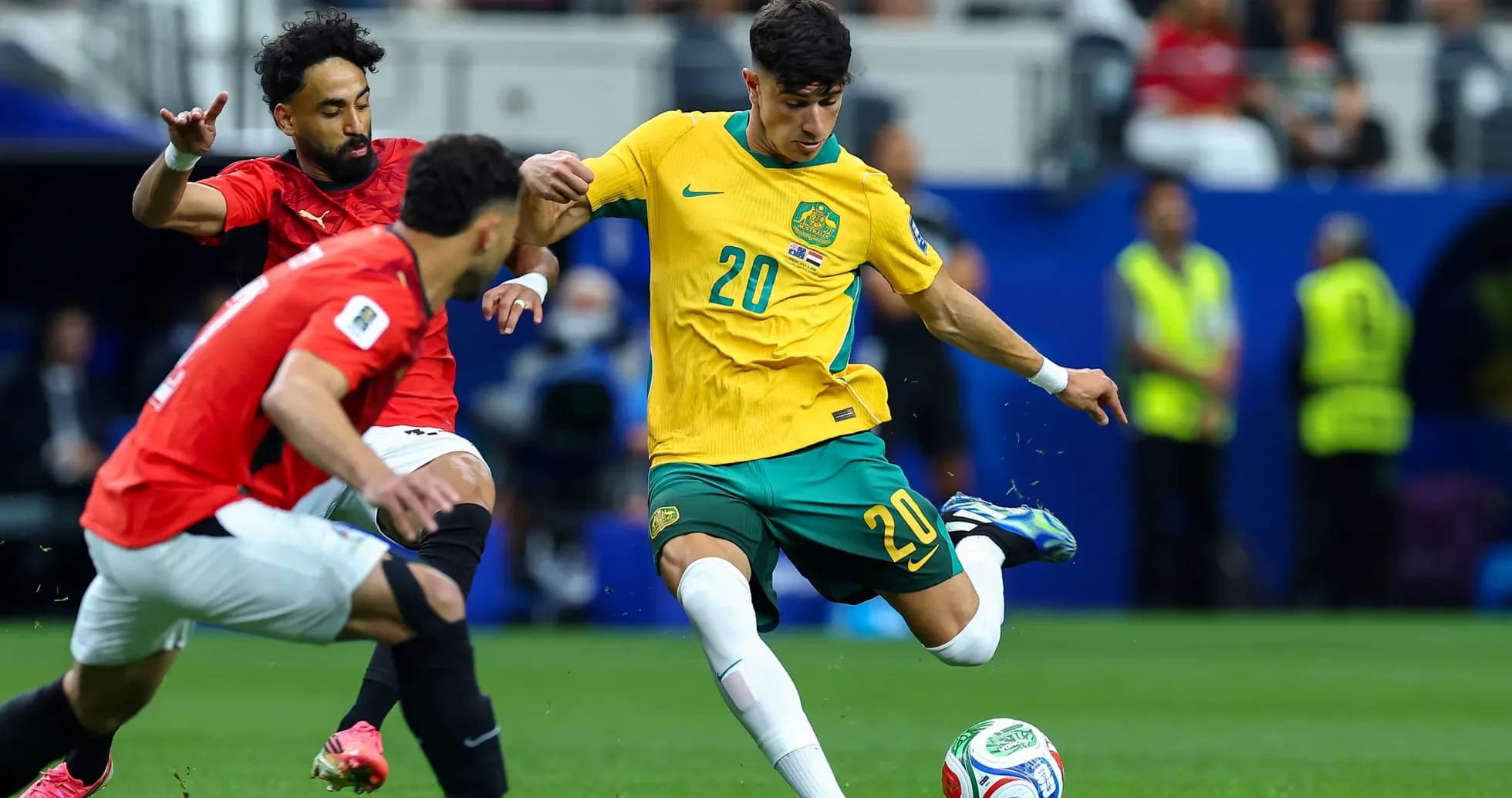
Under the vast roof of AT&T Stadium in Dallas, Australia and Egypt dragged each other through 120 minutes of World Cup tension before Egypt finally edged the Round of 32 tie 4–2 on penalties, after a 1–1 draw. It was a contest that mirrored their group-stage identities: Australia stubborn and structured, Egypt more fluid and insistent, and in the end just a shade more ruthless from the spot.
I. The Big Picture – Two Identities Collide
Heading into this game, Australia arrived as Group D’s second-placed side, with 4 points from 3 matches and a goal difference of 0 (2 scored, 2 conceded). Their tournament had been defined by balance and narrow margins: in total this campaign they had played 4 matches, winning 1, drawing 2 and losing 1. At home in this World Cup (neutral venues but designated as “home”), they had played 2, winning 1 and drawing 1, scoring 3 and conceding 1. On their travels they had played 2, without a win, scoring 0 and conceding 2. The contrast was stark: at home they averaged 1.5 goals for and 0.5 against, away that dropped to 0.0 for and 1.0 against, with an overall average of 0.8 scored and 0.8 conceded per match.
Egypt, Group G’s second-placed side with 5 points and a goal difference of 2 (5 scored, 3 conceded), brought a different rhythm. In total this campaign they had also played 4 matches, but remained unbeaten: 1 win and 3 draws. At home they had played 1, drawing it 1–1. On their travels they had played 3, winning 1 and drawing 2. In total, Egypt’s attack had been more productive than Australia’s: 6 goals overall, with 1 at home and 5 away. That translated to an overall average of 1.5 goals scored per game, 1.0 at home and 1.7 on their travels. Defensively, they conceded 4 in total, split evenly between home and away, for an average of 1.0 goals against in every dimension.
The tactical stage was therefore clear: Australia’s controlled, lower-scoring profile against an Egyptian side that accepted more chaos in exchange for offensive output.
II. Tactical Voids – Who Was Missing, and What It Meant
Both coaches had to navigate significant absences that subtly reshaped the tie.
For Australia, M. Leckie and J. Italiano were ruled out, stripping Tony Popovic of experience and an extra option in wide and build-up phases. It forced a commitment to the 3-4-2-1 that had already been used twice this tournament, with P. Beach in goal behind a back three of A. Circati, H. Souttar and L. Herrington. The wing lanes belonged to J. Bos and A. Behich, while J. Irvine and A. O’Neill formed the central hinge. Ahead of them, C. Volpato and C. Metcalfe supported the direct running of N. Irankunda.
On Egypt’s side, the absences were even more structurally disruptive. Hossam Abdelmaguid was suspended through a sports court decision, while Hamdi Fathy, Mohanad Lasheen, Ahmed Abou El Fotouh and Mohamed Abdelmonem were all unavailable through various injuries or suspension. Lasheen’s suspension in particular removed a key ball-winner and organiser in midfield, and Abdelmonem’s absence weakened central defensive depth. Hossam Hassan responded by rolling out a 4-4-2: O. Shobeir in goal, a back four of M. Hany, Y. Ibrahim, R. Rabia and K. Hafez, with a midfield line of E. Ashour, the absent-on-paper but listed H. Fathy, M. Attia and O. Marmoush behind the forward pairing of M. Salah and M. Ziko.
Disciplinary tendencies also framed the risk profile. Australia’s yellow-card distribution in total this campaign was heavily back-loaded: 40.00% of their cautions came between 76–90 minutes, with 20.00% in each of the 16–30, 31–45 and 46–60 windows. Egypt, by contrast, spread their bookings more evenly but still with clear spikes: 25.00% of their yellows arrived in each of the 16–30, 31–45 and 91–105 ranges, with 12.50% in both 0–15 and 106–120. Neither side had seen a red card in the tournament.
III. Key Matchups – Hunter vs Shield, Engine Room vs Enforcer
The headline duel was always going to orbit Mohamed Salah. As one of the tournament’s leading creators, he came into the knockout phase with 4 appearances, 338 minutes, and a rating of 7.25. His statistical profile was that of a complete attacking leader: 1 goal, 2 assists, 6 shots with 4 on target, 113 passes with 16 key passes, and 13 dribble attempts with 6 successes. He drew 9 fouls and committed only 3, constantly tilting the pitch in Egypt’s favour.
Against him stood Australia’s collective defensive structure and, in particular, the aerial and positional presence of H. Souttar and the mobility of A. Circati. With Australia conceding just 3 goals in total this campaign, and only 1 at home, their overall defensive average of 0.8 goals against per match underlined the scale of Salah’s challenge. The “hunter vs shield” narrative played out with Egypt probing for space between the lines while Australia’s back three tried to compress the central lanes and funnel Salah wide, where J. Bos and A. Behich could double up.
In Egypt’s back line, Yasser Ibrahim was a quiet but crucial figure. Over the tournament he had made 3 successful blocks and 7 tackles, with 2 interceptions, and passed with 91% accuracy from 236 total passes. His disciplinary edge was visible too: 2 yellow cards from 5 fouls committed. His battle with N. Irankunda’s direct running and the late-arriving threat of Metcalfe and Volpato was central to Egypt’s ability to keep Australia’s home scoring average (1.5 goals per match) from tilting the tie.
The engine room duel was more subtle. Australia’s central pairing of J. Irvine and A. O’Neill had to manage transitions against Egypt’s mix of M. Attia and E. Ashour, while Marmoush drifted inside from the flank. With Egypt yet to keep a clean sheet in total this campaign, but also yet to fail to score, the midfield battle was always about who could better protect their back line while still releasing their forwards quickly.
IV. Statistical Prognosis and Penalty Destiny
From a statistical lens, Egypt entered the tie with the more expansive offensive profile: in total this campaign, 6 goals scored at an average of 1.5 per match versus Australia’s 3 at 0.8. Defensively, Australia’s record was marginally tighter (3 conceded at 0.8 per match) compared to Egypt’s 4 conceded at 1.0 per match. Neither side had taken a penalty in the tournament before this shootout; both had 0 total penalties, 0 scored and 0 missed, so there was no prior edge from the spot.
The late-card patterns hinted at how the match would stretch. Australia’s tendency to collect 40.00% of their yellows in the 76–90 window suggested that as legs tired and spaces opened, their defensive aggression increased. Egypt’s spikes in the 91–105 and 106–120 ranges (25.00% and 12.50% respectively) pointed to a team willing to push the line in extra time to break rhythm or halt counters.
In the end, the numbers foretold a tight, marginal contest decided by small details rather than a flood of chances. Australia’s defensive solidity and home scoring profile kept them competitive through 120 minutes, but Egypt’s higher overall attacking average and the individual quality of Salah and his supporting cast gave them the slight edge once the game moved to the purest high-pressure scenario: the penalty shootout.
Following this result, the story of Dallas becomes one of fine margins. Australia depart having stayed true to their identity: compact, disciplined, and hard to beat. Egypt advance with their unbeaten record intact, their attacking numbers validated, and their talismanic creator still central to everything. The Round of 32 has done its job: it has distilled two contrasting footballing identities into a single, nerve-shredding night decided from twelve yards.