England, Croatia, Ghana, Panama: Group of Dreams or Trap for Giants?
England arrive with the weight of history on their shoulders and a very modern solution in the dugout. Thomas Tuchel, a Champions League winner and a coach obsessed with detail, has been hired for one job only: turn near-misses into a second World Cup.
The foundations are strong. This is England’s 17th appearance on the biggest stage, and the echoes of 1966 still shape every conversation. Under Gareth Southgate the trajectory was upward – semi-finals, a final, a sense that the team finally belonged among the elite. But also a nagging feeling they sometimes played within themselves.
Tuchel changes that equation. His England should be more assertive, less inhibited, and far less willing to die wondering. Declan Rice embodies the balance at the heart of this side – a midfielder who shields, builds, and drives in equal measure. Around him, the squad is deep, athletic and technically polished. The danger is not talent. It’s timidity. If they retreat into caution, they will waste the very edge their new manager is meant to provide.
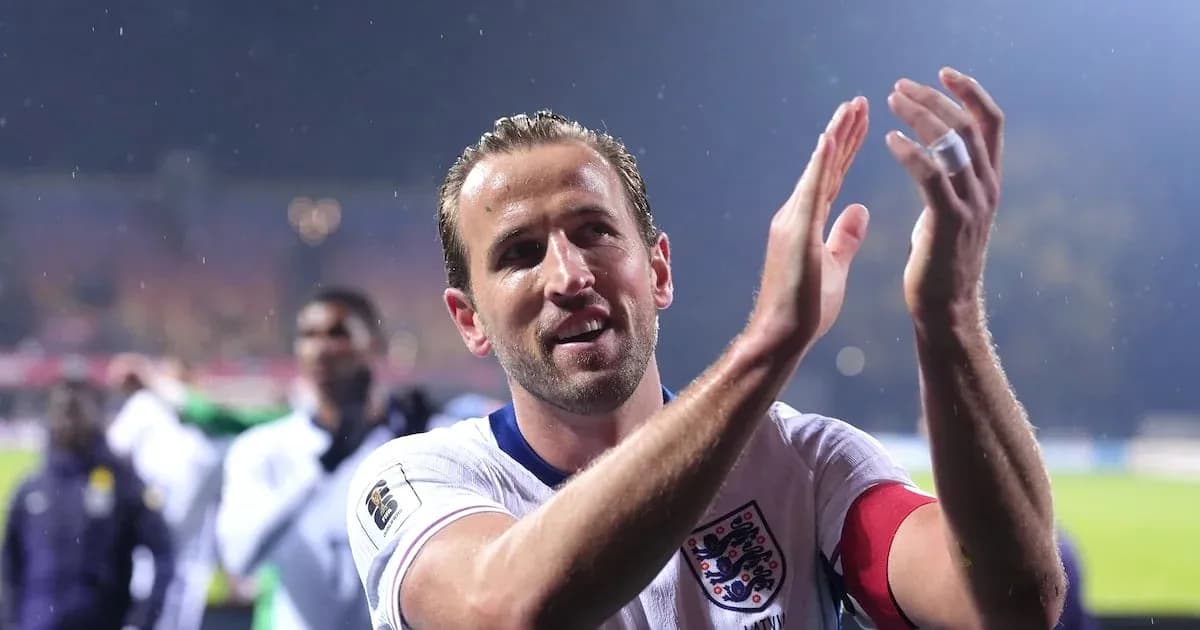
At the sharp end stands Harry Kane, the undisputed reference point. England’s record scorer, eight World Cup goals already, and fresh from a season in which he has looked every inch the most complete striker in world football. At Bayern Munich he has married relentless finishing with his usual creative drop-offs. For England, that blend of goals and orchestration remains their clearest route to glory.
Croatia: The Old Masters Go Again
Across from them, Croatia return with a familiar face in the technical area and a timeless one in midfield. Zlatko Dalić and Luka Modrić are back for another run, stubbornly refusing to accept the idea that their story should already have ended.
This is Croatia’s seventh World Cup, and the last two have been extraordinary: a final in 2018, a semi-final four years later, both achieved by outthinking and outlasting supposedly stronger nations. To repeat that again would be a seismic shock. Key players are older, the legs a little heavier, the margins thinner.
But Croatia still have something few teams can match – a slow, suffocating, possession game that grinds opponents down. In the heat, that methodical control could again become a weapon. They don’t chase chaos. They invite you into a game played at their tempo, on their terms.
If Modrić remains the brain, Joško Gvardiol is the steel. Outstanding at the last World Cup, the Manchester City defender has grown into one of the most complete centre-backs in the game. His return from a broken shin comes with risk, but also with enormous upside. When he locks in, Croatia gain not just a stopper but a playmaker from the back, capable of stepping out and breaking lines.
Ghana: Talent, Tension, and a Tactical Tightrope
Ghana arrive as a puzzle that no one, so far, has solved. The talent is there. The cohesion is not. A run of five straight friendly defeats told its own story, only briefly halted by a draw with Wales that stopped the bleeding but did not cure the illness.
To change the mood, the federation turned to Carlos Queiroz, a veteran of international football and a coach who builds from the back. His teams are rarely reckless. They are drilled, compact, and hard to break down. Ghana’s attacking instincts may have to live within that framework, whether they like it or not.
The timing of Mohammed Kudus’s injury could hardly be worse. Without him, Ghana lose a key source of invention between the lines, a player who can turn tight games with a touch or a feint. That absence throws even more weight onto Antoine Semenyo.
Semenyo has just delivered a statement season for Manchester City: 17 goals in the Premier League, the winner in the FA Cup final, a forward who suddenly looks at home in the most demanding club environment. Yet for Ghana, the numbers are stark – three goals in 34 appearances. The gap between his club form and his national-team output is impossible to ignore. If he can finally translate one into the other, Ghana’s ceiling rises sharply. If not, Queiroz’s side may find themselves defending bravely without the spark to tilt tight matches.
Panama: Scar Tissue and a Simple Target
Panama know exactly how cruel this stage can be. Their only previous World Cup, in 2018, included a 6-1 dismantling by England, with Kane helping himself to a brace and the gulf in class laid bare. That kind of defeat leaves a mark.
This time, the ambition is more modest and more realistic. Under Thomas Christiansen, Panama have pieced together a run of respectable results, enough to push them up to 33rd in the Fifa rankings and earn a little more respect. Then came a 6-2 friendly defeat to Brazil – a sharp reminder of what happens when concentration dips against the elite.
So the target is clear: a first World Cup point. One draw, one night where they refuse to fold, would count as a landmark. For a nation still learning what it takes to live at this altitude, that would not be a footnote. It would be a foundation.
And in a group where giants chase redemption and old warriors cling to one last charge, who’s to say that one point won’t end up deciding whose story keeps going?