England Players Question Thomas Tuchel’s Tactics in World Cup Defeat
England players questioned Thomas Tuchel’s late-game tactics in their World Cup semi-final defeat to Argentina, with several senior figures left baffled by the head coach’s defensive substitutions as the game slipped away.
A Lead, Then A Retreat
For 55 minutes, England had the night exactly where they wanted it. Morgan Rogers burned down the right, picked his moment and found Anthony Gordon arriving from the left. One clean finish, one 1-0 lead, and a familiar vulnerability in Argentina’s full-backs ruthlessly exposed.
It was the kind of move England had built their tournament around: pace out wide, direct running, pressure on suspect defenders. Argentina looked rattled. The spaces were there.
Then the game changed – not with a moment of Argentine genius, but with a decision on the England bench.
Seventeen minutes after Gordon’s opener, with Argentina pushing and England sinking ever deeper, Tuchel made his first big call. Gordon came off. Ezri Konsa came on. The shape flipped to a back five with more than half an hour still to navigate.
Inside the dressing room, that was the moment some players stopped understanding the plan.
Six Defenders, No Escape
The pressure grew. Lionel Messi drifted, probed, dragged England’s back line around. Argentina’s wide players pushed high, crosses began to rain in, and England’s response was to double down on defence.
On 72 minutes, Tuchel went again. Declan Rice, who had been managing illness and fitness problems all tournament, was replaced by Nico O’Reilly. On paper, fresh legs in midfield. In reality, as one England player saw it, another defender in all but name.
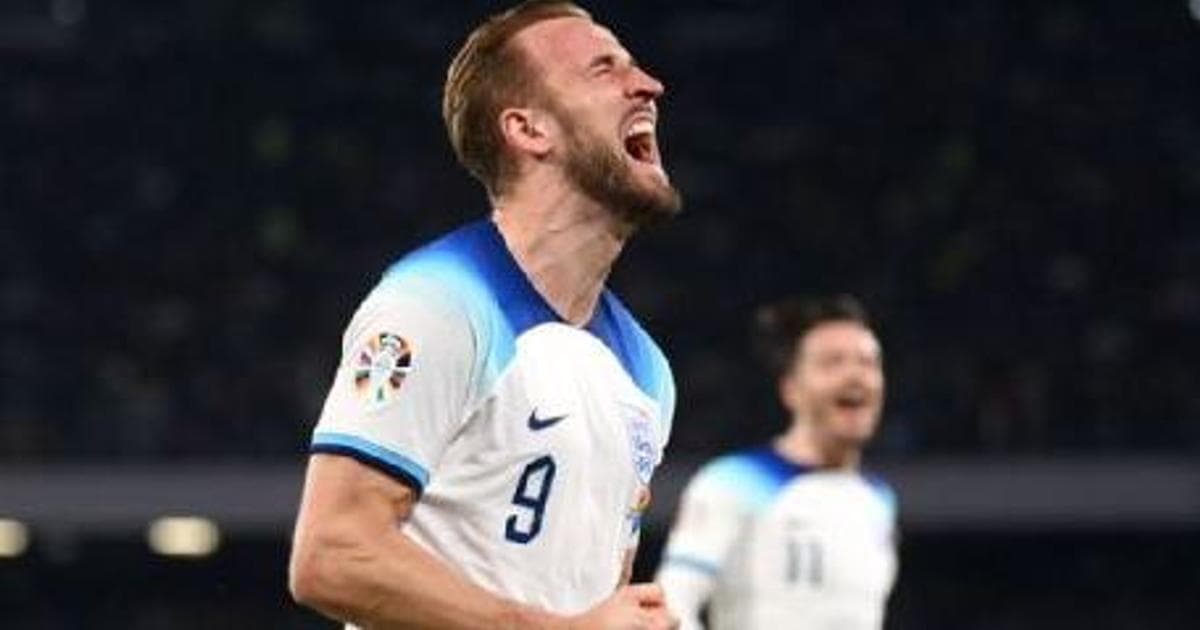
By then, England had six defenders on the pitch, four of them centre-backs. Harry Kane dropped deeper and deeper, almost as an auxiliary holding midfielder, trying to stem the waves of blue and white attacks rather than lead any of his own.
Inside the camp, those uneasy with the approach felt the side had been stripped of its escape routes. No out-ball. No one to hold it up. No runner to carry it down the flanks and turn Argentina around. The very weapons England had highlighted as crucial against Argentina’s full-backs were left unused.
The numbers told the story. Between Gordon’s goal and Lautaro Martínez’s stoppage-time winner, England had just 12 per cent of the ball. A semi-final slipping away, one clearance at a time.
Wingers Left Waiting
The frustration for some players was not just about the system, but about who stayed seated.
Noni Madueke, Bukayo Saka, Eberechi Eze – all suited, all ready, all unused as the game tilted towards Argentina. Marcus Rashford did appear, but only in the 96th minute, with England already 2-1 down after Enzo Fernández and Martínez had turned the tie on its head.
This was a tournament in which England had built their attacking identity on pace and width. They had specifically targeted Argentina’s full-backs as a weakness. Rogers to Gordon for the opener was the blueprint in motion.
Yet as the pressure mounted, the plan shifted from exploiting those frailties to surviving them. Some players believed that change of emphasis invited Argentina on and left England’s defence under relentless, suffocating strain.
Tuchel Stands Firm
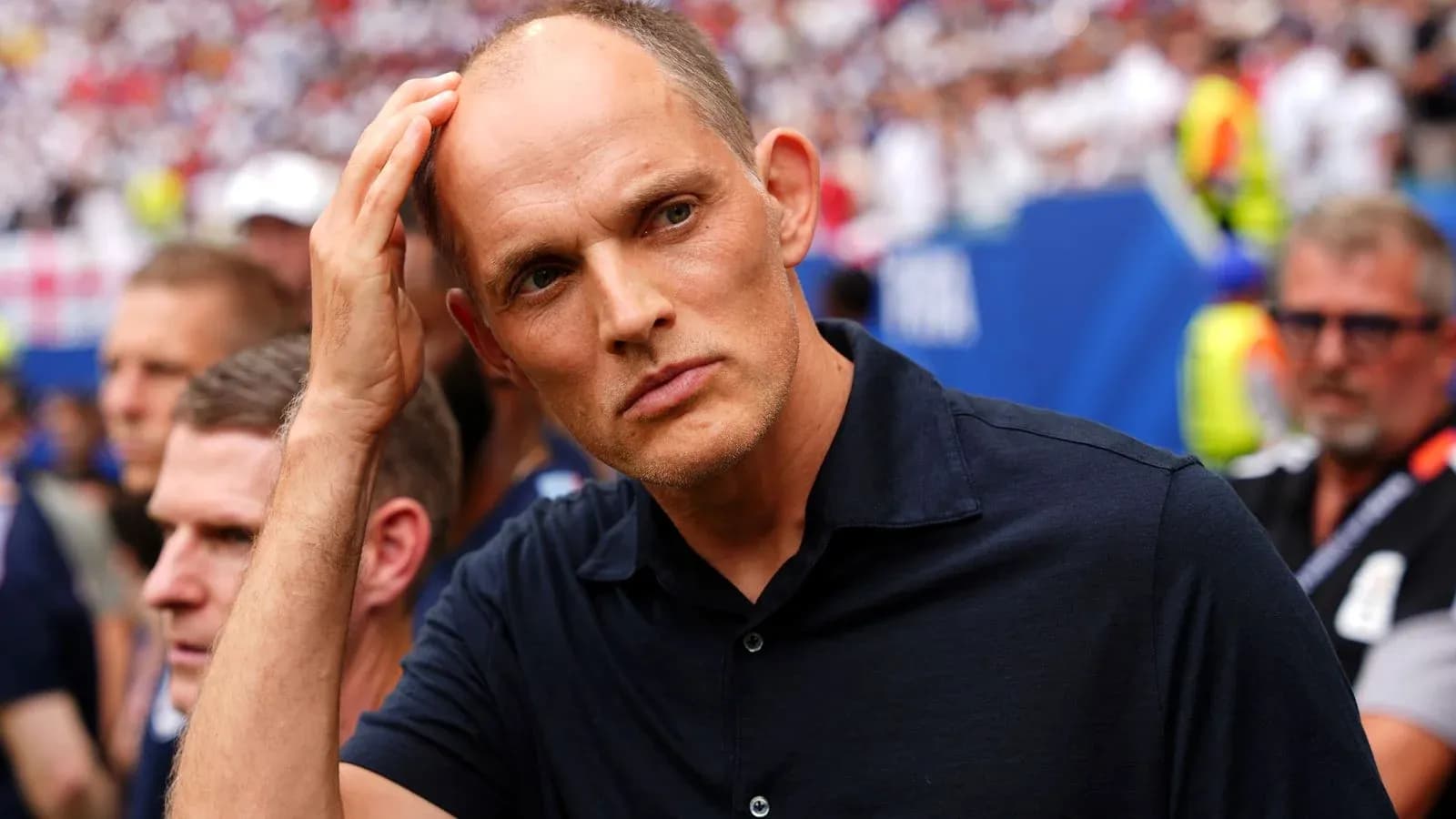
Tuchel, speaking after the defeat, saw the night very differently.
He admitted he had not yet gone back over the game in detail but was clear on one point: in his view, the issue lay not with his tactics but with a broader flaw in English football. Under intense pressure, he argued, English players struggle to keep the ball in the way their Spanish, Argentinian or Brazilian counterparts do.
His decision to move to a back five, he insisted, was calculated. Argentina had introduced Nico González on the left and shifted Messi to the right in an aggressive 4-2-4. Tuchel wanted to choke off the stream of crosses, compress the space and hold the box.
From the dugout, it was a structural solution to an oncoming storm. On the pitch, some of his players felt it removed the very tools they needed to relieve that storm.
Those inside the squad who disagreed with the approach believed the substitutions were too negative, that they pinned England back, reduced their ability to keep the ball and turned the final half-hour into a siege.
How those same players will respond to Tuchel’s pointed remarks about English “DNA” in possession remains to be seen. For now, there is curiosity, and perhaps a little quiet irritation, rather than open revolt.
Unity Tested, Not Broken
Despite the tactical misgivings, there is no suggestion of a fractured dressing room. Tuchel remains, by all accounts, a popular and commanding figure. Players respect his record, his clarity, his intensity. Disagreement over a game plan is not the same as a mutiny.
The FA hierarchy continue to back him fully. There is no appetite for upheaval. Tuchel himself has been unequivocal: he is “100 per cent” committed to leading England into Euro 2028, when the country will share hosting duties with Scotland, Wales and the Republic of Ireland.
That tournament now looms as more than just another shot at silverware. It offers a test of Tuchel’s conviction that English football must evolve with the ball under pressure – and of whether this group of players will buy into his vision after a night when many of them felt the tactics dragged them away from their strengths, and ultimately, away from a World Cup final.