Everton Triumphs Over Fulham in Tactical Clash
Fulham edged possession with 55% and completed more passes (483 to 392 at 87% vs 85%), reflecting Marco Silva’s intention to build through their 4-2-3-1 and keep Everton pinned back. Everton, with 45% of the ball, accepted longer phases without possession but stayed compact, looking to spring attacks once they recovered it. The xG numbers – 1.97 for Fulham and 1.88 for Everton – show a broadly even game in chance quality despite Fulham’s territorial edge, underlining that Everton’s plan was not to dominate the ball but to make their phases count.
Offensive Efficiency
Fulham’s approach was to progress methodically and attack the box: 11 of their 13 shots came from inside the area, backed by 6 corners, suggesting sustained pressure rather than speculative shooting. However, only 3 of those 13 efforts were on target, pointing to a lack of cutting edge despite decent xG (1.97). Their “sterile domination” is reflected in the combination of higher possession and fewer total shots than Everton (13 vs 16).
Everton were more direct once they broke Fulham’s structure. They attempted 16 shots, with a similar 3 on target but more volume overall and a near-identical xG of 1.88. That balance – slightly more shots from both inside (12) and outside the box (4) – indicates they were able to reach good areas in transition as well as take opportunities from range when Fulham’s block was set. Both sides had 6 corners, reinforcing that this was not a one-sided siege but a relatively even chance-trading game where Everton’s more vertical use of possession ultimately produced the more decisive moments.
Defensive Discipline & Intensity
The match had a competitive, disruptive edge without boiling over. Fulham committed 11 fouls and received 1 yellow card, while Everton made 12 fouls and picked up 5 yellows, showing a more aggressive, risk-accepting defensive strategy. Multiple Everton bookings for fouls and a late card for time-wasting highlight how they increasingly focused on protecting their lead in the closing stages.
Goalkeeper involvement was limited but telling. Bernd Leno made 2 saves, Jordan Pickford 3, which, given the combined 29 shots, shows that many attempts were either blocked (2 Fulham, 3 Everton) or off target. That points to both defensive lines doing significant work in front of their keepers. Everton’s ability to maintain compactness, even under longer spells without the ball, was crucial in restricting Fulham to few clear on-target looks despite the higher xG.
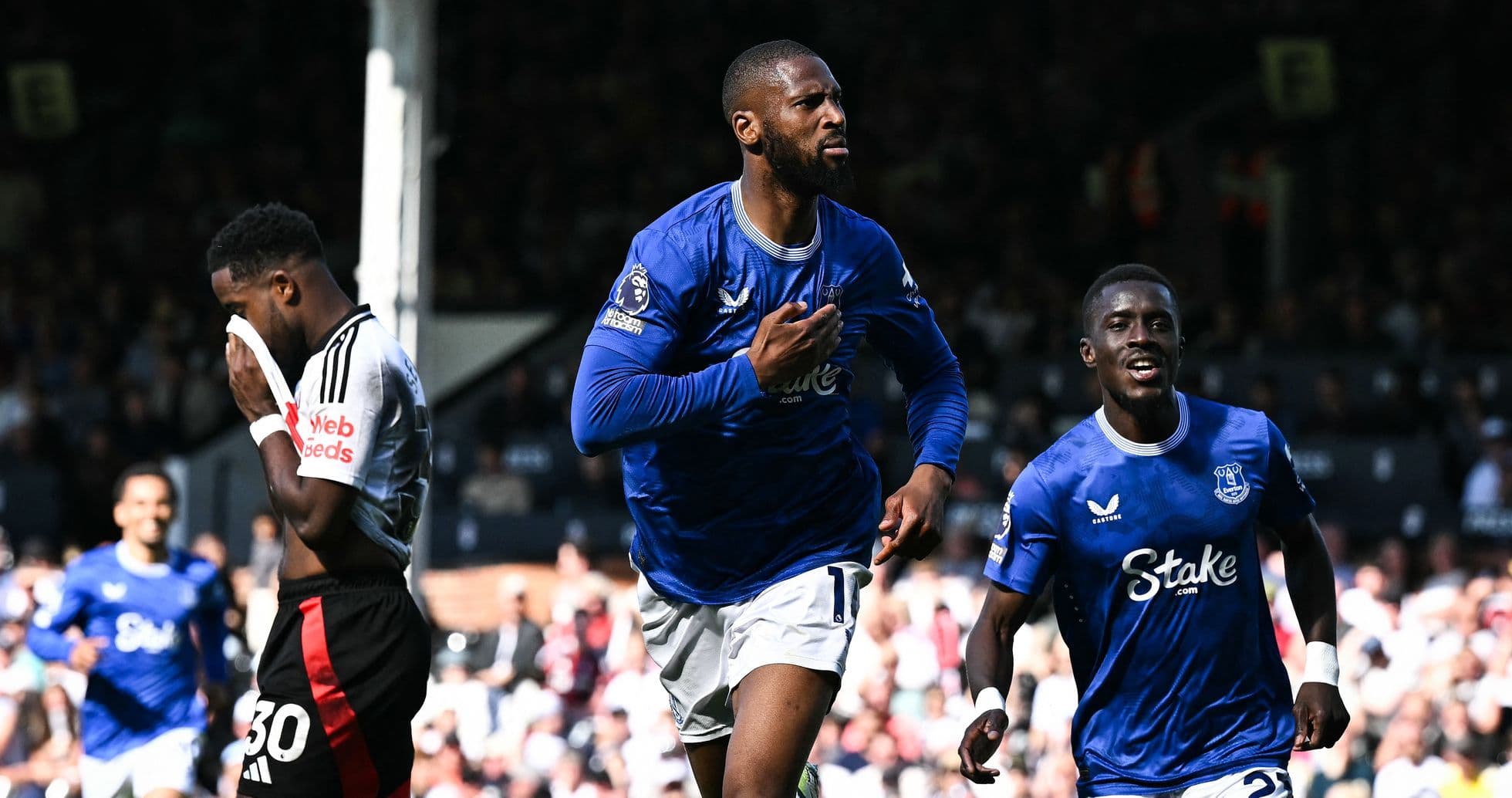
Everton’s compact block and more purposeful use of their 45% possession, turning 16 shots and 1.88 xG into a 2–1 win, trumped Fulham’s higher volume of passes and 55% possession. Fulham controlled the ball; Everton controlled the key moments.