Fenerbahçe vs AS Roma: Champions League Opener Ends in Draw
Under the lights of Chobani Stadium Fenerbahce Sukru Saracoglu, this League Stage opener in the UEFA Champions League brought together two sides at very different stages of their European stories. Fenerbahçe arrived as an in-form, battle-hardened unit with six continental games already behind them this season; AS Roma stepped in as a tactical unknown at this level in 2026, their statistical slate still clean but their identity unmistakably Gasperini’s.
Heading into this game, Fenerbahçe’s seasonal DNA was clear. Across all venues they had played 6 matches, winning 4 and drawing 2, with no defeats. They had scored 8 goals in total, an average of 1.3 both at home and on their travels, while conceding only 3 overall, at 0.3 at home and 0.7 away. The overall goal difference stood at +5, a platform built on control rather than chaos. Two home clean sheets and one away shutout underlined a side comfortable managing leads, and their perfect penalty record in total — 2 scored from 2 — hinted at composure in decisive moments.
Yet this match finished 1–1, a reminder that in the Champions League, even strong habits are tested.
I. The Big Picture – Shapes and Intent
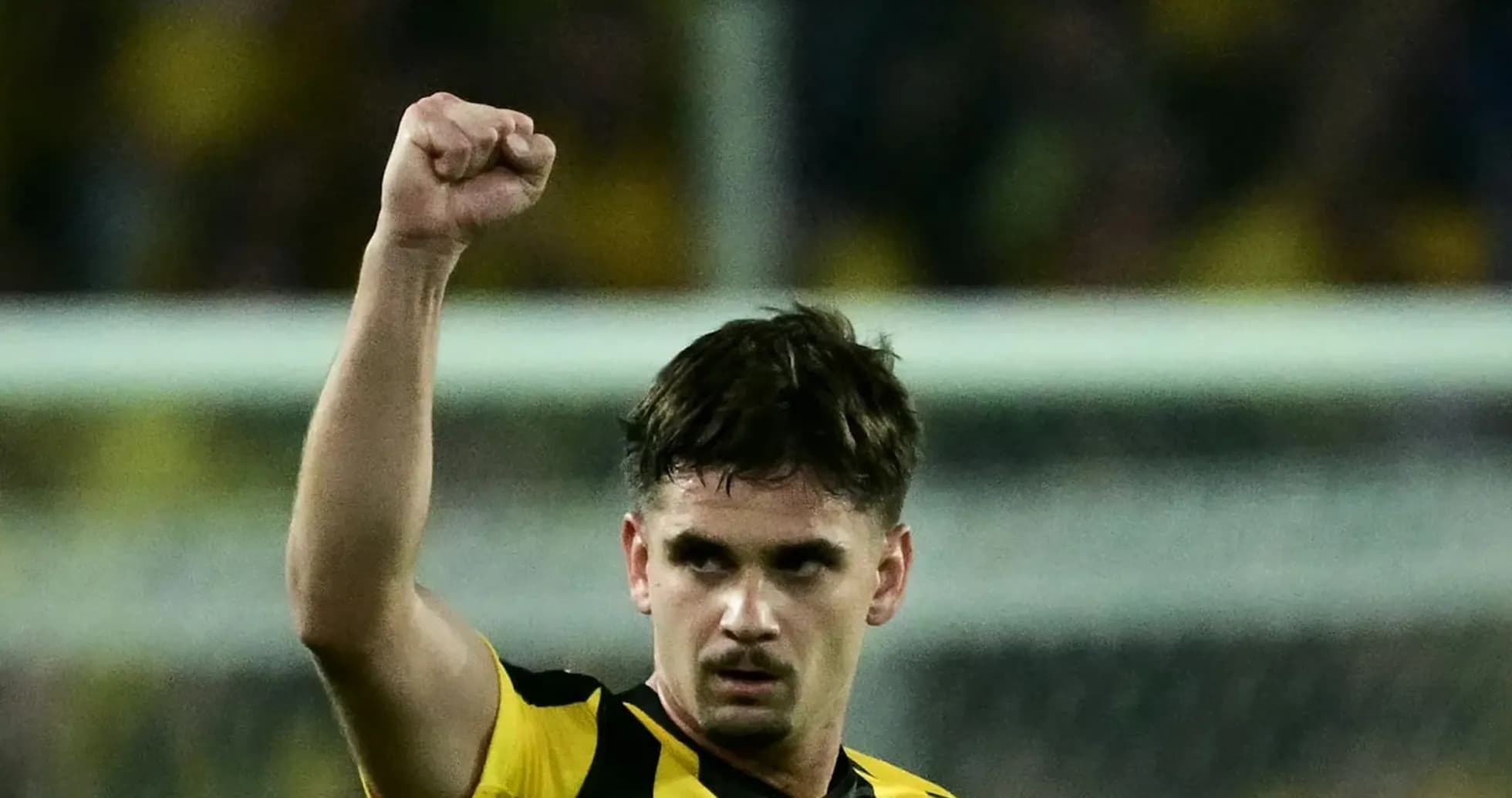
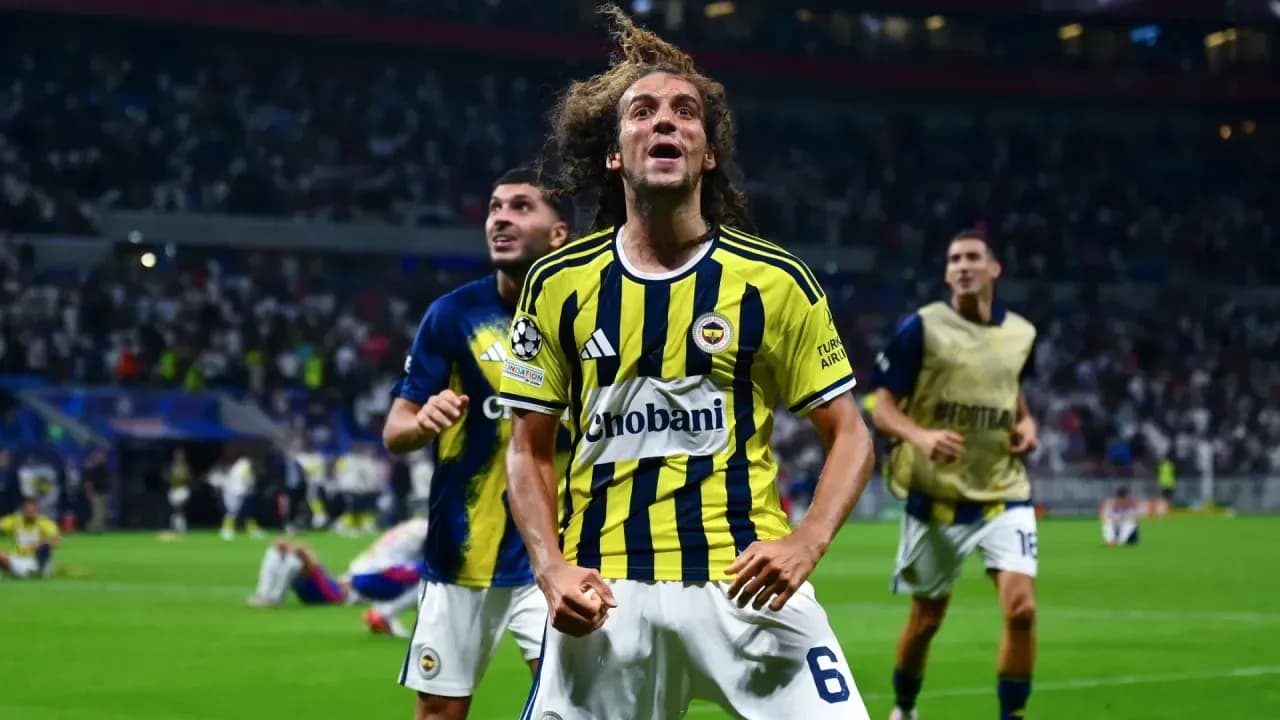
Fenerbahçe, listed in the season’s data as predominantly a 4-2-3-1 side, set up here in a 4-3-3 under İ. Kartal, a subtle but telling shift. Ederson anchored the back, shielded by a back four of M. Müldür, M. Škriniar, N. Aké and A. Brown. In front of them, N. Kanté, İ. Yüksek and B. Elmaz formed a hard-running midfield trio, a blend of screening, recycling and vertical support. Ahead, a fluid front three of M. Greenwood, V. Muriqi and K. Aktürkoğlu promised width, direct running and penalty-box presence.
Roma, by contrast, leaned fully into G. Gasperini’s three-at-the-back gospel with a 3-4-2-1. M. Svilar stood behind a defensive trio of G. Mancini, E. Ndicka and Hermoso. The wing lanes belonged to D. Rensch and Wesley, with B. Cristante and M. Koné patrolling the central corridor. Between the lines, P. Dybala and M. Soulé operated as dual creators behind lone forward D. Malen.
The shapes told the story before a ball was kicked: Fenerbahçe aiming to stretch Roma horizontally with their front three, Roma looking to overload central zones with their box midfield and half-spaces artisans.
II. Tactical Voids – Absences and Discipline
For Fenerbahçe, the list of absentees was long and structurally significant. M. Asensio (muscle injury) removed a high-end creative and shooting threat from the right or central channels. J. Oosterwolde’s Achilles tendon injury stripped Kartal of a dynamic left-sided defender who could have matched Roma’s wingbacks stride for stride. M. Guendouzi’s suspension for a red card closed off a combative, progressive option in midfield, forcing more responsibility onto İ. Yüksek and B. Elmaz in linking phases. Rodrigo Becao and M. Yandas, both off the roster, further narrowed rotation options in defence and midfield, while A. Diouf and A. Fall were similarly unavailable.
Roma’s own absences were more concentrated but no less impactful. L. Pellegrini, sidelined with a thigh injury, deprived Gasperini of his most natural bridge between midfield and attack, a player tailor-made for the Dybala–Soulé zone. M. Bah’s knee injury removed depth and energy, particularly useful in a system that demands relentless running from its wide and hybrid players.
Disciplinary trends also coloured the picture. Fenerbahçe’s season yellow-card distribution showed a clear late-game edge: 30.77% of their cautions between 31–45 minutes, another 30.77% from 76–90, and a striking 38.46% in the 91–105 window. This is a side that plays on the edge as fatigue and game-state pressure rise, especially in closing phases. Roma, with no recorded card data yet, arrived as a blank slate, but Gasperini teams are rarely passive.
III. Key Matchups – Hunter vs Shield, Engine Room
The most intriguing offensive weapon in Fenerbahçe’s broader European campaign is Talisca. Across the season he has 4 goals in total from 6 appearances, with 23 shots and 13 on target. He has also won 1 penalty and converted 2, without a miss, underscoring his status as a high-volume, high-leverage finisher. Even though he was not in this matchday squad, his shadow still shapes how opponents prepare for Fenerbahçe: their entire attacking scheme is conditioned by the knowledge that this is a side capable of feeding a primary scorer.
In his absence, the “hunter” mantle shifted toward M. Greenwood and V. Muriqi. Greenwood’s season numbers — 2 goals and 1 assist in total, from 6 appearances, with 8 shots and 5 on target — mark him as a secondary but efficient threat. His 6 key passes and 9 dribble attempts speak to a player comfortable receiving wide, cutting in, and combining. K. Aktürkoğlu, meanwhile, is the creative metronome: 2 assists in total, 12 key passes and 6 shots all on target, a player who turns possession into penetration.
Opposite them stood Roma’s “shield” — a back three of Mancini, Ndicka and Hermoso, protected by the work of Cristante and Koné. With Roma having conceded 0 goals in total this Champions League campaign prior to this fixture (having played no matches yet), the statistical sample was empty, but the structural intent was clear: compress the central lane where Muriqi wants to occupy defenders, and force Greenwood and Aktürkoğlu into wider, less dangerous crossing zones rather than inside-combination pockets.
In the engine room, N. Kanté versus the Dybala–Soulé axis was the defining duel. Kanté’s role was to patrol the half-spaces, close passing lanes into Roma’s two creators, and give Škriniar and Aké the freedom to hold a relatively high line without being constantly dragged into midfield. If Dybala and Soulé could receive between Fenerbahçe’s midfield and defence, Malen’s runs would become the knife to their scalpel. Roma’s wingbacks, Rensch and Wesley, also had to test Fenerbahçe’s fullbacks: pinning M. Müldür and A. Brown deep would limit the home side’s ability to build wide overloads for Greenwood and Aktürkoğlu.
IV. Statistical Prognosis – Margins and Meanings
From a purely statistical lens, Fenerbahçe entered this match as the more coherent project. Across all venues they averaged 1.3 goals for and only 0.5 against, with 3 clean sheets and no defeats. Their inability to fail to score — 0 such games in total — suggested a baseline attacking floor that is hard to suppress entirely, even for a well-drilled back three.
Roma, by contrast, stepped into this fixture without any Champions League minutes in 2026. No goals for, no goals against, no established patterns in the data. That made them tactically dangerous but analytically opaque: the xG story was unwritten, leaving only the structural clues of their formation and the known qualities of players like Dybala, Malen and Soulé.
A 1–1 draw as the final score felt like the equilibrium point between those two realities. Fenerbahçe’s systemic solidity and home rhythm met Roma’s compact, three-at-the-back resilience and half-space craft. The home side’s late-game disciplinary spikes hinted at a frantic closing stretch, and Roma’s structure was built to punish transitions, yet neither could find the decisive second goal.
Following this result, both teams leave Istanbul with a sense of unfinished business. Fenerbahçe proved that their unbeaten European form and defensive parsimony translate to the Champions League’s League Stage, but also that without Talisca their attacking ceiling narrows. Roma, for their part, showed that Gasperini’s 3-4-2-1 can travel, but their reliance on Dybala and Soulé for invention, especially without Pellegrini, may limit their ability to turn control into clear chances.
In a competition where xG trends and defensive solidity often decide who survives the grind of the League Stage, this match felt like a cautious opening chapter. Fenerbahçe’s numbers still whisper “contender”; Roma’s structure murmurs “dangerous outsider.” The rest of the campaign will tell which voice grows louder.