Fifa's New Red Card Rules for Mouth-Covering and Walk-Offs
World Cup players who cover their mouths during confrontations on the pitch now risk going straight off it.
In a significant tightening of football’s disciplinary code, Fifa has confirmed that any player who shields their mouth while speaking to an opponent or official at this summer’s World Cup can be shown a red card, at the referee’s discretion. The move is aimed squarely at stamping out hidden racist, homophobic and abusive language.
The change was approved at a special Fifa Council meeting in Vancouver, where two law amendments proposed by Fifa received the green light. Both have been ratified by the International Football Association Board (Ifab) as competition opt-ins, and Fifa has wasted no time in adopting them for its flagship tournament.
Mouth-covering under the microscope
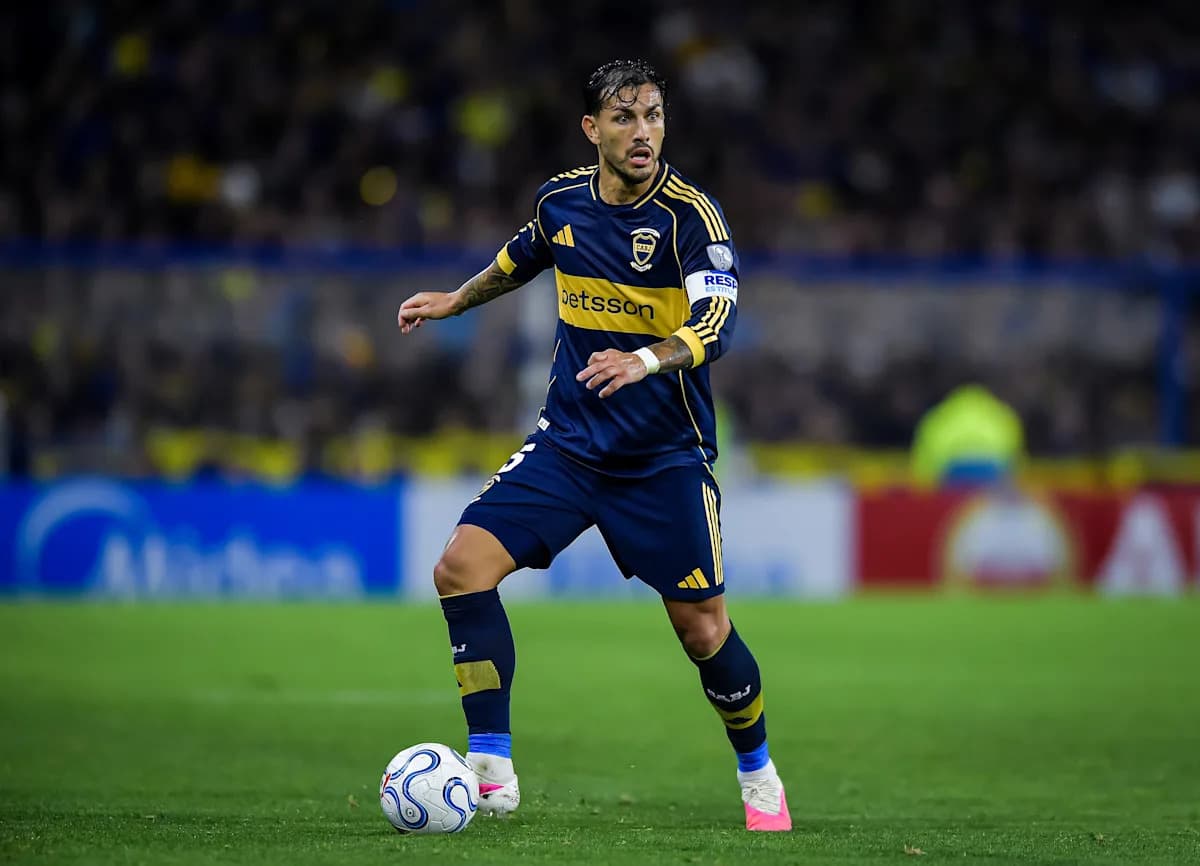
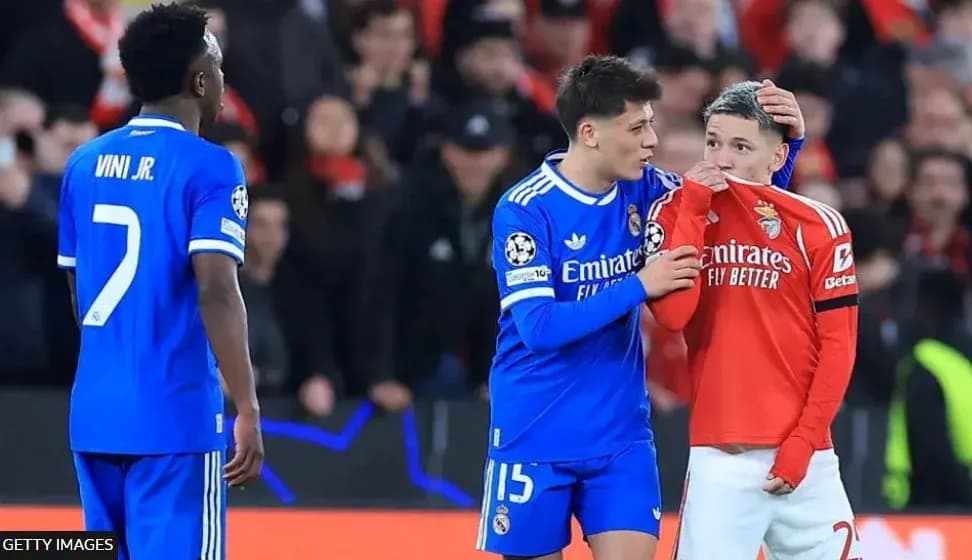
The gesture of covering the mouth, once a minor quirk of modern football’s image-conscious era, has become a flashpoint. It exploded into the spotlight in February when Benfica winger Gianluca Prestianni raised his shirt to obscure his mouth while speaking to Real Madrid’s Vinicius Jr during a Champions League tie.
The Argentina international was initially accused of racist abuse and hit with a provisional one-match ban. After a Uefa investigation, he was found guilty of homophobic conduct and suspended for six matches, three of them suspended. That incident dragged the practice out of the grey area and into the disciplinary debate.
The topic landed on the table at Ifab’s annual general meeting in Wales later that month. From there, it moved onto the agenda for the Fifa Council, where the game’s lawmakers decided the time had come to act.
Under the new guidance, the referee holds absolute discretion. They will be expected to assess the situation, the context, and any surrounding behaviour before deciding whether the act of covering the mouth merits a straight red card. But the direction of travel is clear: secrecy will be treated as suspicion.
Infantino’s hard line
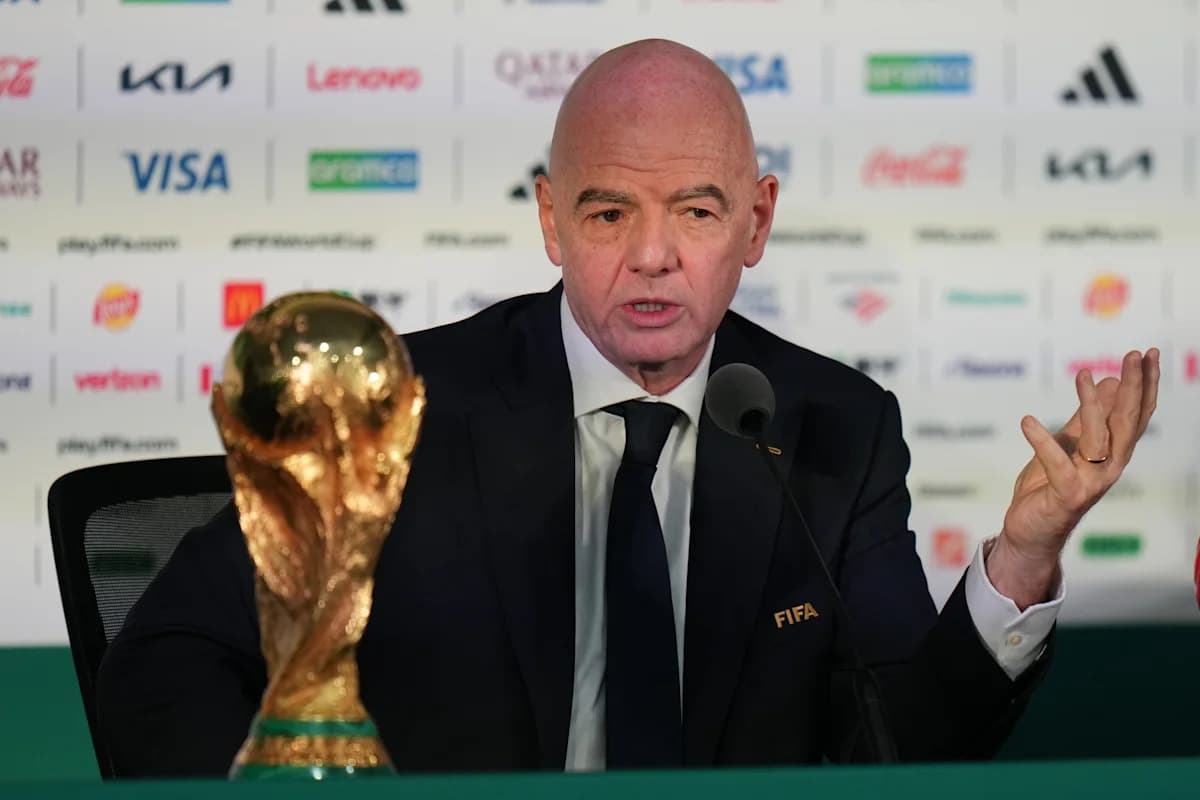
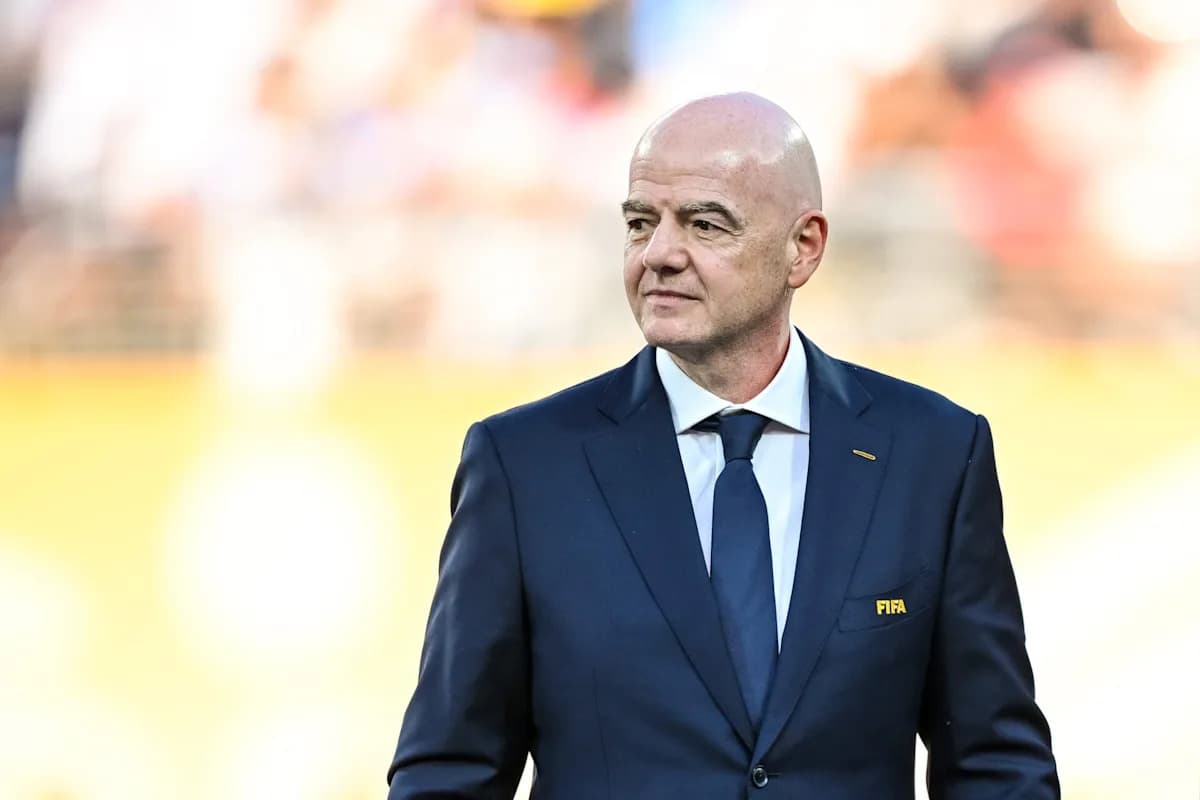
Fifa president Gianni Infantino has pushed for a measure that does more than send a message. He wants it to sting.
He described the change as something designed to have “a deterrent effect” and openly backed red cards for offenders. His stance is blunt: if a player hides their mouth, they invite the presumption that they are hiding something unacceptable.
“If a player covers his mouth and says something, and this has a racist consequence, then he has to be sent off, obviously,” Infantino said. “There must be a presumption that he has said something he shouldn't have said, otherwise he wouldn't have had to cover his mouth.
“If you do not have something to hide, you don't hide your mouth when you say something. That's it, as simple as that.”
In a sport where image, cameras and microphones are everywhere, Fifa has chosen to turn a once-innocuous gesture into a potential flashpoint for dismissal.
Walk-offs now carry a heavy price
The second law change strikes at another growing trend: teams leaving the pitch in protest.
At the recent Africa Cup of Nations final between Morocco and Senegal, the spectacle descended into chaos when the Senegal players walked off in anger at a penalty awarded to Morocco. They headed back to the changing rooms, leaving the showpiece occasion in limbo.
When they finally returned, Brahim Diaz attempted a Panenka from the spot, only to chip the ball tamely into the hands of Edouard Mendy. Senegal recovered, regrouped and went on to win 1-0 on the night.
The fallout, though, was brutal. The Confederation of African Football (Caf) later stripped Senegal of the title and awarded Morocco a 3-0 victory, a stark reminder of who ultimately holds the power in such disputes.
That episode has now helped shape global law. Under the new rule, players who leave the pitch in protest at a referee’s decision can be shown a red card. The clampdown does not stop there: any team official who incites or encourages players to walk off will also be liable for sanction.
A team that causes a match to be abandoned will, in principle, forfeit the game. The message is unmistakable. Disagreement is part of football; deserting the field is not.
A World Cup under stricter orders
Taken together, these changes will give referees unprecedented authority to punish both hidden abuse and open rebellion. They also raise the stakes for players and coaches at a World Cup already played under an intense global spotlight.
Cover your mouth and cross the line with your words, and you could be gone. Lead your team off in protest, and you may lose more than just your temper.