FIFA Increases World Cup Funds and Implements Strict New Rules for 2026
FIFA has opened the taps on World Cup money once again, pushing total distributions for the 2026 tournament close to $900 million while tightening the rulebook in a bid to clamp down on racism and chaotic protests on the pitch.
The governing body confirmed on Tuesday that the pot shared among the 48 finalists in Mexico, Canada and the United States will rise to $871 million. The figure had stood at $727 million when it was first announced in December.
The decision came out of a FIFA Council meeting in Vancouver, two days before the organisation’s Congress convenes in the city. Behind the glossy headline numbers lay a blunt reality: a growing number of member associations warned that spiralling costs around the expanded World Cup risked turning qualification into a financial burden.
- Flights.
- Taxes.
- Logistics in three vast host nations.
Some federations feared they could lose money simply by showing up.
FIFA has moved to head that off. Preparation payments for each qualified team jump from $1.5 million to $2.5 million. The basic payout just for reaching the finals rises from $9 million to $10 million. Delegation support and ticket allocations are also being fattened, an attempt to ease the strain on team budgets and travelling staff.
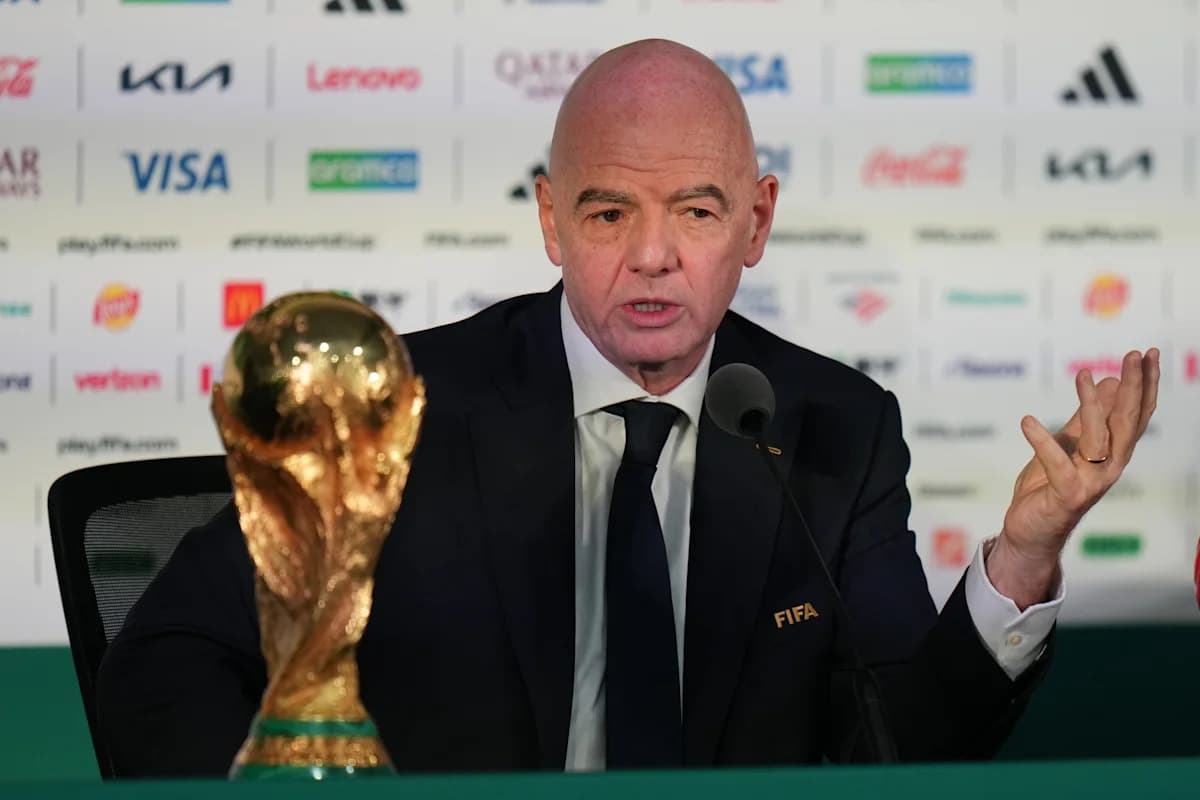
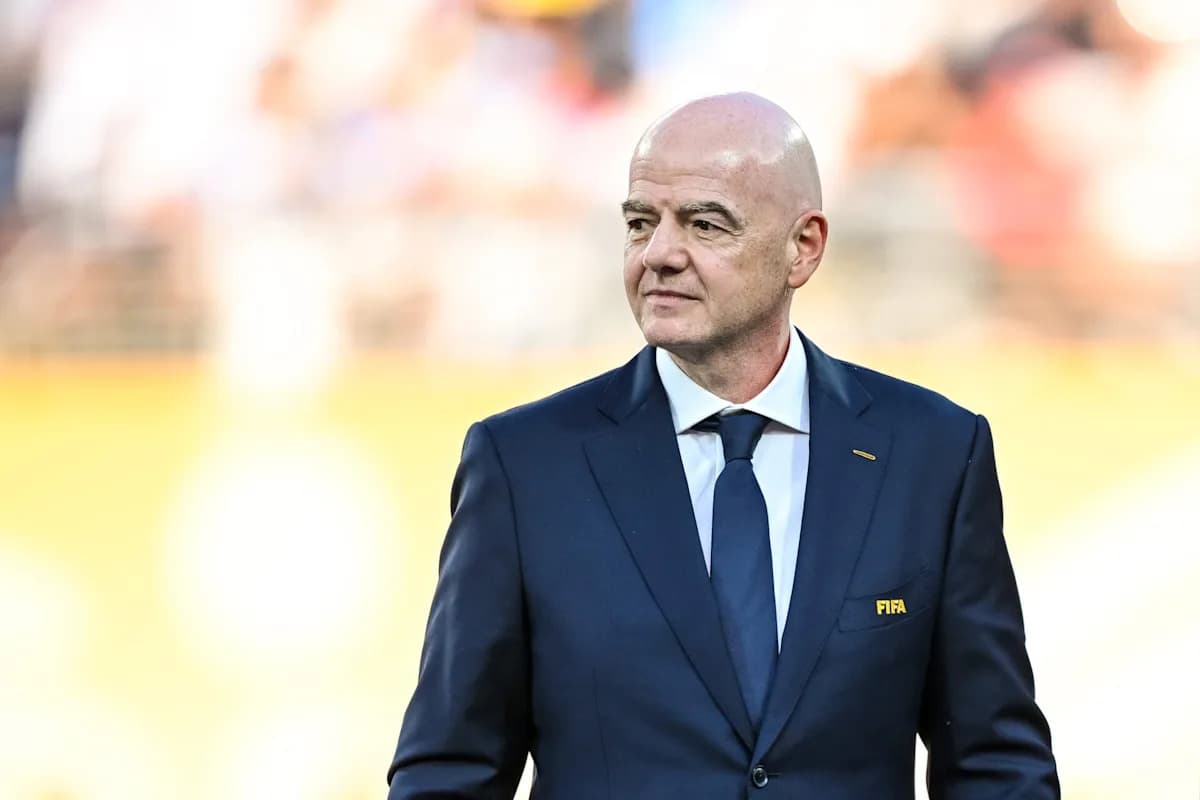
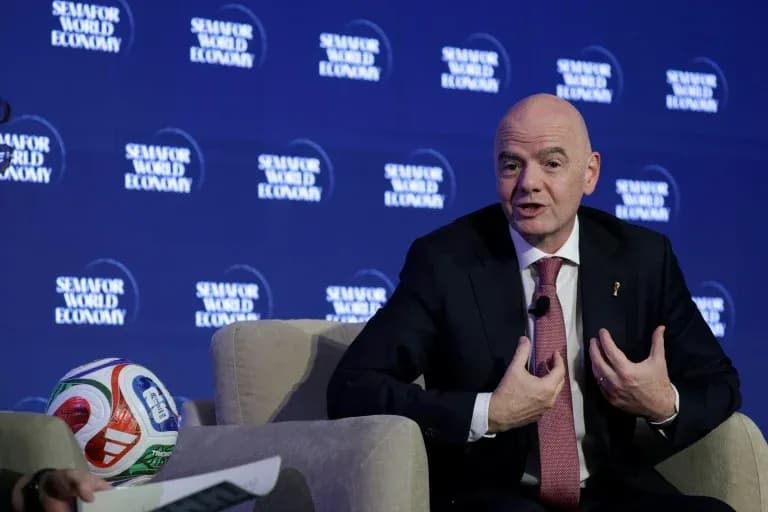
“FIFA is proud to be in its most solid financial position ever, enabling us to help all our member associations in an unprecedented way,” president Gianni Infantino said, presenting the increases as proof that record revenues are being recycled back into the game.
The numbers are staggering. Across the current four-year cycle, capped by the 2026 edition — the biggest World Cup in history — FIFA expects to generate around $13 billion. Prize money for 2026, announced last year, already smashed the 2022 total with a 50 percent hike. Now the broader financial package around the tournament has been dragged upwards as well.
All this comes against a backdrop of anger over soaring ticket prices and sharp hikes in local transport costs in some U.S. host cities. Fans will pay more than ever to follow the show. So, too, will teams have to spend heavily to operate across three countries. FIFA’s latest move is an attempt to show it has heard the complaints.
New red lines: mouth-covering, mass walk-offs and yellow card resets
The money was only half the story in Vancouver.
FIFA also confirmed a set of law changes that will debut at the 2026 World Cup, starting with a striking new sanction aimed at confrontations laced with abuse. From the tournament kickoff in Mexico City on June 11, players who cover their mouths while squaring up to opponents can be shown a straight red card.
“At the discretion of the competition organiser, any player covering their mouth in a confrontational situation with an opponent may be sanctioned with a red card,” FIFA said after the International Football Association Board (IFAB) signed off the change.
The measure is framed as part of the fight against racism. It follows an incident in February when Benfica winger Gianluca Prestianni was accused of racially abusing Real Madrid’s Vinicius Junior during a Champions League match while shielding his mouth from cameras. Prestianni denied racially abusing the Brazilian but was later hit with a six-game ban — three of them suspended — for “homophobic conduct”.
The message now is clear: players who try to hide their words in heated exchanges risk leaving their team a man down on the biggest stage of all.
A second new red-card trigger targets mass protests that spill over into abandonment threats. From 2026, players who leave the field in protest at a referee’s decision can be dismissed. Any team that causes a match to be abandoned will forfeit it.
That is a direct response to the storm around this year’s Africa Cup of Nations final in Rabat. Senegal’s players, head coach Pape Thiaw and his staff walked off after Morocco were awarded a stoppage-time penalty, which Brahim Diaz went on to miss. Senegal returned, won the final 1-0 in extra time, and then saw their title sensationally stripped by the Confederation of African Football in a ruling last month.
FIFA’s new stance is designed to avoid similar chaos on World Cup soil. Walk off, and you pay — on the scoreboard.
One final tweak could prove hugely popular with coaches and broadcasters alike. Single yellow cards picked up in the group stage will be wiped after the first round. Bookings will then be cleared again after the quarter-finals.
The aim is obvious: keep the stars on the pitch for the decisive matches. No more semi-finals or finals missing marquee names simply because they collected two routine cautions weeks apart.
Money flowing, discipline tightening, pressure rising. As the countdown to the biggest World Cup ever accelerates, FIFA has made its play: richer rewards, harsher lines, and a tournament where the stakes — sporting, financial and moral — have rarely felt higher.