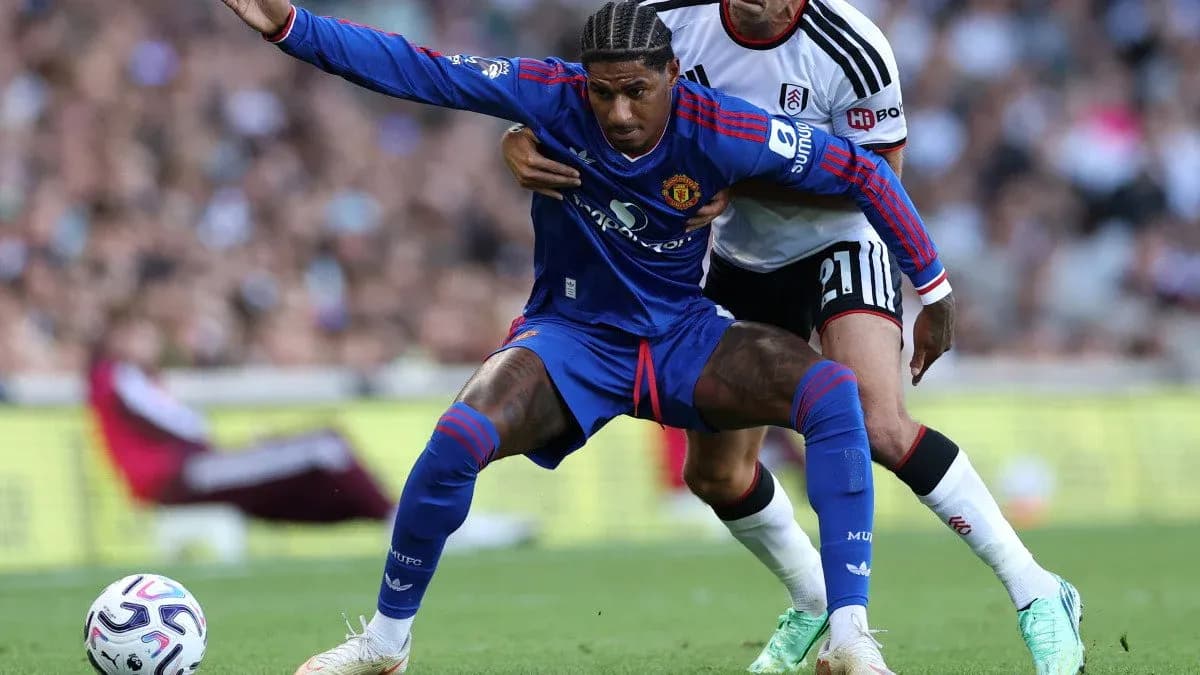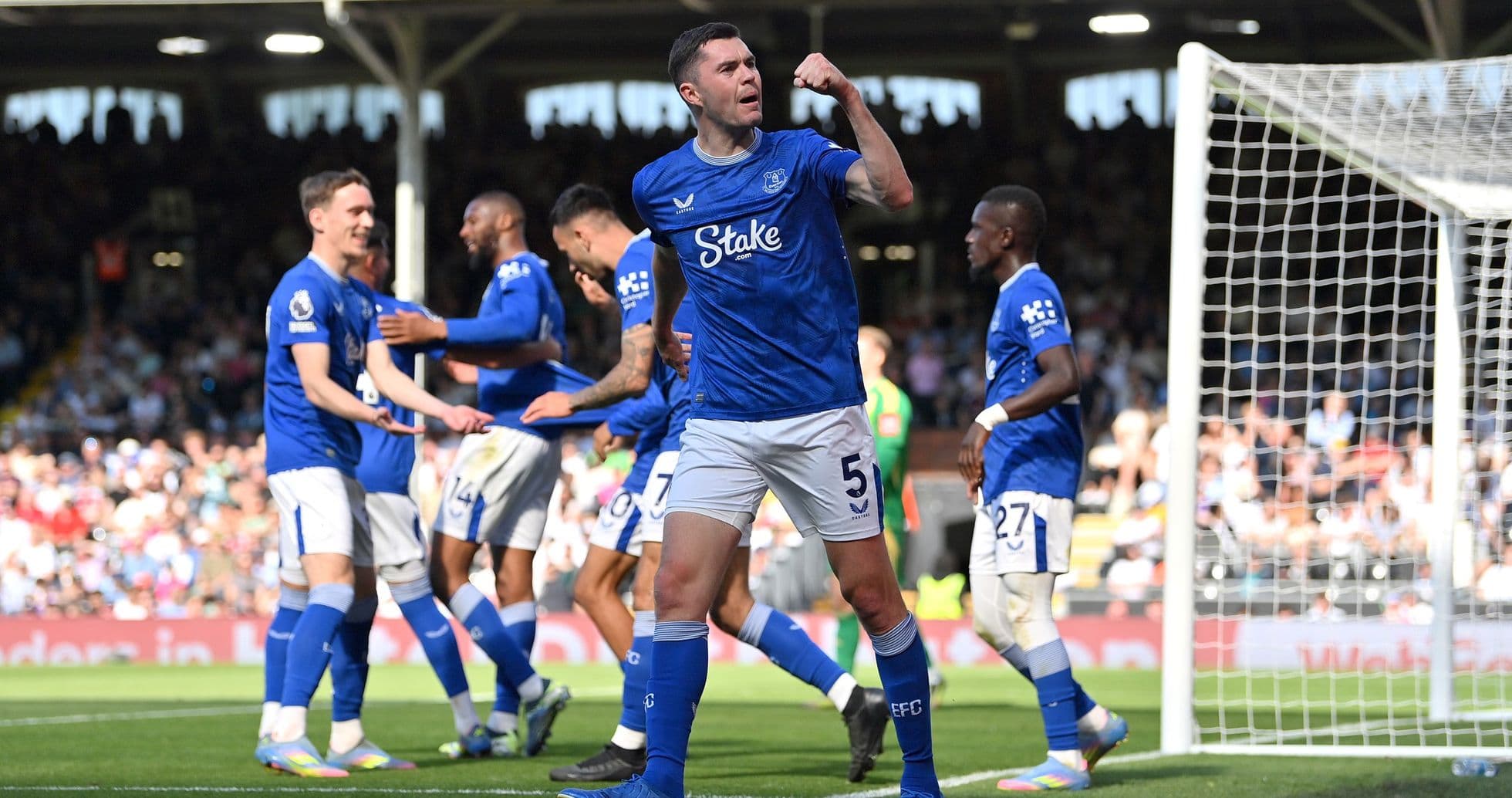
Fulham vs Everton: Mid-Table Rivals Clash at Craven Cottage
The Premier League’s tight middle pack converges on the banks of the Thames on Saturday as Fulham welcome Everton to Craven Cottage in what feels like a quiet but crucial crossroads in both clubs’ seasons. Level on 34 points after 24 matches, ninth versus tenth, this is less about title races or relegation fear and more about ambition: who dares to look up at Europe, and who risks being dragged back into the scrap below.
Under the watch of referee S. Attwell, a compact west London ground that has already seen seven home wins this term will host two sides whose recent form has been patchy at best. Fulham’s “LWLWD” run hints at inconsistency, while Everton’s “DDWDL” sequence shows resilience but also a nagging inability to turn draws into decisive victories. With only goal difference separating them and the top seven not far beyond the horizon, this clash could shape how both clubs define success come May.
Form Guide & Season Trends
Fulham’s season has been defined by contrast: solid, often slick at Craven Cottage, and far less convincing on the road. Seven wins from 12 home matches, with 21 goals scored and only 14 conceded, underline why the Cottage has become something of a refuge. They average 1.8 goals per home game, and their attacking patterns tend to grow stronger as matches wear on. Ten of their 34 league goals have come in the final quarter‑hour, making them one of the more dangerous late‑surging sides in the division.
Defensively, however, Fulham are rarely watertight. They have conceded 35 goals overall, 1.5 per game, and are particularly vulnerable immediately after half‑time and in the dying stages, with a combined 21 goals shipped between minutes 46–60 and 76–90. That volatility feeds into a broader inconsistency: a season‑long form line of “DDLWWLLLLWLWWLLWWWDDWLWL” speaks of streaks, both good and bad, rather than steady progression.
Everton, by contrast, have built their campaign on structure and stubbornness, especially away from Merseyside. Sean Dyche’s side have taken five wins and three draws from 12 away matches, losing just four and conceding only 11 times – an average of 0.9 goals against per away game. Nine clean sheets overall, including five on their travels, make them one of the league’s more reliable defensive units.
The Toffees are less prolific going forward, with just 26 goals in 24 games and only 11 away from home at an average of 0.9 per away match. They tend to grow into contests, with 36% of their goals arriving between minutes 76–90, mirroring Fulham’s late‑goal habit and hinting at a potentially dramatic finish on Saturday. While Everton’s overall form string “LWWDLDWLLDWWLWWLLDWLDWDD” is just as erratic as Fulham’s, the numbers suggest they are more comfortable grinding out tight contests, particularly on the road.
Head‑to‑Head History
Recent history tilts Everton’s way. The reverse meeting this season at Hill Dickinson Stadium ended 2–0 to the Toffees, who controlled the match after a 1–0 half‑time lead and never allowed Fulham a route back. That win followed a 3–1 Everton success at Craven Cottage in May 2025, when the visitors overturned a 1–1 half‑time scoreline with a ruthless second‑half display.
Across the last five competitive meetings, Everton have three wins, Fulham just one, with one draw. The League Cup quarter‑final in December 2023 stands out as a rare moment of Fulham joy on Merseyside, edging a penalty shootout 7–6 after a 1–1 draw at Goodison Park. But in league terms, Fulham have often found Everton an awkward opponent, particularly at home where they have failed to win either of the last two Premier League encounters, taking just a single point.
Interestingly, these matches have not followed a single pattern. There has been a cagey 0–0 at Craven Cottage in January 2024, a 3–1 away win for Everton, a 2–0 home win for Everton, and a 1–1 draw at Goodison. That mix of tight, low‑scoring affairs and more open contests makes this meeting hard to pigeonhole – but the trend of Everton finding a way to avoid defeat is one Marco Silva will be desperate to break.
Team News & Key Men
Fulham’s preparations are complicated by a couple of notable absentees and doubts. Sasa Lukic is ruled out through injury, depriving them of a versatile midfield presence who can knit play and provide balance. There is also concern over the availability of Rodrigo Muniz and O. Bobb, both listed as questionable with hamstring problems. Should Muniz miss out, Fulham lose a physical focal point in attack, which could force Silva to lean even more heavily on his wide and creative players.
That places the spotlight firmly on Harry Wilson. The Welsh international has been one of the Premier League’s standout performers this season, with eight goals and four assists in 23 appearances. His numbers go beyond raw output: 19 shots on target from 33 attempts and 25 key passes underscore his dual role as both finisher and creator. Operating from midfield or drifting in from the flank, Wilson’s left foot is Fulham’s most reliable weapon, especially in those late surges where the hosts have been so dangerous.
Everton arrive with their own selection issues. Jack Grealish is confirmed out with a foot injury, a significant blow to their creativity between the lines and in tight spaces. Vitaliy Mykolenko is a doubt with a knock, and his absence would disrupt a back line that has been central to Everton’s impressive away record. Dyche, though, has generally coaxed collective resilience out of this group, and with a settled 4‑2‑3‑1 used in 23 of their 24 league matches, the Toffees are unlikely to deviate far from the blueprint that has served them well on the road.
This has all the ingredients of a tight, tactical contest between a strong home side and a disciplined, streetwise traveller. Fulham’s attacking edge at Craven Cottage and the individual brilliance of Harry Wilson suggest they will create chances, but Everton’s defensive organisation and recent dominance in this matchup cannot be ignored.
Expect a match that may start cagey and grow increasingly stretched in the final half‑hour, where both teams statistically do their best work. With so little between them in the table and in the numbers, a draw feels the most likely outcome – but if anyone edges it, Fulham’s home comfort and late‑goal threat might just tip the balance.