Inter vs Hellas Verona: A Tactical Clash in Serie A
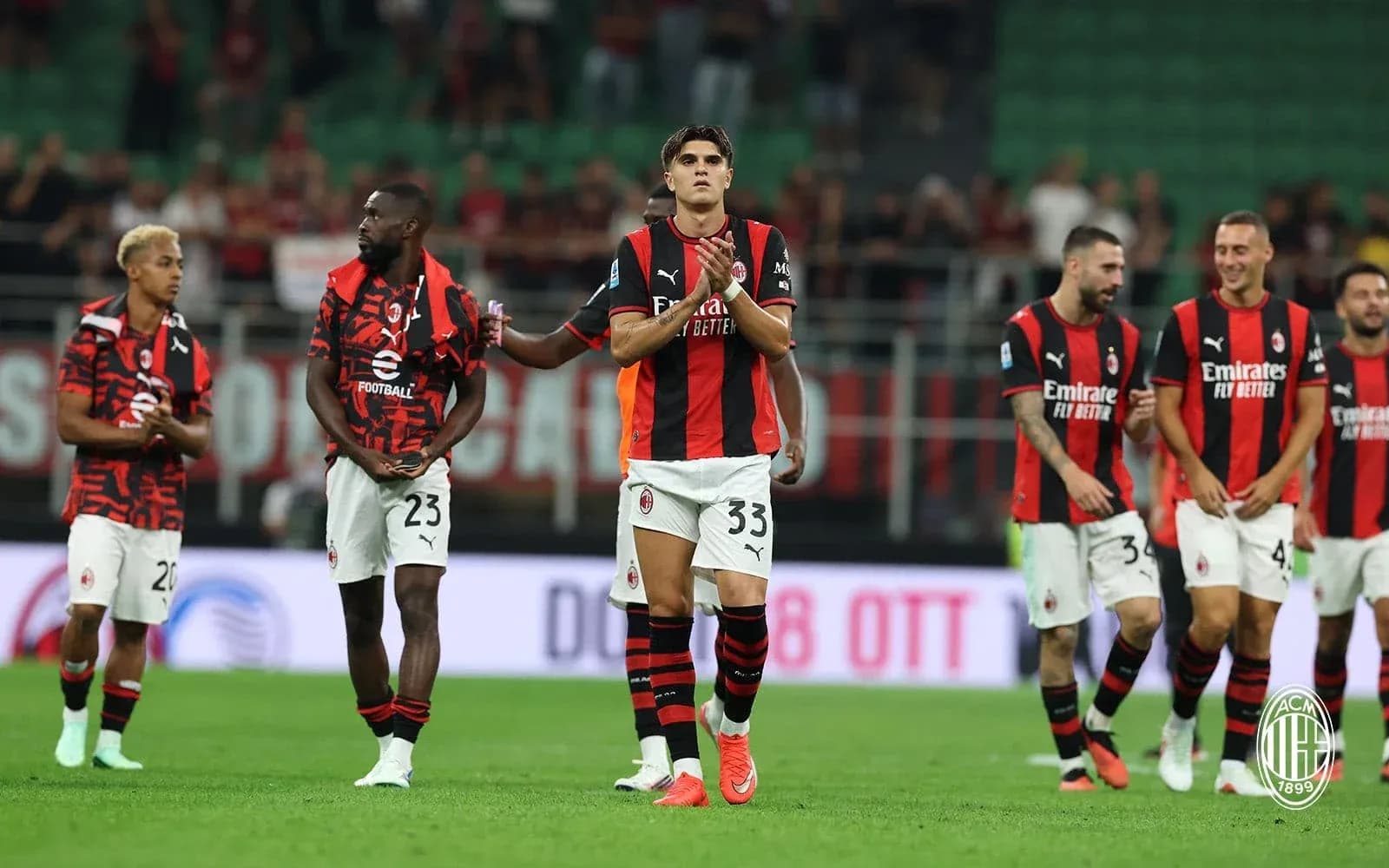
The late afternoon light over San Siro felt almost ceremonial as Inter, champions-elect in everything but name, walked out to face a Hellas Verona side staring into the abyss. This was Round 37 of Serie A, the penultimate chapter of a long campaign, and yet the 1-1 draw that followed felt more like a collision of identities than a routine end‑of‑season fixture.
Inter arrived as the league’s dominant force. Heading into this game they sat 1st with 86 points and a goal difference of 54, built on 86 goals scored and 32 conceded overall. At home they had been ruthless: 14 wins from 19, 50 goals scored and just 16 allowed, an attacking machine averaging 2.6 goals at San Siro and conceding only 0.8. Cristian Chivu’s side has lived in a 3-5-2 all season – 37 times in the league – and the lineup here was a pure expression of that system.
Opposite them, Verona came in 19th with 21 points and a goal difference of -34, the numbers of a side that has spent the year fighting the current. On their travels they had won only 2 of 19, scoring 13 and conceding 33, averaging 0.7 goals away and shipping 1.7. Paolo Sammarco’s choice of a 5-3-2 at Stadio Giuseppe Meazza was not just conservative; it was survivalist.
I. The Big Picture: Shapes and Intent
Inter’s 3-5-2 was built on a familiar back three: Stefan de Vrij central, flanked by Matteo Darmian on the right and Francesco Acerbi on the left. Ahead of them, a five‑man band of ball‑players and runners: Carlos Augusto wide left, Luis Henrique wide right, with a central trio of Henrikh Mkhitaryan, A. Diouf and P. Sucic. Up front, the pairing of L. Martinez and A. Bonny offered contrasting profiles – Martinez the league’s most decisive attacker with 17 goals and 6 assists overall, Bonny the willing runner and channel option.
Verona mirrored the shape numerically but not in ambition. Their 5-3-2 was a low‑block interpretation: L. Montipo behind a line of five – M. Frese, N. Valentini, A. Edmundsson, V. Nelsson and R. Belghali – with S. Lovric, R. Gagliardini and A. Bernede compressing the space in front. T. Suslov and K. Bowie formed a front two asked to sprint, press in bursts, and live off transitions.
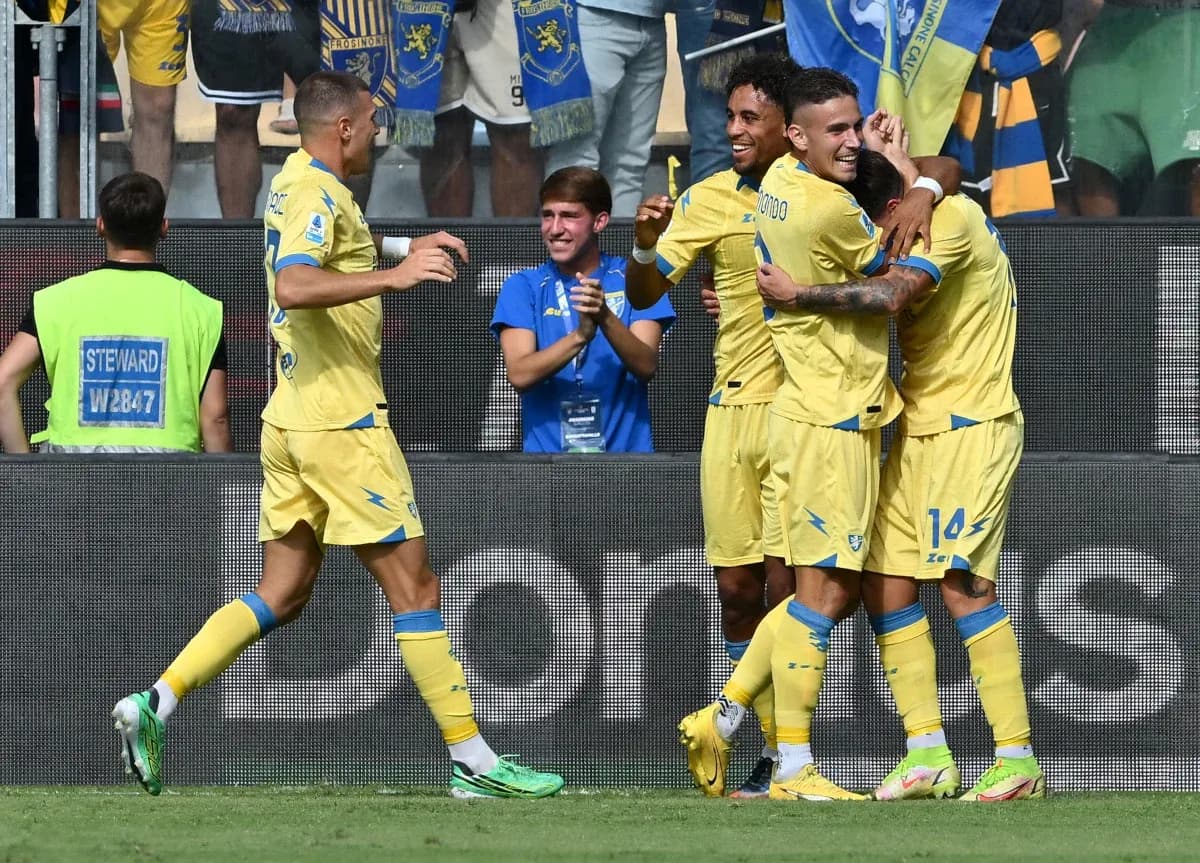
The final scoreline of 1-1, after a goalless first half, told of Verona’s resilience more than Inter’s wastefulness. For a side that had failed to score in 19 league matches overall, Verona finding a way to share the points at San Siro was an act of defiance.
II. Tactical Voids: Who Was Missing, What Was Lost
Verona’s absences were not cosmetic. D. Mosquera, G. Orban, D. Oyegoke and S. Serdar were all listed as Missing Fixture, with injuries and inactivity thinning Sammarco’s options. Orban’s absence in particular removed a forward who had scored 7 league goals overall and carried a direct threat in behind. Without him, Verona’s bench was rich in bodies but lighter in proven end‑product.
Inter, by contrast, had a full arsenal on paper. That Hakan Çalhanoğlu, Nicolò Barella and Federico Dimarco all started on the bench was a reminder of how deep this squad runs. Çalhanoğlu’s 9 goals and 4 assists overall, Barella’s 8 assists, and Dimarco’s extraordinary 16 assists and 6 goals made them the league’s most dangerous supporting cast. Chivu could tilt the game from the touchline at any moment.
Disciplinary trends also shaped the mood. Inter’s yellow cards this season have peaked late: 30.65% of their bookings arriving between 76-90 minutes, a sign of a team that pushes the limits as matches tighten. Verona, by contrast, have lived on the edge throughout: their yellows cluster between 46-60 minutes (23.26%) and 31-45 minutes (20.93%), while their reds are scattered across early and late phases, with 50.00% of their dismissals coming between 76-90 minutes. This is a side that often ends games fraying at the seams.
III. Key Matchups: Hunter vs Shield, Engine Room vs Enforcer
The headline duel was always going to be L. Martinez against Verona’s defensive shell. Martinez’s 17 goals overall have been built on volume and precision – 69 shots, 39 on target – and an all‑round game that includes 37 key passes and 24 tackles. Here he found himself repeatedly funneled into traffic by a back five that narrowed aggressively, with Nelsson and Edmundsson stepping out to contest his first touch while Valentini covered depth.
Behind them, Gagliardini was Verona’s Shield. With 73 tackles, 13 blocks and 54 interceptions overall this season, plus 10 yellow cards, he is the archetype of the destructive midfielder. His job at San Siro was to break the rhythm of Inter’s central trio, to make sure Sucic and Diouf never received on the half‑turn. Every time Inter tried to accelerate through the middle, Gagliardini’s positioning and willingness to foul reset the tempo.
In the Engine Room battle, Inter had the higher ceiling. Mkhitaryan’s intelligence between the lines, combined with the potential introduction of Çalhanoğlu and Barella, offered layers of control and creativity. Çalhanoğlu’s 41 key passes and 90% passing accuracy overall make him a metronome who can also break games open with vertical deliveries and set‑pieces. Barella, with 72 key passes and 52 tackles, is the league’s most complete box‑to‑box profile. Even from the bench, their presence shaped Verona’s fear: the visitors sat deeper, narrower, always wary of the next wave.
Out wide, the duel between Carlos Augusto and M. Frese was a fascinating subplot. Frese, who has made 79 tackles and 10 blocks overall and collected 8 yellow cards, is one of Verona’s most combative defenders. His task was to contain Augusto’s surges and the overlapping threat of Dimarco once introduced. Every Inter overload on the left tested Verona’s back‑five integrity.
IV. Statistical Prognosis and Tactical Verdict
Heading into this game, the numbers screamed mismatch. Inter’s attack, averaging 2.3 goals overall and 2.6 at home, against a Verona defence conceding 1.6 goals overall and 1.7 on their travels, pointed towards a multi‑goal home win. Inter’s 18 clean sheets overall and just 2 matches at home where they failed to score suggested Verona would need something close to perfection to escape.
Yet the 1-1 draw underlined how structure and desperation can bend the probabilities. Verona’s 5-3-2 compressed the central lane, forcing Inter to rely on crosses and half‑spaces rather than the clean central combinations that usually fuel their xG. Without penalty variance – Inter are perfect from the spot this season, scoring all 5 overall – and with Verona disciplined enough to avoid a decisive red card, the underdog managed to drag the game into their preferred margins.
Following this result, Inter remain a side whose season-long metrics justify their supremacy: a +54 goal difference built on balance, depth and a relentless 3-5-2. Verona, even with their fragile numbers, showed that with the right shape, an enforcer like Gagliardini in front of a committed back five, and forwards willing to run without the ball, they can still disturb the giants.
In tactical terms, this was a story of a champion’s machine meeting a relegation fighter’s trench warfare – and discovering that, even in a season of dominance, not every battle can be won on the spreadsheet.