Liverpool Players at the World Cup: Performances and Insights
The World Cup has finally shut its doors after 104 games, a mountain of flashpoints and a final that felt more grim than grand. Spain emerged with the trophy, Argentina with the bruises and recriminations. Liverpool, scattered across the United States, Canada and Mexico, quietly played their part.
Eight Reds went to the tournament. Only one came back as a winner. Another came back as a story that never really started.
Victor Munoz – N/A
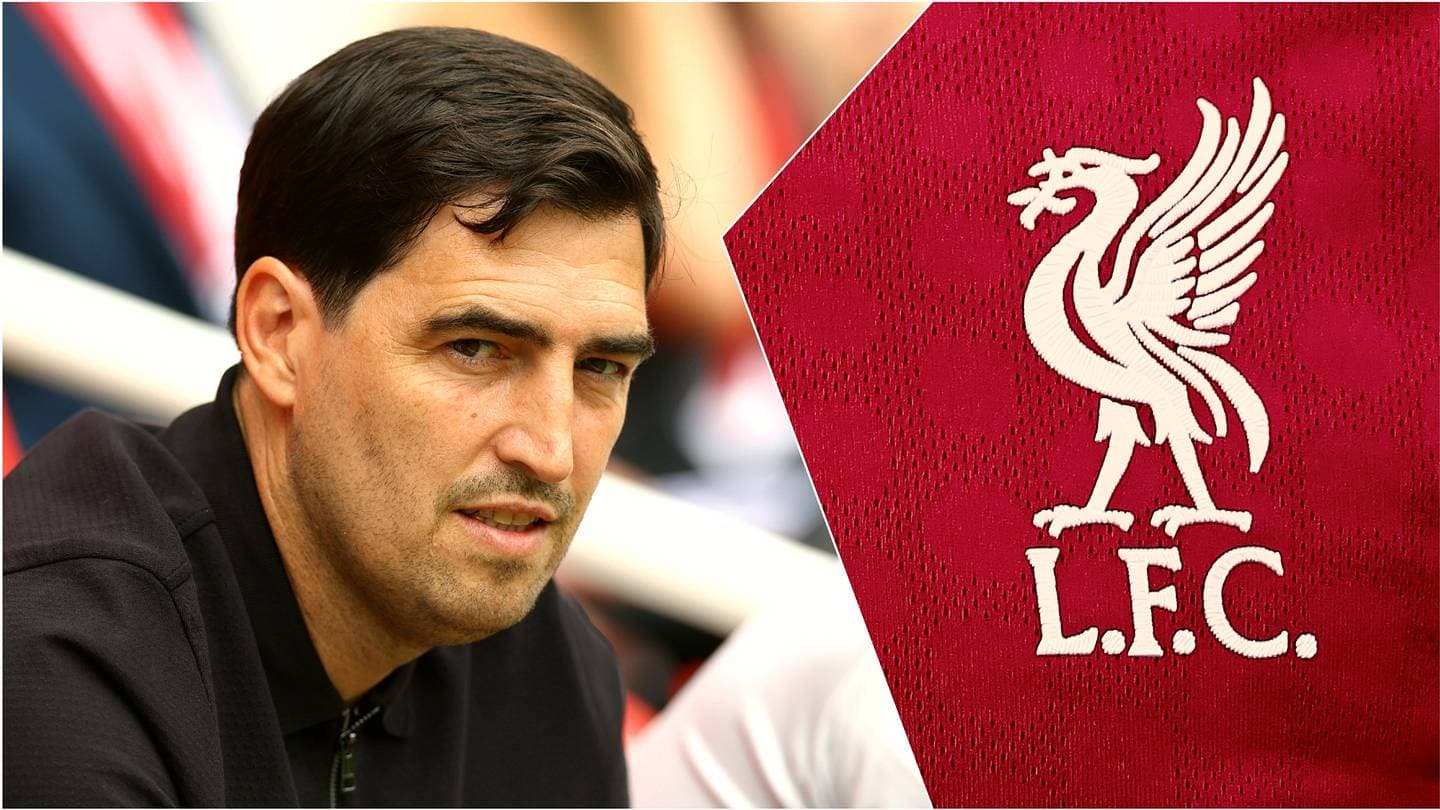
The first signing of the Andoni Iraola era arrived in the strangest way possible: as a World Cup winner who never kicked a ball.
Spain were still trying to work out how they had failed to score against Cape Verde in their opener when news broke that Liverpool had triggered Victor Munoz’s £34.5million release clause at Osasuna. It felt like perfect timing. A new winger, a new manager, a global stage.
Then nothing.
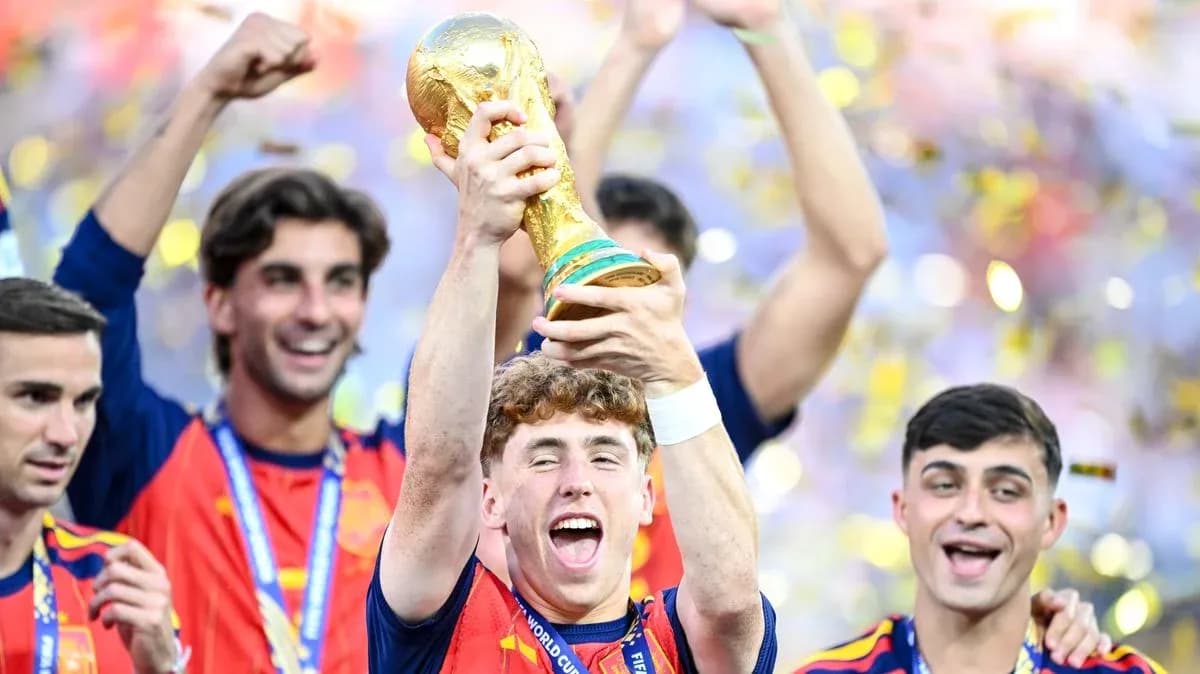
An injury wiped him out for the early games. The recovery came too late. Luis de la Fuente never turned to him, even as Spain marched all the way to the trophy. Munoz spent the tournament on the fringes, watching his team-mates lift the World Cup while he remained a footnote on the team sheet.
Yet history will not care. He joins Roger Hunt, Ian Callaghan, Gerry Byrne, Fernando Torres and Pepe Reina as only the sixth serving Liverpool player to win the World Cup. No minutes. A medal all the same. An odd beginning to a Liverpool career, but a glittering one on paper.
Alexis Mac Allister – 7
Alexis Mac Allister did not escape the criticism that rained down on Argentina after a bleak, bad-tempered final. Few of Lionel Scaloni’s players did. But strip away the emotion of that last game and his tournament stands tall.
He was a constant. The midfielder played every minute bar the dead rubber against Jordan, Argentina already through as group winners by then. From a more advanced role than he often occupies at club level, he knitted moves together, found pockets of space and carried a heavy creative load.
He created a goal against Cape Verde, then struck the opener in the quarter-final win over Switzerland, a pressure moment he handled with calm authority. When Argentina teetered on the brink against England, he was one of those dragging them back, demanding the ball, taking responsibility.
Across eight games, he was booked only once – a minor miracle for a 27-year-old who usually lives on the edge of the referee’s notebook. Liverpool will not miss the significance of that: control, maturity, influence. If he brings this version of himself back to Anfield, Iraola has a ready-made pillar for his midfield.
Alisson Becker – 7
Brazil arrived with a familiar weight on their shoulders and left with a familiar sense of underachievement. Through it all, Alisson Becker looked like the grown-up in the room.
Fresh from injury, he slipped straight back into his role as the calm centre of chaos. His handling was secure, his positioning assured, his decision-making clear. Brazil may have been a pale imitation of their great sides, but their goalkeeper did not shrink to match them.
There was little he could do about Erling Haaland’s two ruthless finishes in the defeat to Norway that sent them home. The defensive structure in front of him wilted; Alisson did not. He reminded everyone why he still sits in any serious conversation about the best goalkeepers in the world.
For Liverpool, the question is no longer about his level. It is about his body. If he stays fit, Iraola inherits a foundation as strong as any in Europe.
Alexander Isak – 6
Alexander Isak’s World Cup will raise eyebrows on Merseyside for one reason above all: his legs suddenly lasted 90 minutes. Three full games out of four for Sweden, having never done so once for Liverpool last season.
He began with a flourish. Against a poor Tunisia side he looked every inch the complete forward, scoring once and laying on two more in a dominant display. His movement was sharp, his link play crisp, his confidence obvious.
The spark dimmed as the tournament wore on. He added another assist in the heavy win over Holland, but from there his impact faded. Touches became fewer, influence waned, the early verve draining away as Sweden’s campaign lost shape and edge.
The numbers are respectable. The narrative is more complex. Isak showed what he can do when fully trusted and fully fit, but also how quickly that shine can dull when the team around him falters.
Cody Gakpo – 8
Cody Gakpo arrived at the World Cup with questions hanging over him from Anfield. He left with many of them answered.
Freed from the tactical straitjacket that often seemed to weigh him down last season, he came alive on the left flank for Holland. The sharpness returned. So did the swagger. Against Sweden he was electric, scoring twice and setting up another in a performance that felt like a personal reset.
He carried that threat into the knockout rounds. In the round of 32 defeat to Morocco, he found the net again on a night steeped in emotion, scoring shortly after the devastating news of the loss of his unborn son. It was a goal wrapped in grief, resilience and raw courage.
Gakpo’s tournament was not flawless, but it was forceful. He looked like a player unburdened, a forward with edges again. Liverpool will wonder how to recreate that environment for him back at Anfield.
Virgil van Dijk – 7
Virgil van Dijk went to the World Cup as Holland’s captain and defensive anchor. He came back with a familiar feeling: praised abroad, questioned at home.
On the pitch, he delivered solid returns. He scored in the entertaining group draw with Japan and added an assist against Tunisia, underlining his threat in both boxes. Out of possession, he marshalled a back line that was often left exposed by Ronald Koeman’s attack-first blueprint.
Holland conceded in all four of their games, and the knives came out again from certain corners of the Dutch punditocracy who have never quite warmed to the Liverpool defender. The criticism said as much about them as it did about him.
Van Dijk was not flawless. He rarely is these days. But he remained the leader, the organiser, the reference point in a side built to thrill rather than to shut games down. For Iraola, that blend of experience and authority still looks invaluable.
Ryan Gravenberch – 7
Ryan Gravenberch’s World Cup was a study in versatility and, at times, compromise.
Koeman pushed him higher up the pitch than Liverpool usually do, and the early signs were encouraging. Against Japan he thrived between the lines, producing two clever assists, his passing angles and close control opening doors in tight spaces.
Then came the tactical reshuffle. In the defeat to Morocco he was dropped back into a more defensive role, asked to shield rather than to slice. The edge to his game dulled, his influence on the ball reduced. He was substituted before Holland conceded the late equaliser that dragged the tie to penalties, his work done but not decisive.
Even so, this was a tournament that reminded everyone of his range. He can sit, he can surge, he can create. The challenge at Liverpool will be to pin down where he can hurt opponents most often.
Florian Wirtz – 6
Look only at the numbers and Florian Wirtz enjoyed a productive World Cup. Three assists in four games for a misfiring Germany, operating mainly from the left, is a strong return on paper.
The eye test told a slightly different story.
His quality is obvious: the weight of pass, the awareness of space, the ability to glide past opponents. Those flashes were there. Yet there was a lingering sense that he never quite seized the tournament, that he stayed a fraction below the level demanded of a true talisman.
Germany’s campaign ended in controversy, a penalty shootout defeat to Paraguay with Wirtz already off the pitch. The symbolism was hard to ignore. Their most gifted creator watching on as the story slipped away.
For Liverpool, the lesson from this World Cup is clear. Their players scattered across the globe showed promise, resilience, and in one case, picked up the game’s biggest prize without playing. The question now is simple: who carries that World Cup edge back into the grind of the new season?