Manchester United's Midfield Rebuild Faces £100m Price Tags
Manchester United have money to spend and a midfield to fix. That much is clear. What’s becoming just as clear is that even a “considerable budget” only stretches so far in a market where every serious target seems to start at £80 million and climb from there.
Anderson: The £100m Derby Battle
At the top of United’s wishlist sits Elliot Anderson of Nottingham Forest, the player viewed inside Old Trafford as this summer’s dream signing. Forest value the England international at around £100m, a figure that underlines just how highly the 23-year-old is regarded after his rise in the Premier League.
United’s hierarchy are said to be optimistic. They believe they can muscle in ahead of Manchester City and convince Anderson to anchor their new-look midfield. That’s the plan.
Reality is harsher. Right now, City are considered favourites to land him. The “noisy neighbours” once again stand between United and the player they want most, and this tug-of-war threatens to define United’s window. Beat City to Anderson and it feels like a statement. Lose out, and the rebuild already looks compromised.
Baleba: The Dream That Won’t Move
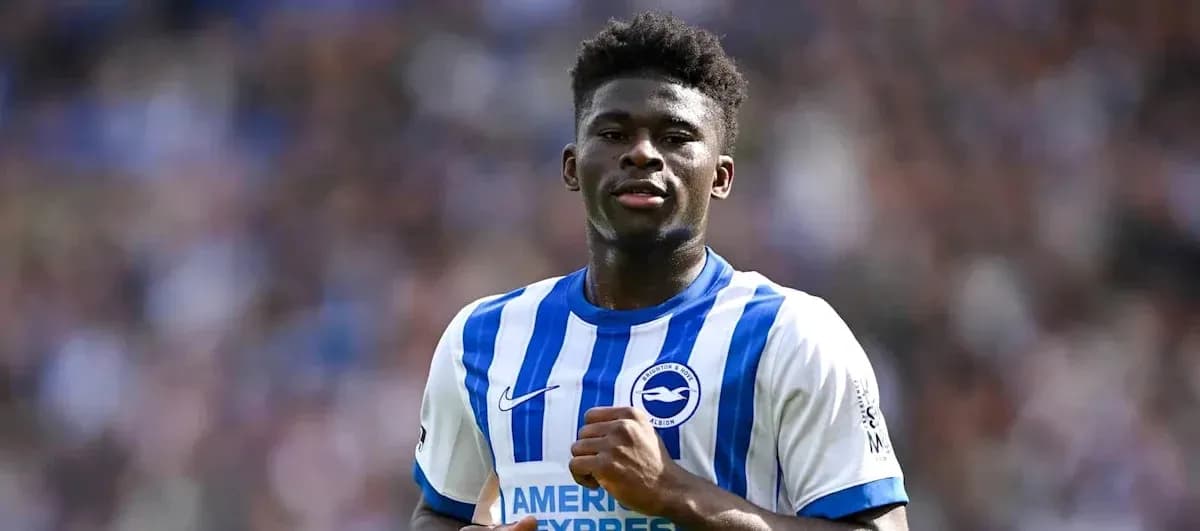
If Anderson is the fresh obsession, Carlos Baleba is the one that got away — and still might.
Last summer, the Brighton & Hove Albion midfielder was regarded as United’s ideal profile: a powerful, box-to-box presence, blessed with serious athleticism and room to grow. Brighton’s response was blunt. They stuck a £100m price tag on the Cameroonian and refused to budge. The deal died there.
United did their groundwork. They reached an agreement with Baleba on personal terms in August, and in April this year, Fabrizio Romano reported that a verbal agreement between the player and United for summer 2025 “remains valid”. On paper, it looked like a long game that would eventually pay off.
Baleba then endured an underwhelming season. That usually softens a selling club’s stance. It hasn’t. Brighton remain unmoved, still reluctant to offer anything resembling a discount for the 22-year-old. The stalemate has simply rolled into another window.
United remain interested, as reported by The Guardian, but Brighton believe the Cameroon international will stay put on the south coast. For all the talk of agreements and future plans, the only thing that truly matters is the selling club’s resolve — and Brighton’s is iron.
Fernandes: A Cheaper Path That Still Isn’t Cheap
With Baleba locked behind Brighton’s valuation and Anderson tied up in a potential Manchester derby off the pitch, United have turned their gaze to another name: Mateus Fernandes of West Ham.
Jason Wilcox, United’s director of football, is monitoring the young Portuguese midfielder as an alternative way to strengthen the heart of the team. On paper, it’s a smart pivot: a talented player at a club just relegated to the Championship, where financial pressure bites harder.
Yet even that route comes with a heavy toll. West Ham are believed to want around £80m for Fernandes. INEOS, now driving United’s football operation, have no intention of simply meeting that figure. Not when the player’s current club desperately need to raise funds through sales after dropping out of the Premier League.
That dynamic hands United a different kind of opportunity. They can wait. They can test West Ham’s resolve as the summer drags on and the financial reality of Championship football sharpens. The risk, of course, is obvious: wait too long and another club steps in, or West Ham dig in and refuse to blink.
Big Budget, Bigger Stand-Offs
Three targets. Three heavy valuations. One club trying to rebuild while staying within the new, stricter lines drawn by INEOS.
United have the money, but not the freedom to throw it around as they once did. Anderson is a £100m battle with City. Baleba remains locked behind Brighton’s refusal to discount. Fernandes sits at £80m with a relegated club still talking like a Premier League seller.
For United’s new regime, this window is already shaping into a test of strategy as much as spending power. Do they force one of these deals through at premium cost, or play the long game and risk watching their shortlist shrink?
The midfield needs answers. The market is offering only ultimatums.