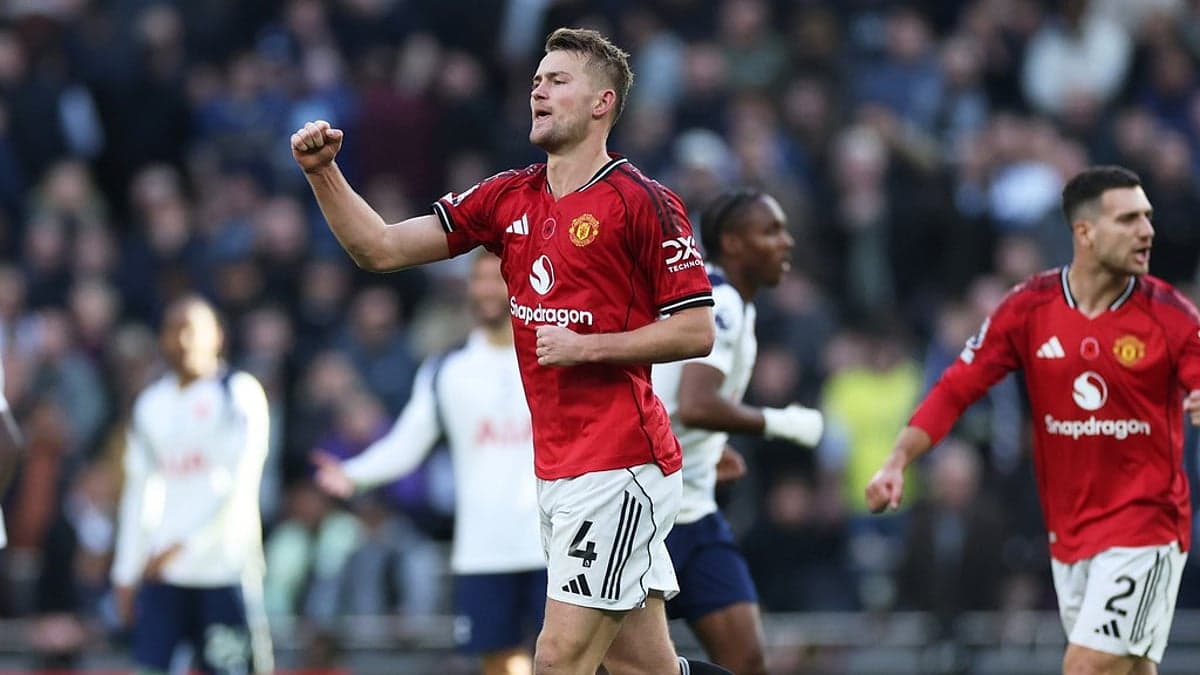
Manchester United vs Tottenham: A Clash of Ambitions at Old Trafford
The lights of Old Trafford will burn a little brighter on Saturday lunchtime as Manchester United welcome Tottenham in a clash loaded with contrasting narratives. United, fourth in the Premier League on 41 points, are quietly piecing together a Champions League charge, their recent form line of “WWWDD” hinting at growing resilience. Tottenham, by contrast, arrive in Manchester sitting 14th with 29 points, their “DDLLD” sequence reflecting a side stuck in neutral and drifting dangerously close to the wrong end of the table.
With a 12-point gap between the sides, this is not a title showdown, but it is a statement game. For United, it is about consolidating their top-four credentials and turning Old Trafford into a reliable platform again. For Spurs, ravaged by injuries to key men, it is a test of character and depth as they seek a result that could spark a late-season surge away from mid-table obscurity.
Form Guide & Season Trends
United’s season has been defined by incremental improvement rather than fireworks. Eleven wins from 24 league matches and only five defeats underline a team that has learned how to avoid losing even on off days. At Old Trafford, they have been particularly solid: seven wins, three draws and just two defeats from 12 home outings, scoring 23 and conceding 15. An average of 1.9 goals scored per home game suggests an attack that usually finds a way, while 1.3 conceded points to a defence that is not watertight but generally holds up.
The minute-by-minute scoring pattern tells its own story. United grow into matches and often finish strongly, with 11 of their 44 league goals coming in the final 15 minutes. That late surge is mirrored, intriguingly, by vulnerability at the other end; they have also conceded more in the last quarter-hour than any other period. For neutrals, that combination screams drama. For United’s coaching staff, it is both a weapon and a warning.
Tottenham’s season has been far more erratic. Seven wins, eight draws and nine defeats place them firmly in mid-table, but the split between home and away form is stark. At the Tottenham Hotspur Stadium they have struggled badly (just two wins in 12), yet on the road they are a different proposition: five away wins, four draws and only three defeats. Twenty goals scored and 17 conceded away from home show a side that travels with intent and can hurt opponents if given space.
Defensively, Spurs are marginally tighter than United overall, conceding 33 to United’s 36, but their goals-for column (35) lags behind. They average 1.7 goals per away game, which combined with United’s home scoring rate suggests a contest where both attacks will feel they can impose themselves. Clean sheets underline that point: United have managed only three all season, while Spurs have seven – but five of those have come away, reinforcing the idea that they are more disciplined and compact on their travels.
Head-to-Head History
Recent history between these two has been anything but dull. The last five meetings in all competitions have produced goals, swings in momentum and, from a Tottenham perspective, a clear psychological edge.
Spurs are unbeaten in those five clashes, winning three and drawing two. The most recent league meeting in November ended 2-2 in London, with United surrendering a half-time lead. Before that, Tottenham edged a Europa League final 1-0 in Bilbao – a result that still stings in Manchester and adds a layer of revenge to this encounter.
In domestic cups and league, Spurs have repeatedly found a way. A 4-3 League Cup thriller in December 2024 showcased their attacking verve and United’s defensive fragility, while a 1-0 home win in February 2025 in the league underlined their ability to grind out results. Perhaps most tellingly for the narrative at Old Trafford is the last meeting there: a 3-0 Tottenham victory in September 2024, when the visitors silenced the Theatre of Dreams and exposed United’s structural issues.
Collectively, those games suggest two things: Tottenham do not fear this opponent, and goals tend to flow when these sides collide. Even with Spurs’ current injury crisis, that recent dominance will linger in the minds of both squads.
Team News & Key Men
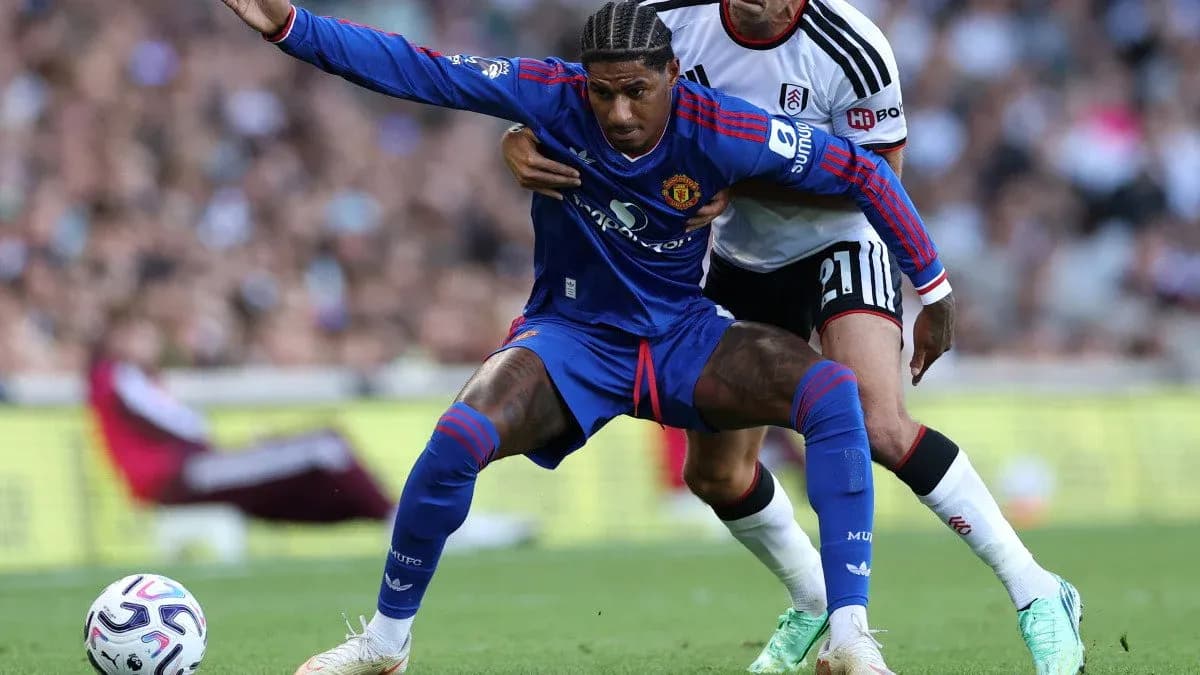
United’s injury list is significant but not catastrophic. Matthijs de Ligt is ruled out with a back injury, depriving the hosts of a high-profile defensive presence and leadership at the back. Mason Mount also misses out with a knock, limiting United’s creative and rotational options in midfield. Yet crucially, their leading attacking threat is available: Bryan Mbeumo has been a revelation in red, scoring eight league goals and adding an assist in 19 appearances. With 42 shots and 28 on target, he is both prolific and efficient, and much of United’s attacking structure will again be built around his movement and finishing.
For Tottenham, the situation is far more severe. Their top scorer Richarlison, who has seven league goals and three assists, is sidelined with a hamstring injury. Losing the Brazilian strips Spurs of their most direct and combative forward, a player who thrives in physical duels and can turn scrappy passages into decisive moments. Around him, the absentees read like a spine of the team: James Maddison (knee), Dejan Kulusevski (knee), Mohammed Kudus (muscle injury) and Pedro Porro (muscle injury) are all out, robbing Spurs of creativity, ball-carrying and threat from full-back.
Rodrigo Bentancur’s muscle injury further weakens the midfield, while defensive depth is hit by injuries to Kevin Danso and Ben Davies. L. Bergvall is also unavailable, and Djed Spence is listed as questionable with a calf problem. For a side already struggling for rhythm, this is a brutal cluster of absences. It means Tottenham will need to lean heavily on squad players and tactical organisation rather than individual brilliance.
The Verdict
This has all the ingredients of a compelling, if potentially lopsided, contest. United come into it with momentum, a strong home record and their main attacking star fit, while Tottenham arrive as a capable away side stripped of many of their best weapons.
Expect United to dominate territory and possession, probing patiently and looking to exploit Spurs’ reshuffled back line, particularly in the latter stages where they traditionally grow stronger. Tottenham’s away resilience means this may not be a procession, but with their creative core and top scorer missing, it is hard to see them sustaining pressure for long spells.
A lively, open match is likely, but Manchester United look better placed to edge it and perhaps, finally, tilt the recent head-to-head narrative back in their favour at Old Trafford.