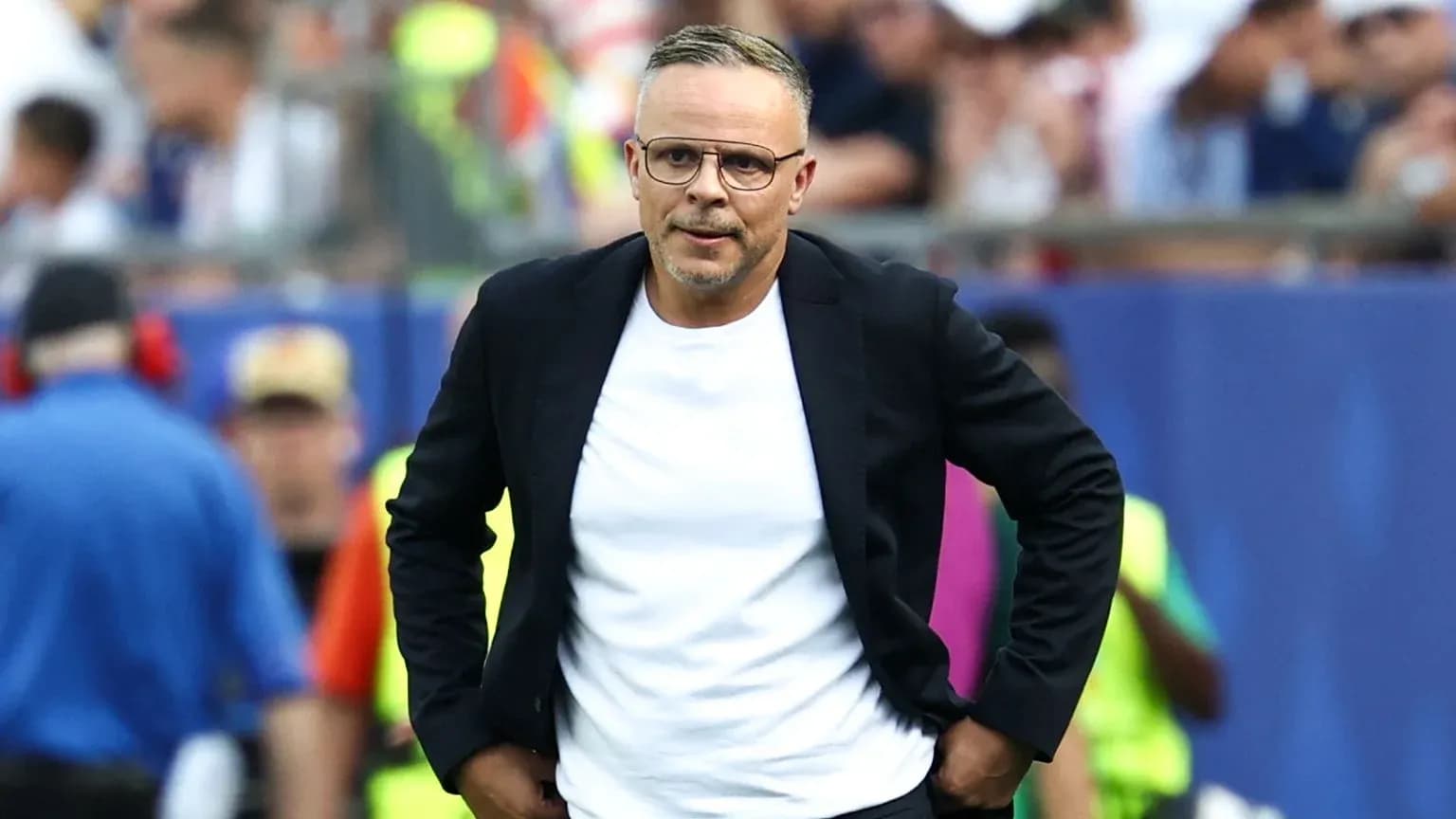
Ouahbi's Frustration and Respect for France After Defeat
Walid Ouahbi left the touchline with one image burned into his mind: Adrien Rabiot’s arm, the loose ball, and Kylian Mbappé thundering it into the Moroccan net. For the Morocco coach, the moment that set France on their way should never have counted.
In the aftermath, the 49-year-old did not hide his frustration with referee Facundo Tello’s decision to let the goal stand.
“The goal came from a bit of a… shared ball, some people stopped because they saw a handball,” he told beIN Sports, still replaying the incident in his head. “It was a handball, I don’t know if it should have been called or not, I don’t know.”
Players hesitated. Morocco’s back line briefly froze. France did not. Mbappé pounced, and the contest tilted sharply towards Les Bleus.
Respect for France, pride in response
Once the anger over the opener eased, Ouahbi’s tone shifted. He had seen enough across the 90 minutes to know his team had been stretched by a side of real pedigree.
“We have to admit that we played against a very good team,” he said, giving France their due. “We suffered a lot in the first half, and Bounou made a great save on the penalty.”
The first half belonged to France. Morocco chased, scrambled, survived. Yassine Bounou’s penalty save kept them alive when the game threatened to run away from them, a crucial stop that gave his teammates something to cling to.
But after the break, the dynamic changed. Morocco finally put a foot on the ball, finally strung passes together, finally looked like themselves.
“In the second half, we defended better and, above all, we were more composed with the ball. We were much better,” Ouahbi said. “In the first half, it seemed like some players were catching their breath. We saw that these same players started the second half well.”
The improvement was obvious. Lines pushed higher. Passes found their mark. Where there had been panic, there was now patience. Morocco began to look like a team capable of asking France questions, not just absorbing their answers.
A demanding verdict on his own squad
For all the progress, the closing stages were a grind. Tired legs, tired minds, and a French side ruthless enough to punish any lapse.
“It was tough at the end,” Ouahbi admitted. The disappointment ran deep, but so did the resolve. “I believe we must continue to believe, to work. We must also continue to work on the basics, ensuring that when there are injuries, players who are less fresh, we can have a larger pool of players.”
That was the coach in him speaking, already turning a painful night into a plan. Depth, fitness, fundamentals – he listed them not as excuses, but as demands. Morocco had gone toe to toe with an elite opponent, yet he clearly expects more from the squad and from the project.
“We will continue, we will not stop here. We are very disappointed, we wanted more, but we have to accept it.”
A contested handball, a missed chance to change the game, and a second half that hinted at a higher ceiling. Ouahbi walked away knowing the gap to the very top is narrow but real – and that the next step for Morocco is to close it before nights like this slip away again.