Portugal's World Cup Dream Ends in Heartbreak
Portugal did not creep into this World Cup. They marched in as one of the favourites, a squad heavy with talent and expectation, only to be cut down in the round of 16 by the narrowest of margins and the cruelest of timings.
Spain 1, Portugal 0.
The damage done in stoppage time.
It was Arsenal midfielder Mikel Merino who delivered the fatal blow, rising to meet the moment when everyone else was bracing for extra time. His late winner sent Spain through and sent Roberto Martinez’s side home, their campaign ending with a jolt rather than a fade.
For Portugal, the consequences ran deeper than a single result. The defeat marked the end of Martinez’s tenure as head coach, his spell in charge closing with a World Cup exit that felt out of step with the quality in his squad and the ambition that had followed them into the tournament.
In the days that followed, the noise around the team swirled: questions about tactics, about mentality, about whether this “golden” group had missed its window. One key voice stayed quiet.
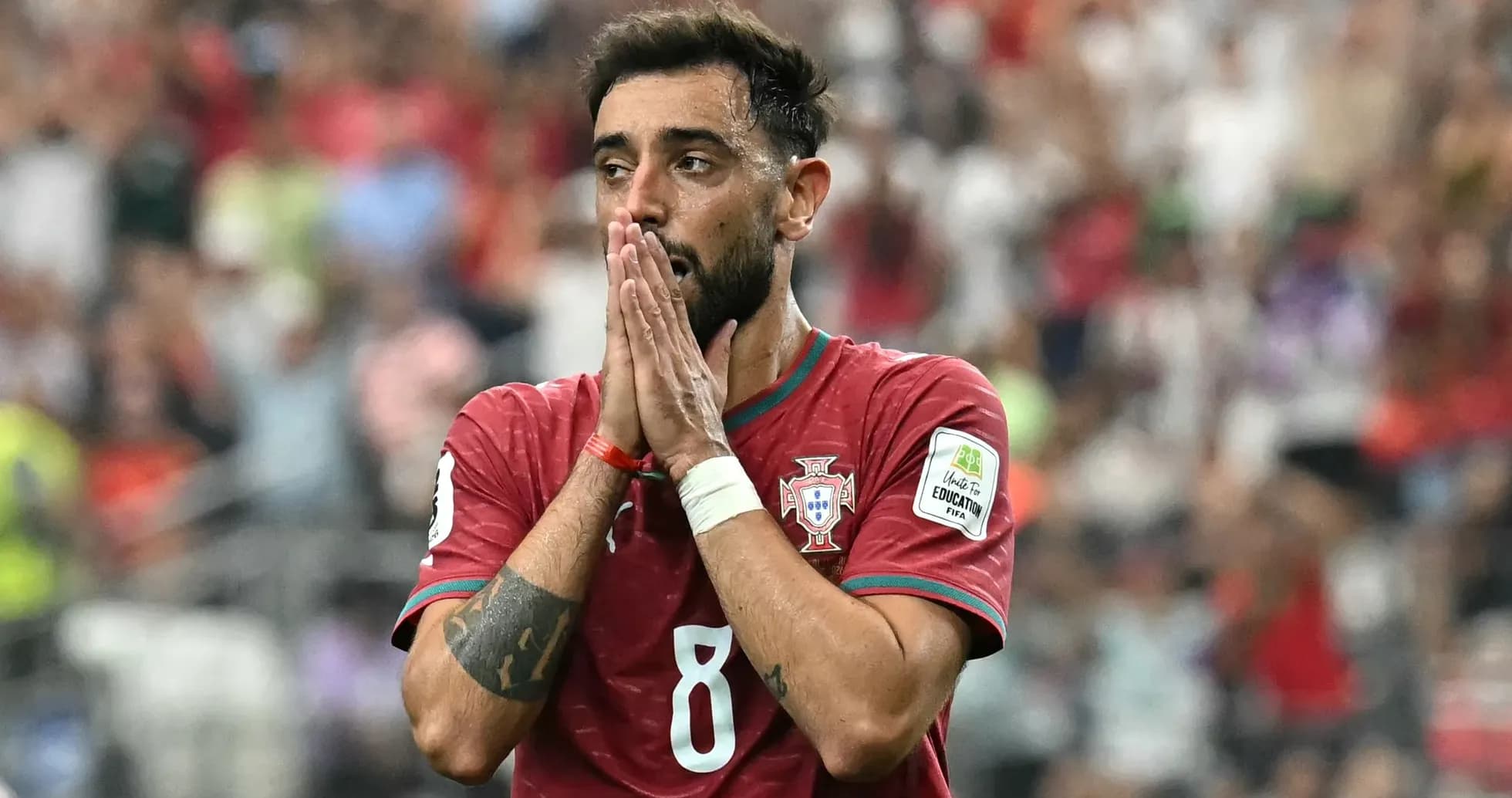
Bruno Fernandes chose his moment.
The Manchester United midfielder, who had spent the tournament publicly backing Portugal’s chances of going all the way, finally addressed the heartbreak with a message on X. There was no attempt to soften the blow, no gloss applied to a brutal ending.
“Sad, frustrated, and disillusioned,” he wrote.
Those three words set the tone. Fernandes admitted that this particular group had raised his expectations, not just because of their individual brilliance but because of what they had built together over the years in the national shirt. This was not simply another campaign that fell short; it was a project, a collective belief, punctured at the knockout stage.
He used his post to look inward and outward at the same time. Inward, to the dressing room: a heartfelt thank you to the players, the coaching staff, and every member of the backroom team who had lived the World Cup with them day after day. Outward, to a country that had travelled with them emotionally, if not physically.
“To all the Portuguese people,” he added, “a huge thank you for your support and belief.”
No excuses. No deflection. Just raw disappointment and gratitude stitched into a few lines.
For Portugal, the exit to Spain will linger, not just because of the late goal but because of what this squad represented: depth, experience, and a sense that the time might finally be right. Instead, they leave with regret, a coaching change, and a core of players who must decide whether this was the end of something—or the painful jolt that forces a new beginning.