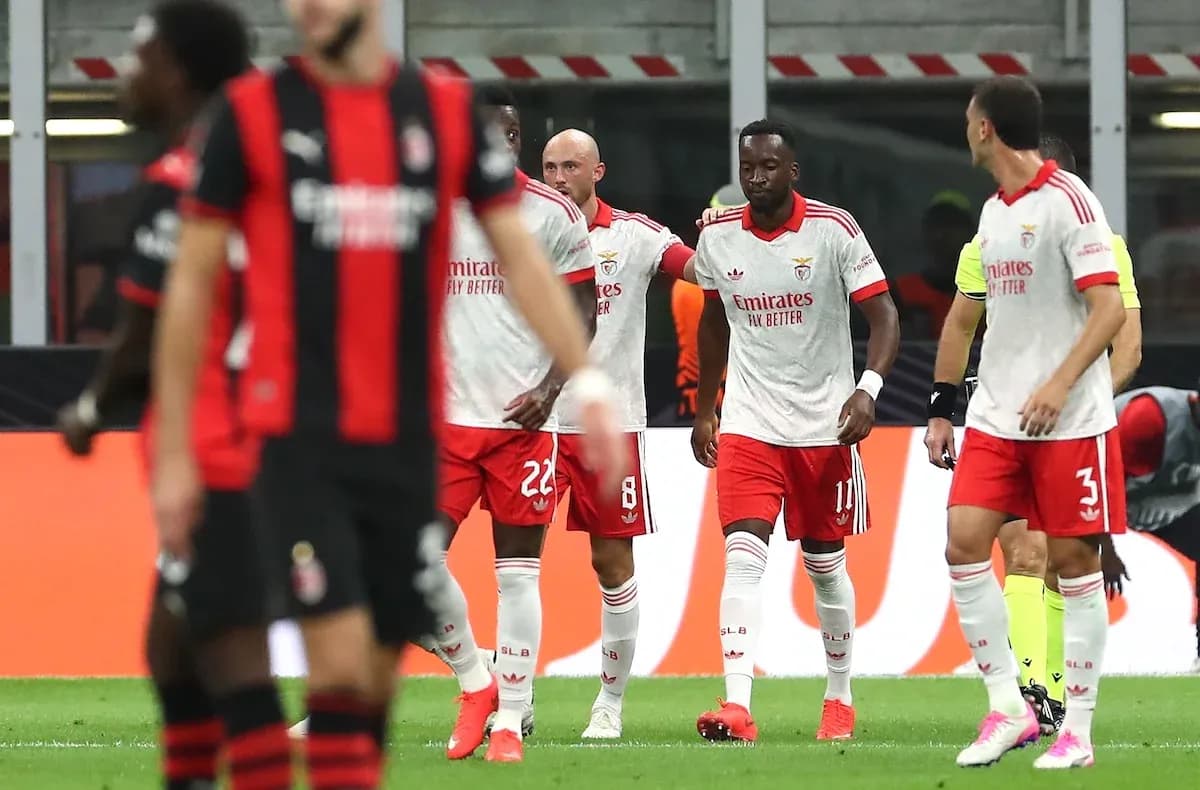
Pafos vs HNK Hajduk Split: UEFA Europa League Qualifier
Pafos host HNK Hajduk Split at Alphamega Stadium in Limassol in the 2nd Qualifying Round of the UEFA Europa League, needing a strong home performance to overturn their early deficit in this tie and keep their 2026 European campaign alive.
Head-to-Head Tactical Summary
The sides have met once so far in this tie: on 23 July 2026 at Stadion Poljud in Split, HNK Hajduk Split, playing at home, beat Pafos 2–0 after a goalless first half (half-time 0–0, full-time 2–0). Hajduk’s ability to raise their intensity after the break and convert second-half control into goals is the clear tactical marker from that first leg.
Global Season Picture
- League Phase Performance: There is no group-stage or league-table data yet for either side in the UEFA Europa League; both are at the qualifying stage, so their European picture is defined only by early qualifying fixtures rather than a full standings profile of goals for, goals against, and points.
- Season Metrics: In the league phase as represented by current Europa League qualifying data, Pafos have played 1 match, losing it 2–0 away, with no goals scored and 2 conceded, and they failed to score in that outing. Their only recorded setup is a 3-4-3, and they picked up 2 yellow cards, both in the second half, indicating some reactive defending once behind. HNK Hajduk Split have a broader early sample: 3 matches (2 at home, 1 away), with 2 wins and 1 defeat. They have scored 5 goals (4 at home, 1 away) and conceded 2 (none at home, 2 away), with 2 clean sheets from their home games. Their typical structure is a 4-2-3-1 across all three fixtures, and their disciplinary profile shows 7 yellow cards, heavily concentrated late in games (over half in the final quarter of an hour), suggesting aggressive game management when protecting leads.
- Form Trajectory: Pafos show a single recorded result, a loss, so their European form line is a flat negative start with no attacking output and immediate pressure to respond. Hajduk’s “WLW” pattern indicates an early-season profile of resilience: they have already reacted once to a defeat with a win, and their two victories have come without conceding at home, while their only setback was an away loss, underlining a clear home–away contrast that Pafos will try to exploit in Limassol.
Tactical Efficiency
Without a formal comparison index provided, the tactical balance has to be inferred from the early-season statistics. Pafos’ single 3-4-3 outing produced no goals and saw them concede twice away, with no clean sheet and one recorded losing streak. The structure suggests a willingness to commit numbers forward, but the lack of goals and the fact they failed to score despite that attacking shape points to low conversion efficiency and vulnerability in transition. Hajduk’s 4-2-3-1 over three matches has yielded 1.7 goals per game and only 0.7 conceded, with two clean sheets and no failures to score. That combination of steady scoring and defensive control, particularly at home, reflects a more balanced and efficient system. The card distribution further underlines this: Pafos’ bookings clustered in the 46–75 minute window imply they were stretched as the match opened up, whereas Hajduk’s late yellow-card spike suggests they are often in a position to manage out leads, even at the cost of tactical fouls. Overall, Hajduk’s attack and defense are operating at a higher early-season efficiency level, while Pafos are still searching for both an end product and stability at the back.
The Verdict: Seasonal Impact
This second leg carries significant seasonal weight for both clubs. For Pafos, overturning the 2–0 deficit at home would transform a poor European start into a landmark progression, extending their continental calendar and boosting both revenue and club profile; failure to do so would end their Europa League journey at the first hurdle, forcing them to pivot focus entirely to domestic objectives. For HNK Hajduk Split, successfully managing this away leg would confirm their early-season profile as a side capable of coupling solid defensive structure with enough attacking threat to navigate qualifiers, keeping them on course for the main Europa League stages and the financial and sporting upside that entails. Given Hajduk’s stronger early metrics and the existing two-goal cushion, Pafos need an above-trend attacking performance and a rare clean sheet to shift the trajectory of their 2026 campaign; otherwise, this tie is likely to reinforce Hajduk’s status as the more mature, Europe-ready side heading into the later qualifying rounds.