Spokane Velocity Secures 2–1 Victory Over Boise in USL League One Cup
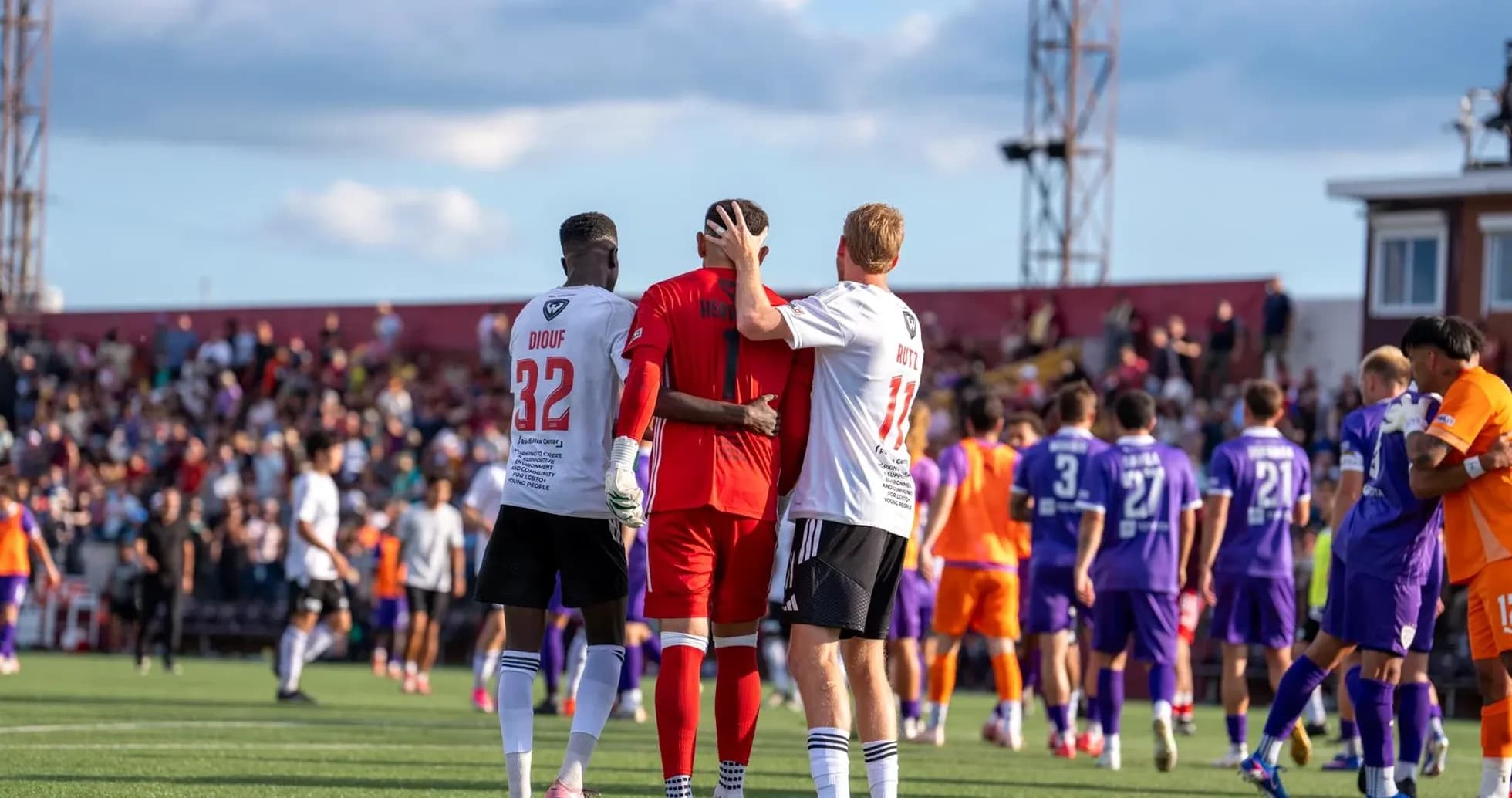
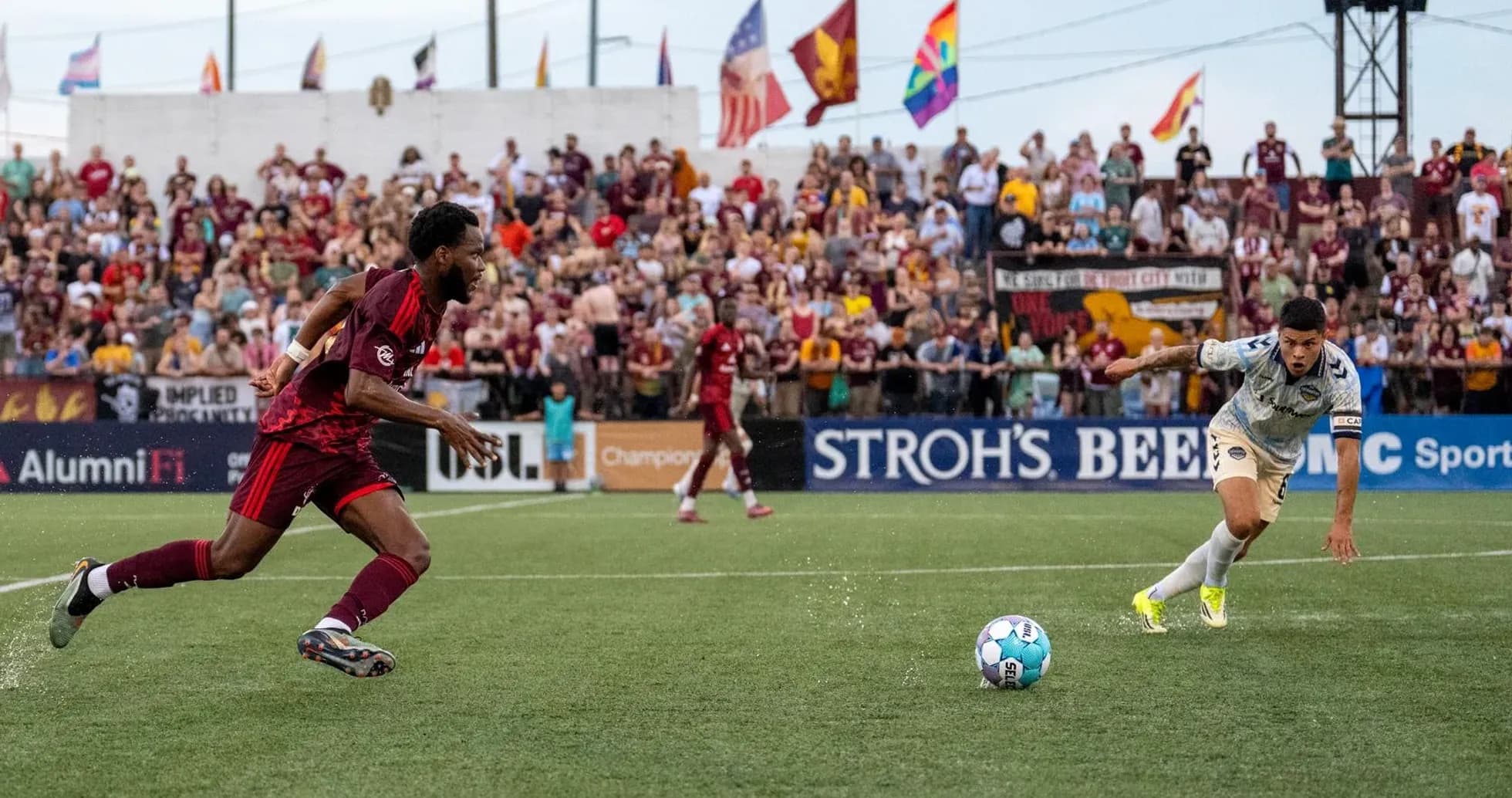
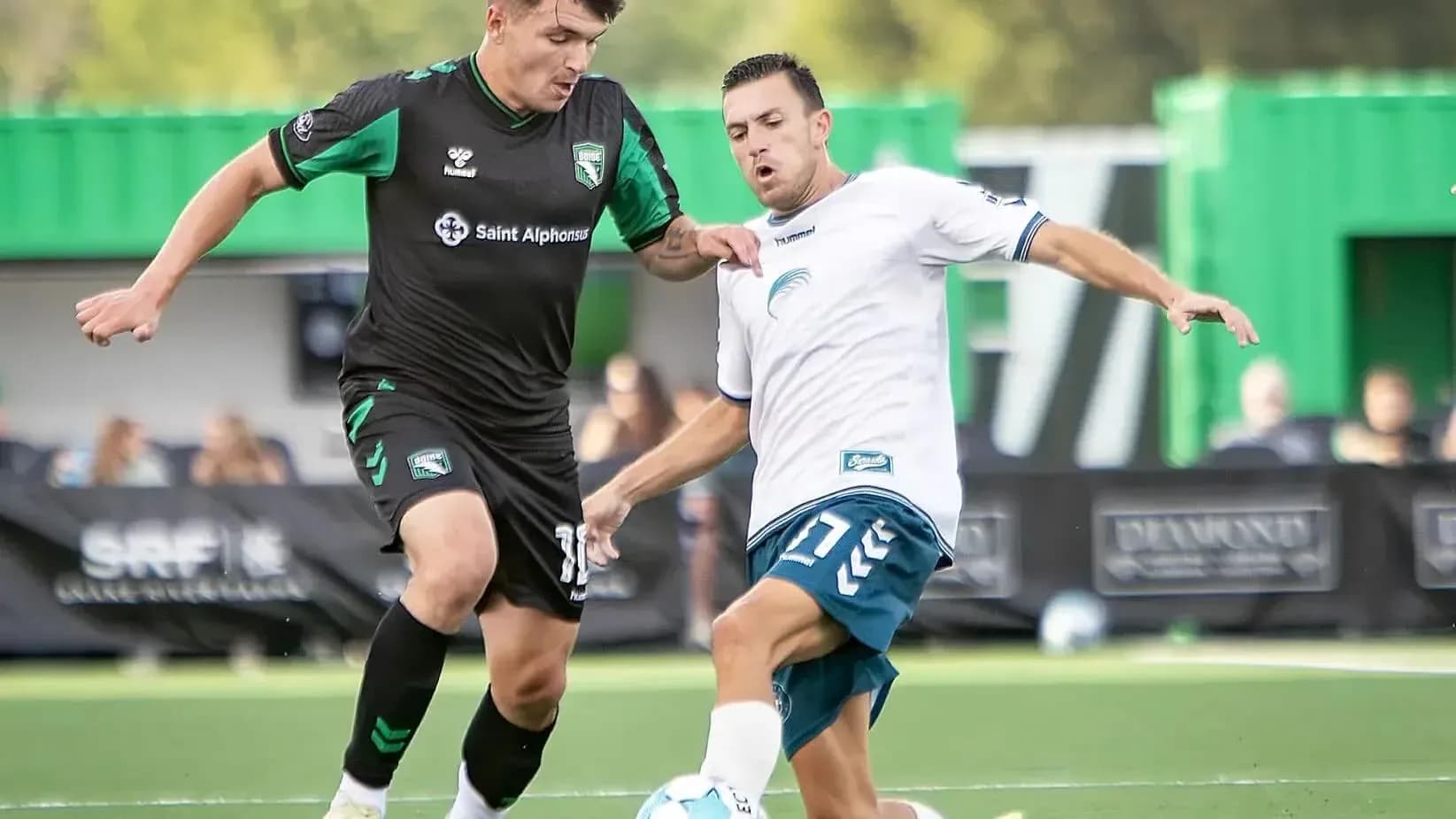
Under the lights at One Spokane Stadium, Spokane Velocity’s 2–1 win over Boise felt less like a routine group-stage fixture and more like an early statement in the USL League One Cup. In a competition where margins are thin and form is still forming, this was a meeting of contrasting football identities: Spokane’s controlled, defense-first edge at home against Boise’s more open, goal-heavy approach.
Heading into this game, the table already framed the narrative. Spokane sat 2nd in Group 1 with 6 points from 3 matches, a curious profile of efficiency and fragility: 3 goals for and 5 against overall, giving them a goal difference of -2 despite two wins from three. At home, though, they were a different animal—2 wins from 2, with 3 goals scored and just 1 conceded. Boise arrived in 3rd with 5 points, a positive goal difference of 2 (10 scored, 8 conceded overall), their campaign defined by chaos rather than control: 7 goals for and 6 against in total league stats, and no clean sheets anywhere.
I. The Big Picture: Styles and Stakes
Spokane’s seasonal DNA in this Cup has been about making One Spokane Stadium a fortress. Their home average of 1.5 goals for and only 0.5 goals against per game underlines a side that knows how to manage matches in front of their own supporters. On their travels, they have yet to score and have conceded 4.0 goals per game, but that volatility disappears once they’re back on home turf.
Boise, by contrast, have leaned into high-scoring, high-risk football. Overall they average 2.3 goals for and 2.0 against per match, with a remarkable 4.0 goals scored and 3.0 conceded at home, and 1.5 scored and 1.5 conceded away. They came into Spokane with a two-game winning streak in the league stats and a reputation for turning matches into shootouts rather than stalemates.
In the end, the 2–1 scoreline to Spokane fit the underlying patterns: the hosts extended their perfect home record, while Boise again found the net but could not find defensive stability.
II. Tactical Voids and Discipline
There were no listed absences or questionable players in the data, so both managers effectively had full decks to play with. That matters for Spokane head coach Leigh Veidman, whose side’s discipline profile hints at where they walk the line.
Spokane’s yellow-card distribution this season is heavily weighted toward the middle of games: 42.86% of their yellows arrive between 61–75 minutes, with additional cards spread across 16–30, 31–45, 46–60, and even 91–105. They also have a single red card on the books, shown between 46–60 minutes. This paints a picture of a side that grows more combative as the match wears on, especially in the third quarter, when game states tighten and they protect narrow leads.
Boise’s bookings are more evenly spread but still telling. They have yellow cards in almost every 15-minute band from 0–90, with 33.33% between 31–45 and 16.67% in each of the 0–15, 46–60, 61–75, and 76–90 ranges. No reds yet, but the pattern suggests a team that can get stretched and resort to tactical fouls across the pitch, particularly late in the first half when they push forward.
In a tight 2–1, that discipline edge mattered. Spokane’s ability to stay just this side of chaos, especially at home, allowed them to close the game out without the kind of meltdown their card profile occasionally threatens.
III. Key Matchups: Hunter vs Shield, Engine Room vs Enforcer
Without formal top-scorer data, the “Hunter vs Shield” battle is more about collective tendencies than one talisman. For Spokane, the forward line of N. Brett, J. Gallardo, S. John-Brown, and L. Gil represents a balanced attacking unit rather than a single focal point. Their home record—3 goals in 2 matches—suggests that when they do score, it’s usually through well-constructed moves rather than individual heroics.
That group went up against a Boise defense anchored by J. Yaro and J. Crull, with J. Ricketts and N. Moon likely operating as full-backs. Boise’s away record of 1.5 goals conceded per match and zero clean sheets overall indicates a back line that can be exposed by intelligent movement rather than sheer volume of shots. Spokane’s 2 goals here reinforced that narrative: they didn’t need a barrage; they needed precision.
In the “Engine Room,” Spokane’s midfield triangle of C. Fernandez, D. Waldeck, and A. Lewis provided the structure. Fernandez and Waldeck, in particular, are the types who can both screen the back line and step into passing lanes, vital for a team that concedes only 0.5 goals per game at home. Their task was to disrupt Boise’s creative axis of D. Kostyshyn and B. Bodily, with P. Mayaka and M. Ndiaye offering legs and bite.
Boise’s attack—featuring the direct running of T. Amang and the movement of T. Moshobane—threatened to drag Spokane’s back line of S. Fitch, G. Margvelashvili, C. Miller, and D. Waldeck (when he drops in) into uncomfortable spaces. But the hosts’ defensive record at home suggested that, once set, they rarely lose their shape. The 2–1 final implies Boise broke through once, but Spokane’s structure held overall.
IV. Statistical Prognosis and Narrative Arc
From a pure statistical lens, this match looked primed for goals. Boise’s total average of 2.3 scored and 2.0 conceded per game, combined with Spokane’s 1.0 scored and 1.7 conceded overall, pointed toward an open contest. The eventual 2–1 fits a moderate-xG profile: Boise have yet to fail to score this campaign, and Spokane have failed to score only once, away from home.
Defensively, Spokane’s home solidity was the decisive factor. Conceding just 1 goal at home across 2 league matches heading into this fixture, they once again limited the damage to a single strike. Boise’s inability to keep a clean sheet anywhere—home or away—played out predictably as Spokane found two goals.
Following this result, the narrative sharpens. Spokane look like a side whose xG against at home is low, built on compact lines and a midfield that knows when to foul and when to funnel play wide. Boise remain an entertaining but vulnerable proposition: capable of scoring in any stadium, but just as likely to be undone by their own openness.
The tactical story, then, is of a group-stage contender maturing into a knockout-ready side. Spokane Velocity are learning how to win tight games at One Spokane Stadium. Boise, for all their attacking verve, still need to solve the riddle at the back if they are to turn their fireworks into something more enduring than a brave 2–1 defeat on the road.