Tottenham and Brighton Share Points in Premier League Stalemate
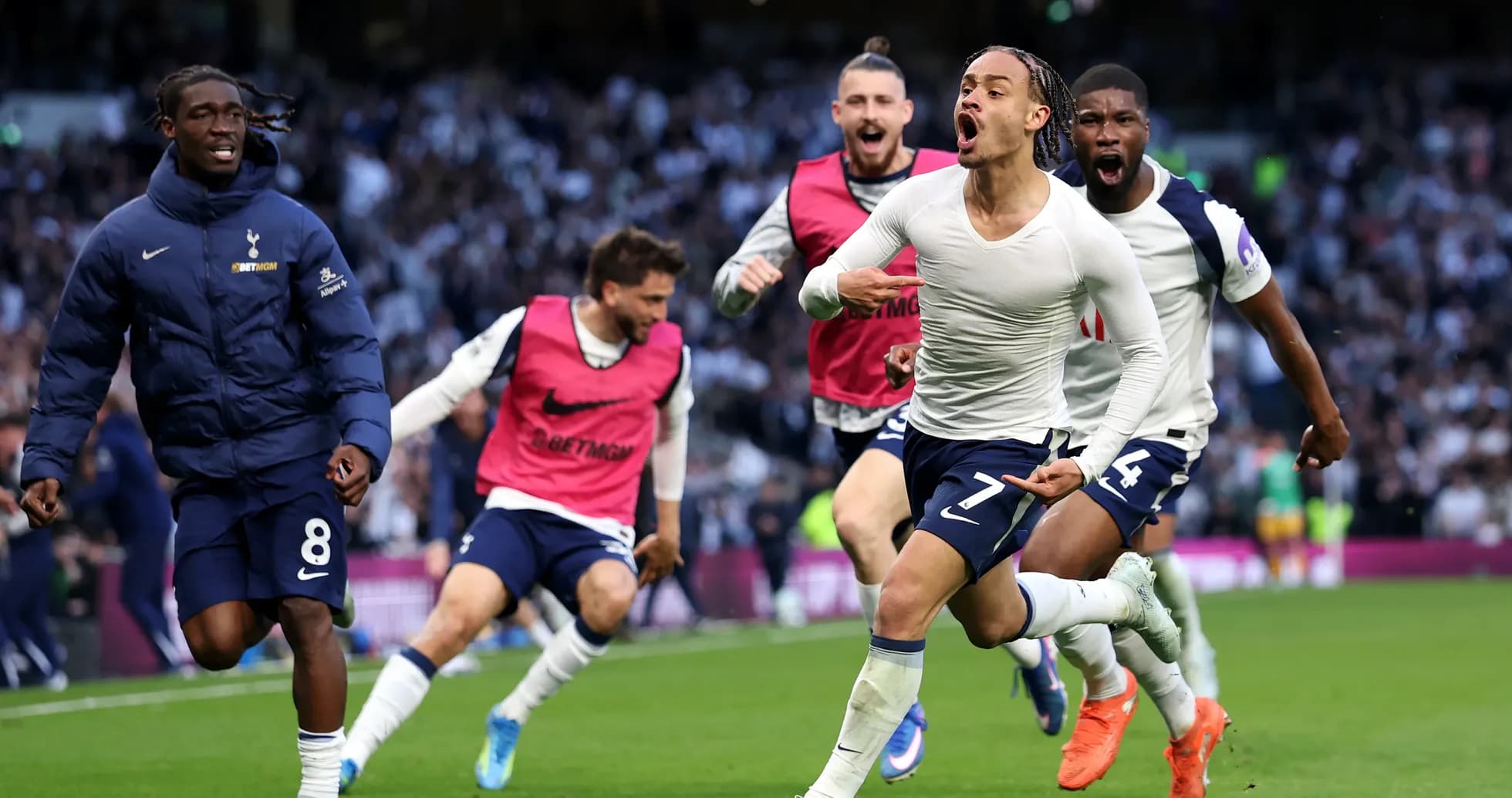
Under the grey London sky at Tottenham Hotspur Stadium, a meeting of opposites produced a fittingly tense stalemate. Tottenham, 18th in the Premier League and fighting for their lives, shared a 2-2 draw with 9th‑placed Brighton in Round 33, a result that encapsulated both sides’ seasonal DNA: Spurs chaotic and fragile, Brighton controlled yet imperfect.
I. The Big Picture – Styles Colliding in a Relegation Storm
Following this result, Tottenham remain mired in the relegation places on 31 points, with a goal difference of -11 (42 scored, 53 conceded overall). Their season has been defined by imbalance: they average 1.3 goals for per game overall, but concede 1.6, and at home that split is even more brutal – 1.2 scored against 1.8 allowed. Brighton arrive from a different universe. Ninth with 47 points and a positive goal difference of 6 (45 for, 39 against overall), they have built their campaign on a steady, possession-heavy structure, scoring 1.4 goals per game while conceding 1.2.
Those profiles were written clearly into the line‑ups. Tottenham, nominally a 4-3-3 under Roberto De Zerbi, leaned into verticality and direct threat. A. Kinsky started in goal behind a back four of P. Porro, K. Danso, M. van de Ven and D. Udogie. In midfield, C. Gallagher, R. Bentancur and Y. Bissouma formed a high‑energy trio, tasked with both pressing and carrying. Ahead of them, a fluid front three of X. Simons, D. Solanke and R. Kolo Muani promised constant movement rather than a single fixed reference point.
Fabian Hurzeler’s Brighton countered with their familiar 4-2-3-1. B. Verbruggen anchored a back line of M. Wieffer, J. P. van Hecke, O. Boscagli and F. Kadioglu. The double pivot of P. Gross and Y. Ayari offered control and progression, with D. Gomez and J. Hinshelwood operating as hybrid tens flanking Y. Minteh, all feeding the line‑leading D. Welbeck. It was a structure built to pass through pressure and draw Spurs into traps.
II. Tactical Voids – The Missing Pillars
This fixture was shaped as much by absences as by those on the pitch. Tottenham’s injury list stripped away both leadership and variety. G. Vicario’s groin injury handed the gloves to Kinsky, altering Spurs’ build‑up from the back. More damaging still was the loss of C. Romero (knee injury), one of the league’s most aggressive centre‑backs. His blend of front‑foot defending and aerial dominance has underpinned Tottenham’s better days; without him, Danso and van de Ven had to manage Welbeck’s movement and Brighton’s rotations without their most authoritative organiser.
In attack, the unavailability of M. Kudus, D. Kulusevski and W. Odobert robbed Spurs of dribbling and one‑v‑one threat from the right and left. It forced De Zerbi to double down on the creativity of Simons between the lines and the running of Kolo Muani and Solanke in behind, rather than rotating in different profiles from the bench.
Brighton’s own absentees shifted their defensive personality. L. Dunk, out through suspension for yellow cards, removed the side’s calmest presence in the back line. His season numbers – 10 yellows but also 26 blocked shots and 29 interceptions – underline how central he is to Brighton’s box defending. In his absence, van Hecke and Boscagli had to assume responsibility both for progression and last‑ditch work. The experience of J. Milner and the depth of A. Webster were also missing, thinning Hurzeler’s options if the game turned into an aerial siege.
Disciplinary trends added another layer. Heading into this game, Tottenham’s yellow cards peaked between 61-75 minutes, with 24.10% of their bookings arriving in that spell – a window where desperation and fatigue often collide. Brighton, by contrast, saw 28.40% of their yellows between 46-60 minutes, reflecting an aggressive restart after half-time. Those patterns framed a middle third of the match that always threatened to boil over.
III. Key Matchups – Hunter vs Shield, Engine Room vs Enforcer
The headline duel was always going to be D. Welbeck against a Romero‑less Spurs defence. Welbeck’s season – 12 goals from 32 league appearances – has been built on intelligent movement rather than sheer volume of shots. Against a back line conceding 1.8 goals per game at home, his ability to peel into the channels between Porro and Danso, or to drop short and link with Minteh and Gomez, constantly asked questions.
Without Dunk, Brighton’s “shield” became a committee. Van Hecke, one of the league’s most complete defenders this season, brought 27 blocked shots and 36 interceptions into this fixture, numbers that speak to his timing and anticipation. His duel with Kolo Muani and Solanke – both strikers who prefer to attack space rather than pin centre‑backs with their back to goal – defined how high Brighton could hold their line.
In midfield, the “engine room” battle was layered. For Spurs, Y. Bissouma’s role was pivotal. Against his former club, he was tasked with disrupting the rhythm of P. Gross, the metronome in Brighton’s double pivot. Gross arrived with 2214 passes at 92% accuracy across the season; allowing him to dictate tempo would have turned the match into a training drill for Brighton. Gallagher’s box‑to‑box energy and Bentancur’s press‑resistance were designed to swarm Gross and Ayari, forcing Brighton’s build‑up into wider, less comfortable zones.
Further ahead, X. Simons represented Tottenham’s primary creative outlet. With 5 assists, 32 key passes and 67 attempted dribbles this season, he is the player who bends Spurs’ attacks into shape. His duels with Ayari and the deeper‑dropping Gomez were crucial: if Simons could receive between the lines and turn, Spurs could attack Brighton’s full‑backs with Kolo Muani and Solanke running diagonally into the gaps left by Kadioglu and Wieffer.
For Brighton, D. Gomez brought a different kind of edge. His 77 tackles and 48 fouls committed underline his role as an aggressive disruptor. He is also one booking away from notoriety, with 9 yellow cards this season. His willingness to step into challenges on Simons or Bentancur risked cards, but also offered Brighton a way to break Tottenham’s rhythm at source.
IV. Statistical Prognosis – A Draw That Mirrors the Numbers
Strip away the emotion of a late‑season relegation fight, and the 2-2 scoreline at Tottenham Hotspur Stadium feels almost mathematically inevitable. Heading into this game, Tottenham’s home profile (1.2 scored, 1.8 conceded per match) and Brighton’s away record (1.2 scored, 1.3 conceded) point towards a contest rich in chances at both ends. Spurs’ season‑long failure to keep things tight – only 2 home clean sheets in 17 – collided with a Brighton side that has scored 21 goals on their travels but also conceded 22.
Add in the disciplinary data, and the script sharpens. Tottenham’s tendency to collect yellows late (a 61-75 minute surge) and Brighton’s spike just after half-time hinted at a second half where fouls, transitions and broken play would dominate – the exact conditions in which chaos‑leaning teams like Spurs both thrive and suffer.
From an Expected Goals perspective, the underlying numbers would almost certainly have reflected that balance: Tottenham generating decent volume through Simons’ creativity and the movement of Solanke and Kolo Muani, Brighton carving out structured chances through Welbeck’s runs and Gross’s service. Neither side, by profile, is built to suffocate games; both are built to trade punches.
Following this result, the broader prognosis is starkly different for each camp. For Brighton, a point away from home is another data point in a stable, upward‑looking season, consistent with an away average of 1.2 goals scored and 1.3 conceded. For Tottenham, though, it is another night where attacking flashes could not overcome structural fragility. Their overall record of 7 wins, 10 draws and 16 losses after 33 matches underlines a team that rarely turns volatility into control.
The narrative, then, is of two clubs at different stages of their journeys, briefly meeting in the same storm. Brighton leave with their identity intact. Tottenham, still staring at the trapdoor, must now find a way to turn this kind of open, entertaining contest into the cold, efficient wins that survival demands.