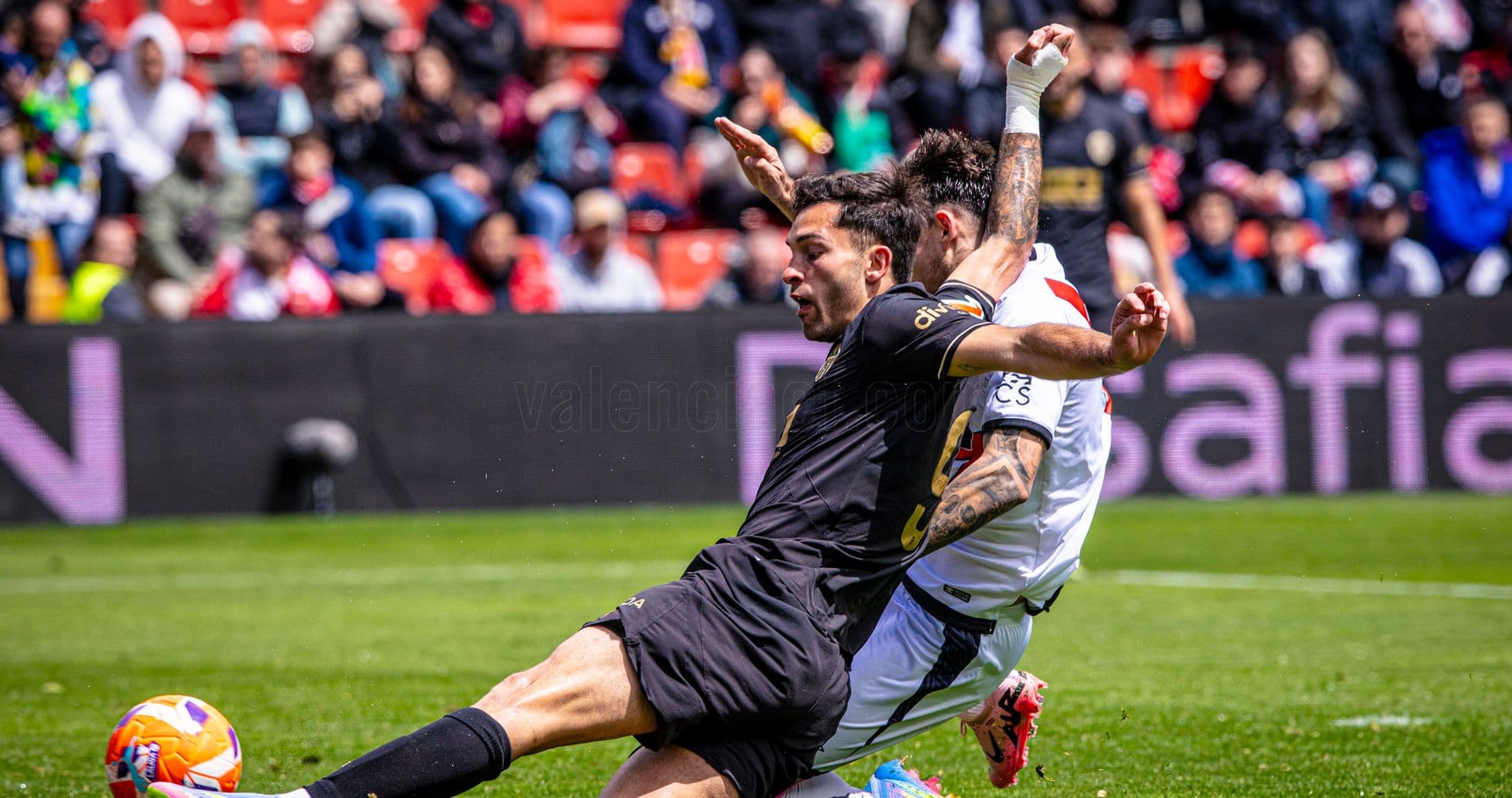
Valencia and Rayo Vallecano Share Points in Tactical Stalemate
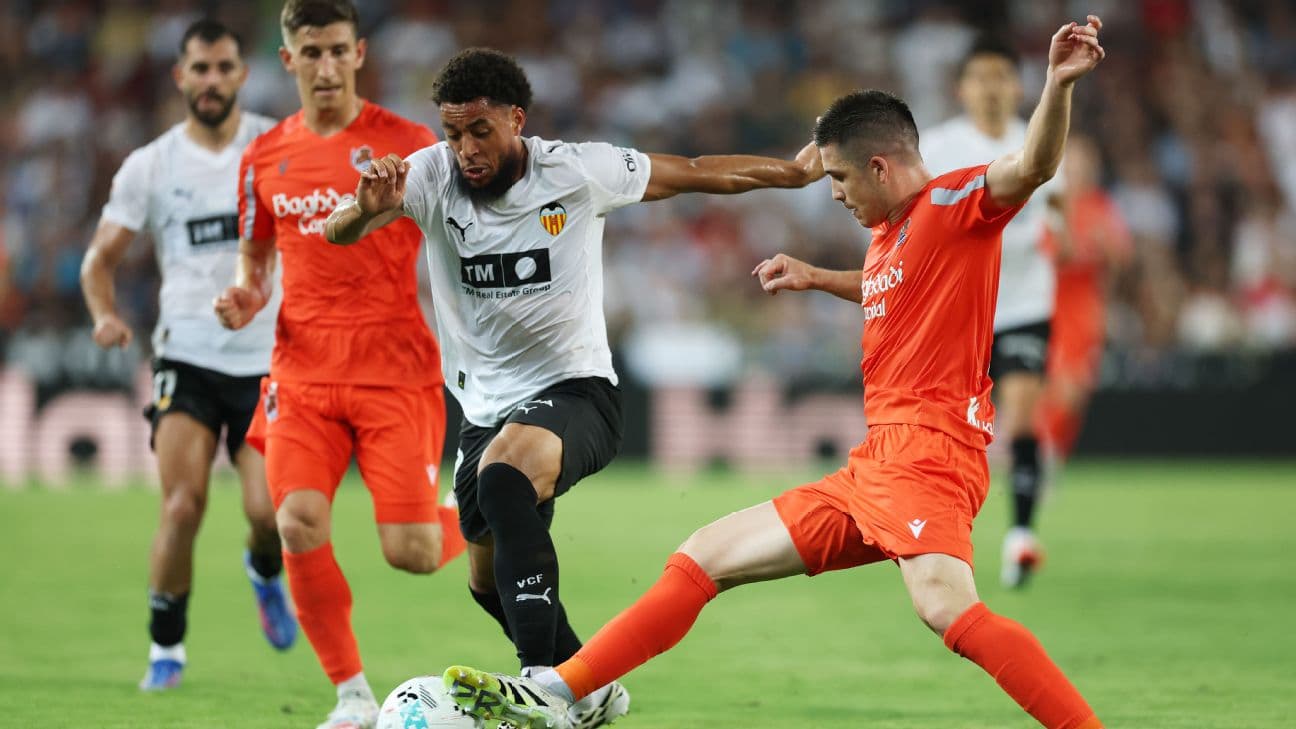
Estadio de Mestalla under the late-season sun, La Liga’s Regular Season - 36, and two sides separated by a single point in the table: this was less a dead rubber than a duel for status. Following this result, Rayo Vallecano stay 10th on 44 points, Valencia 11th on 43, locked in a 1-1 draw that mirrored their season-long balance between ambition and limitation.
Over 36 matches in total, Valencia have scored 39 and conceded 51, a goal difference of -12 that tells of a team still in transition under Carlos Corberan. At home they have been more assured: 7 wins, 6 draws and 5 defeats from 18, with 24 goals for and 22 against, averages of 1.3 scored and 1.2 conceded at Mestalla. Rayo arrive as a mirror image of caution and volatility: 37 goals for and 43 against overall (goal difference -6), but with a stark split between a tight home side and a more fragile away outfit. On their travels they have 4 wins, 4 draws and 10 defeats, scoring 15 and conceding 28, an away average of 0.8 goals scored and 1.6 conceded.
I. The Big Picture – Two Identities, One Stalemate
Corberan doubled down on Valencia’s most-used shape this season, the 4-4-2 that has started 22 league matches. S. Dimitrievski in goal, a back four of Renzo Saravia, C. Tarrega, E. Comert and José Gayà, with a flat but flexible midfield: D. Lopez and Pepelu centrally, G. Rodriguez and Luis Rioja on the flanks. Up front, Hugo Duro and Javi Guerra formed a hybrid pairing – one classic striker, one roaming connector.
Inigo Perez answered with Rayo’s own default identity: a 4-2-3-1, the formation they have used 22 times in total. A. Batalla behind a back four of I. Balliu, F. Lejeune, N. Mendy and P. Chavarria; O. Valentin and G. Gumbau as the double pivot; F. Perez, P. Diaz and Pacha supporting lone forward R. Nteka.
The 1-1 scoreline, with both goals arriving before the interval and a half-time score of 1-1, reflected the broader numbers. Valencia’s total scoring average of 1.1 per game and Rayo’s 1.0 were never likely to produce a goal glut; instead, the match became a tactical arm-wrestle, with each side probing the other’s structural weaknesses.
II. Tactical Voids – Who Was Missing, and What That Meant
Valencia came into this fixture shorn of depth and defensive experience. L. Beltran (knee), J. Copete (ankle), M. Diakhaby (muscle) and D. Foulquier (knee) were all listed as Missing Fixture. In practical terms, that stripped Corberan of a natural rotation option at right-back and a powerful central defender, forcing greater responsibility onto Tarrega and Comert and making Gayà’s leadership on the left even more central.
Rayo’s absences skewed their attacking and defensive balance. I. Akhomach (muscle), A. Garcia, Luiz Felipe, D. Mendez (knee) and, crucially, I. Palazon (suspended after a red card) were all unavailable. Palazon’s season tells its own story: 3 goals, 3 assists, 10 yellow cards and 1 red in 31 appearances, plus 2 penalties scored and 1 missed. His blend of risk-taking creativity and disciplinary edge was absent, pushing more creative burden onto F. Perez and Pacha in the line of three.
Disciplinary trends framed the undercurrent. Heading into this game, Valencia’s yellow-card distribution peaks late: 22.86% of their yellows arrive between 76-90', and a further 15.71% in 91-105'. Rayo, meanwhile, are consistently combative across the second half, with 19.19% of yellows between 46-60' and another 19.19% from 61-75', plus a notable 16.16% in added time. Both sides are also familiar with red: Valencia have seen Gayà sent off once this season, while Rayo’s spine is marked by dismissals for P. Ciss, N. Mendy and Palazon. It was no surprise that the game’s tempo in the final quarter-hour felt edgy, even if the scoreboard did not move.
III. Key Matchups – Hunter vs Shield, Engine Room vs Enforcer
The standout attacking “hunter” on the pitch belonged to Rayo, even if he started on the bench: Jorge de Frutos, their 10-goal top scorer this season. With 47 shots (26 on target) and 27 key passes in 34 appearances, he has been their primary end-product. His presence in the squad but not the XI gave Perez a potent second-half card to play, especially against a Valencia defence that concedes 1.4 goals per game in total.
Yet Valencia’s “shield” at Mestalla has been sturdier than their overall goal difference suggests. Four home clean sheets and only 22 goals conceded in 18 home matches underscored why Corberan trusted a settled back four. Gayà, beyond his red card earlier in the season, has been a defensive leader: 69 tackles, 7 blocked shots and 23 interceptions in the league, numbers that fed into Valencia’s ability to keep Rayo largely at arm’s length in open play.
The true battleground, though, was the engine room. For Valencia, the creative and connective axis ran through Luis Rioja and Javi Guerra. Rioja’s 6 assists and 37 key passes from midfield, combined with 61 dribble attempts (35 successful), made him the primary outlet on the left. Guerra’s 6 assists and 29 key passes, plus 6 blocked shots and 23 interceptions, defined him as a two-way midfielder capable of breaking lines and then immediately helping to close them.
Opposite them, G. Gumbau and O. Valentin were tasked with smothering that influence. Behind them loomed the physical presence of N. Mendy, a defender who has blocked 21 shots this season and collected 8 yellow cards and 1 straight red. Mendy’s aggressive front-foot defending – 27 tackles, 21 interceptions – is both a weapon and a risk; at Mestalla he again walked that line, stepping out to confront Guerra between the lines and contesting aerial duels with Duro.
Without Palazon, Rayo’s creative load shifted more onto F. Perez and P. Diaz. Their role was to find pockets between Pepelu and D. Lopez, dragging Valencia’s double pivot out of shape and opening lanes for Nteka. When de Frutos entered from the bench, his 55 dribble attempts and 26 successful take-ons this season added a new dynamic: a direct runner attacking tired legs in wide areas, particularly targeting Saravia’s flank.
IV. Statistical Prognosis – A Draw Written in the Numbers
Following this result, the table barely budged, and the numbers suggest that is fitting. Valencia’s total averages of 1.1 goals scored and 1.4 conceded, set against Rayo’s 1.0 for and 1.2 against, always pointed to a tight encounter. Rayo’s away fragility – 28 goals conceded in 18 trips – was balanced by Valencia’s own limitations in attack, especially once the early exchanges had passed.
With both sides perfect from the spot this season – Valencia 5 penalties scored from 5, Rayo 3 from 3 – there was always a possibility that a single box incident would tilt the xG and the scoreboard. Instead, the game settled into a pattern of half-chances and territorial swings, more about control than chaos.
From a tactical lens, the draw feels like the logical outcome of two mid-table teams whose statistical profiles converge: Valencia’s reliance on structured 4-4-2 patterns and wing creativity, Rayo’s compact 4-2-3-1 and disciplined (if occasionally ill-tempered) block. The late-game yellow surges that usually define their seasons threatened to crack the contest open, but in the end, Mestalla witnessed a stalemate that underlined why these two sides sit 10th and 11th – competitive, coherent, but still a tier below the division’s ruthless elite.