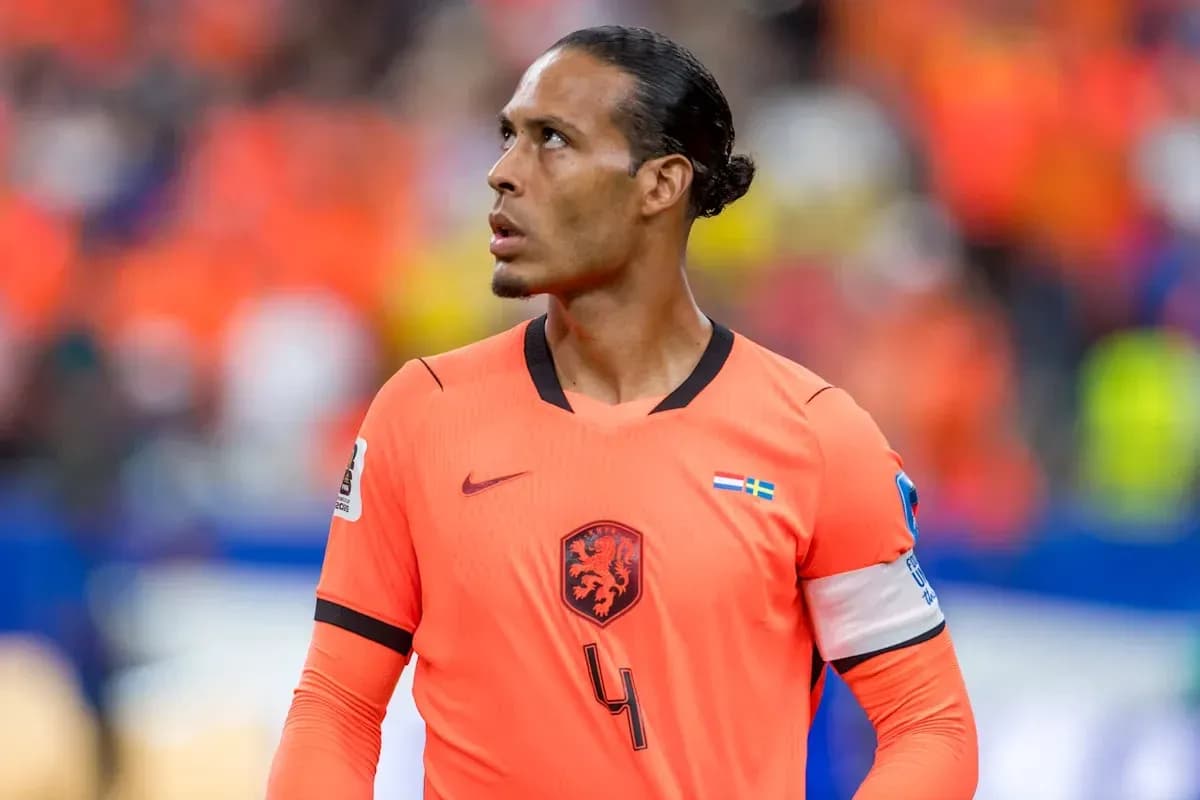
Virgil van Dijk Faces Harsh Criticism After World Cup Exit
The Netherlands did not just crash out of the World Cup. They imploded in slow motion, then woke up to find the finger of blame pointing squarely at their captain.
A late Moroccan equaliser, extra-time agony, defeat on penalties – the script was brutal enough. What followed for Virgil van Dijk back home has been even harsher.
In the pages of De Telegraaf, one of the country’s loudest voices took aim at the Liverpool defender with a ferocity rarely reserved for a player of his stature. Valentijn Driessen, never shy of a headline, delivered a verdict that cut through the usual post-tournament analysis and went straight for the legacy.
“Ronald Koeman and Virgil van Dijk have betrayed everything our national team stands for,” he wrote, accusing the captain and his coach of abandoning Dutch principles both tactically and defensively.
System, shape – and a captain in the crosshairs
For Driessen, this was not just about one mistimed step in stoppage time. He painted a picture of a national side bent out of shape to accommodate its leader.
The columnist argued that Koeman’s decision to switch to a back three during the tournament stemmed from Van Dijk’s failure to organise the defence properly in the group stage. In his eyes, the captain had become the reason for tactical compromise rather than the solution to it.
Then came the decisive moment against Morocco.
With the Dutch clinging to their lead deep into stoppage time, Morocco surged forward. The cross came in, the run was made, and Van Dijk – usually the calmest figure in any penalty area – lost his man. The equaliser changed everything. Extra time, then penalties, then elimination.
For Driessen, that was enough. He went further still, declaring that Van Dijk’s “time is up” at international level – a stark line for a player who has long been the face of this Dutch generation.
The reaction underlines the sense of waste around a campaign many in the Netherlands believed could carry them far deeper into the tournament. Instead, they are left arguing over the captain’s role in a single defensive lapse.
One mistake – or a wider failure?
Strip the emotion away and the picture looks more nuanced.
Van Dijk will know better than anyone how damaging that equaliser felt. This is a defender who built his career on reading danger early, on dominating his box, on making sure those runs never materialise. To be caught out in that moment, on that stage, cuts against everything he represents.
But to reduce the Netherlands’ World Cup exit to one misjudged movement is to ignore the rest of the night. The Dutch had chances to kill the tie long before Morocco’s late surge. They controlled long spells, managed the game, and for most of normal time, Van Dijk did what he has done for years: headed clear, stepped in front, won his duels, calmed those around him.
Tournament football rarely offers second chances. It turns on inches and instants. This time, the small margins went the other way.
The injury detail that changes the picture
After the dust settled, Ronald Koeman added a detail that complicates the narrative around his captain.
The Netherlands manager admitted Van Dijk had been struggling with a calf problem late in the game. It was “bothering him badly”, yet the defender stayed on, pushed through extra time, and tried to lead his side to the semi-finals on one good leg.
For a central defender, that matters. Calf pain strips away acceleration, sharp turns, the ability to recover when someone darts across your blind side in the 120th minute. Those are precisely the margins that decide whether a cross is cleared or converted.
Van Dijk could have signalled to come off. He did not. He chose to stay on in obvious discomfort, to carry the armband and the responsibility until the final whistle. That decision will divide opinion: heroic commitment to the cause, or a risk that backfired at the worst possible time. But it does offer context that the more ferocious criticism simply brushes aside.
Legacy under attack, response to come
The scale of the backlash jars with the defender’s body of work. For more than a decade, Van Dijk has operated at the top of European football, anchoring Liverpool’s greatest modern side and serving as the reference point for his country’s back line. Leadership, consistency, composure under pressure – those traits are not erased by one chaotic evening.
Yet international football is emotional. Captains carry the weight when it all goes wrong, and in the Netherlands that weight is heavy. When a campaign ends with a shock exit, someone pays the price in the court of public opinion. This time, Driessen has decided it should be Van Dijk and Koeman.
The immediate future for the defender lies away from the orange shirt. He now steps back into club life, with time to let the calf heal and the noise die down. The World Cup exit will linger, though. So will the words printed back home.
The next Dutch cycle will bring new decisions: about systems, about coaches, about leaders. Whether Driessen’s brutal assessment truly reflects the broader mood in Dutch football is unclear. What is certain is that when Van Dijk next walks out for the Netherlands, every step, every duel, every ball in his penalty area will be judged against this night – and against the accusation that his time at the top for his country has already passed.