Como Dismantles Lens 9-1 in UEFA Champions League Clash
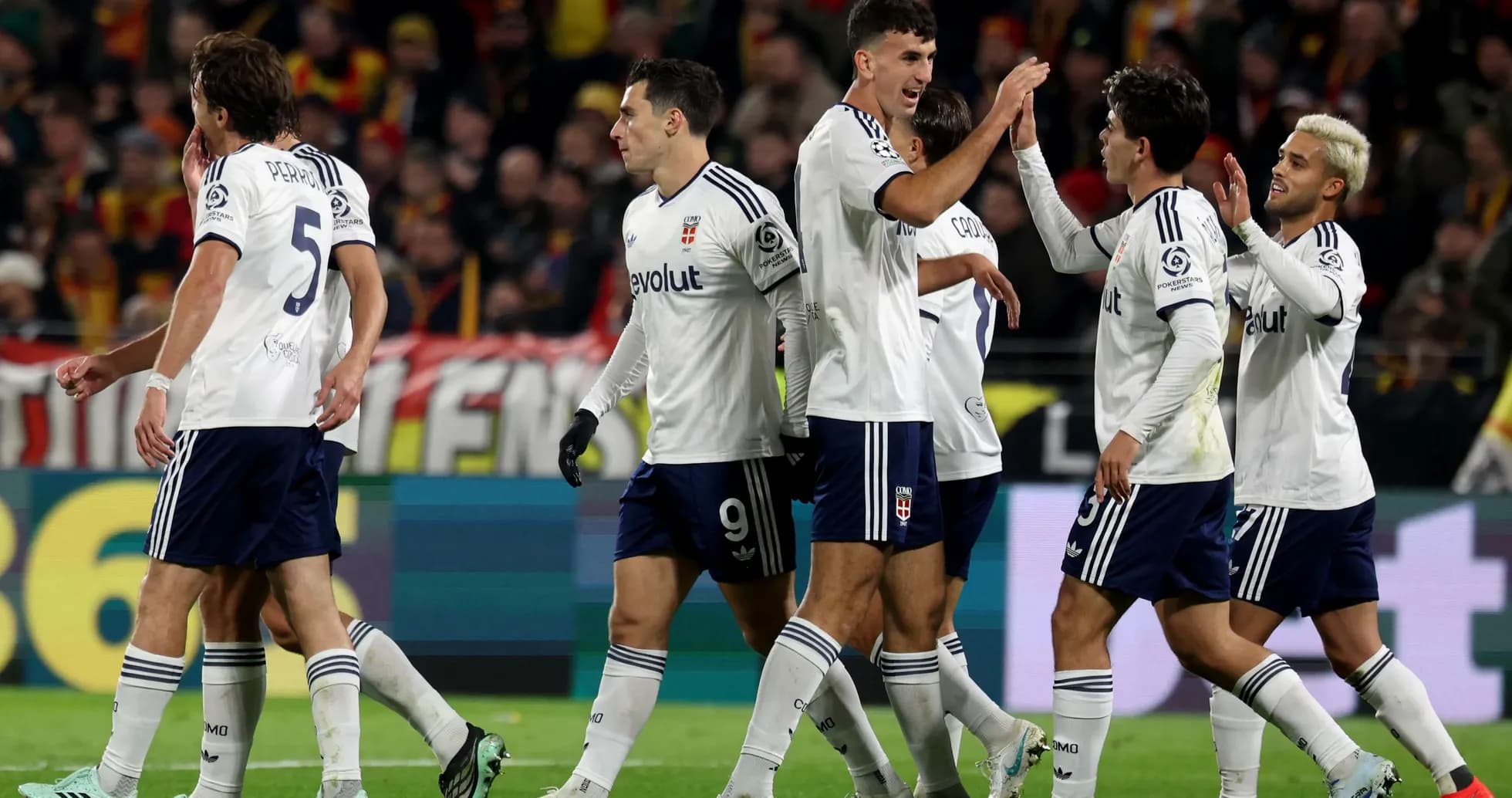
Under the cold lights of Stade Bollaert-Delelis, this League Stage - 4 fixture in the UEFA Champions League did not just tilt; it collapsed in one direction. Lens, ranked 33rd heading into this game, were dismantled 9-1 at home by a ruthless Como side that arrived as the competition’s fourth-placed juggernaut and left having fully justified their position.
The broader seasonal context already hinted at danger for Yannick Cahuzac’s team. Overall this campaign, Lens had scored 4 and conceded 16 in the Champions League, giving them a goal difference of -12 from 4 matches. At home, the numbers were even more alarming: 1 goal for, 11 against across 2 fixtures, an average of 0.5 goals scored and 5.5 conceded at Stade Bollaert-Delelis. Their late attacking profile – 40.00% of their goals between 61-75 minutes and another 40.00% from 76-90 – was constantly undermined by a defensive structure that collapsed after the break, with 31.25% of goals conceded between 46-60 minutes and 25.00% between 61-75.
Como arrived as the mirror opposite. Overall, they had 19 goals for and 6 against, a goal difference of +13 from 4 games. On their travels, they had already scored 11 and conceded 4, averaging 5.5 goals per away game and 2.0 conceded. Their biggest away win in the competition was that same 1-9 scoreline, underlining that this was not a freak event but the extreme expression of a pattern: Cesc Fabregas has built a side that overwhelms you, particularly away from home, with verticality and relentless occupation of the final third.
Cahuzac stuck to a 3-4-2-1 that has been Lens’ default in Europe, but the personnel sheet told its own story of attrition. A cluster of absences – J. Chavez (coach’s decision), O. Edouard (groin injury), I. Ganiou and M. Nawrocki (both knee injuries), A. Sima and J. Addai (muscle injuries), plus I. Jourdren (off the roster) – stripped away depth and alternative profiles. The back three of R. Aguilar, S. Baidoo and K. Antonio protected youngster R. Risser in goal, with M. Udol and M. Skoras as wing-backs and a central duo of M. Cuisance and A. Haidara trying to knit play. Ahead, F. Thauvin and T. Hazard floated behind F. Ivanovic.
On paper, that front trio should have offered guile between the lines and diagonal runs to stretch Como’s back four. In reality, the structure never stabilised. With no clean sheets at home or away and having failed to score in half of their Champions League matches overall, Lens needed control in midfield to slow the game’s tempo. Instead, the 3-4-2-1 often became a 5-2-3 pinned deep, with the wing-backs forced into their own third and Cuisance and Haidara outnumbered.
Fabregas’ 4-2-3-1, by contrast, looked like a system built specifically to tear apart a back three that defends space poorly. J. Butez anchored a back line of Y. Couto and A. Valle as aggressive full-backs, with J. Ramon and M. O. Kempf as the central pairing. The double pivot of M. Perrone and L. Milla provided the platform: Perrone stepping to press, Milla orchestrating the first pass.
Ahead of them, the trio of L. Da Cunha, N. Paz and M. Caqueret formed the creative engine that Lens never managed to track. Paz in particular arrived at Stade Bollaert-Delelis as one of the competition’s standout midfielders: 3 goals and 5 assists in 4 appearances, with 187 passes at 85% accuracy, 7 key passes, 17 dribble attempts with 10 successful, and 11 tackles plus 2 blocked shots. He is both playmaker and presser, hunter and shield. Every time Lens tried to step out, he was there – either to break their line with a dribble or to win the ball back with one of his 31 duels won from 58 overall.
Ahead of him, T. Douvikas embodied Como’s cutting edge. The competition’s top scorer so far, he had 6 goals and 1 assist in 4 games, converting 7 of his 9 shots on target. His movement was perfectly suited to attacking the soft underbelly of Lens’ defensive timings. Where Lens concede heavily just after half-time (31.25% of goals allowed between 46-60) and again in the 61-75 window (25.00%), Douvikas thrives on those broken phases: quick counters when the opposition steps up a fraction too late. With M. Caqueret and L. Da Cunha sliding passes into the channels, Como repeatedly isolated Douvikas against a scrambling back three.
The disciplinary trends of both sides only deepened the divide. Lens’ yellow cards overall are concentrated in the 31-45 (28.57%), 61-75 (42.86%) and 76-90 (28.57%) windows, a sign of a team increasingly reactive and stretched as matches progress. Como’s bookings cluster after the break as well – 33.33% between 46-60 and 33.33% from 61-75 – but they arrive from a position of dominance, fouls used as tactical resets rather than desperation lunges.
The “Hunter vs Shield” duel here was brutally one-sided. Lens’ “shield” has conceded 16 overall at an average of 4.0 per game, including 11 at home; Como’s “hunters” in attack have 19 overall at 4.8 per game, with 11 on their travels. When your defensive line leaks at 5.5 goals per home game and you face an attack averaging 5.5 away, the margins for error disappear.
In the engine room, Cuisance and Haidara never found the rhythm to disrupt Milla and Perrone or to get tight enough to Paz. Without sustained possession, the creative burden on Thauvin and Hazard became impossible; they were forced to receive under pressure with their backs to goal, far from the zones where Lens’ late surges usually materialise.
From a statistical prognosis standpoint, everything converged towards a Como avalanche. Lens’ under/over profile overall shows that in 2 of their 4 games they have conceded at least 3 goals, and in 1 they have shipped at least 4. Como, conversely, have already produced a 4-1 home win and that 1-9 away demolition, with no match this campaign where they have failed to score. Neither side has a penalty story to tell – no penalties taken, scored or missed overall – so the damage has come entirely from open play and structured attacks.
Following this result, the narrative is clear. Lens’ 3-4-2-1 remains their most-used shape, but without a dramatic defensive recalibration and the return of key absentees, it functions more as an invitation than a barrier. Como’s 4-2-3-1, powered by the ruthless finishing of Douvikas and the all-court brilliance of Paz, has announced itself as one of the most potent systems in this Champions League campaign – particularly on their travels, where their attacking waves have already rewritten the record books.