World Cup 2026: Betting Boom Meets the Beautiful Game
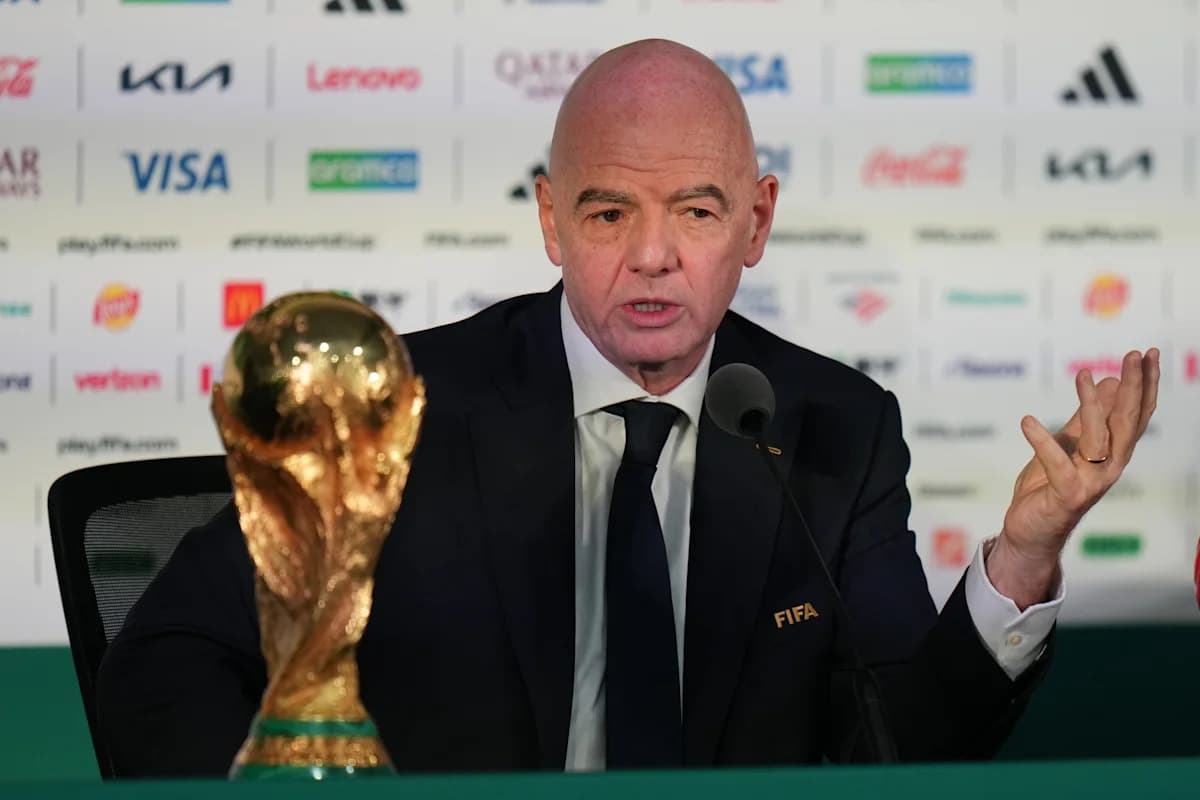
The 2026 FIFA World Cup will not just be the biggest tournament football has ever seen. It will be the most commercial, the most connected, and the most relentlessly live.
FIFA’s decision to stretch the competition to 104 matches across the United States, Canada and Mexico has changed the shape of the event. More games. More time zones. More content. For broadcasters, sponsors, sportsbooks and streaming platforms, it is a 24-hour carousel of opportunity.
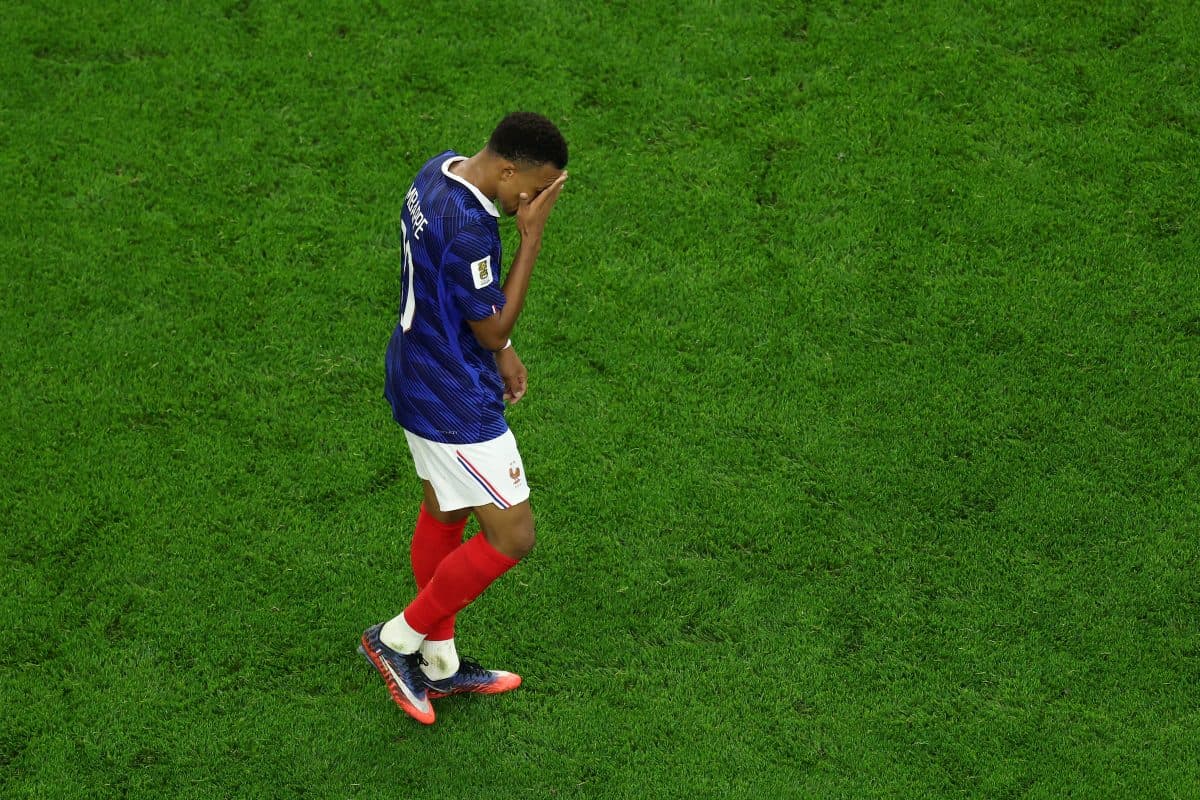
The numbers explain why. FIFA reported that the 2022 World Cup final between Argentina and France drew an average live audience of 571 million viewers worldwide. That is not just a football match. That is a global broadcast event—and in 2026, the betting industry intends to be stitched into every frame.
Mobile Phones, Mobile Odds
Football and betting no longer live in separate worlds. They share the same screen.
In 2026, soccer wagering is anchored to mobile technology, digital payments, live streaming and instant data. Fans check odds as naturally as they check lineups. Injury reports, tactical tweaks, late fitness doubts—every piece of news nudges the markets, and supporters react with a tap of the thumb.
Once the whistle goes, the tempo only accelerates. Sportsbooks adjust prices within seconds of goals, penalties, red cards or substitutions. The match does not just play out on the pitch; it moves on the betting slip, minute by minute.
That is why interest in the Betway download process and similar apps surges before major tournaments. Millions of viewers now expect fast registration, quick withdrawals and a slick in-play experience as part of how they consume the World Cup. For many, installing a betting app has become as routine as checking the group draw.
America’s New Gambling Landscape
The United States has reshaped the commercial backdrop to all of this.
Since the 2018 Supreme Court ruling that lifted federal restrictions on sports betting, dozens of states have rolled out legal wagering frameworks. Licensed operators, mobile apps, heavy advertising and integration into televised sport have followed.
By 2026, American sports broadcasts are saturated with betting graphics and live odds segments. Pregame panels discuss spreads and player props. Halftime shows flash updated markets. Football coverage is no longer just about tactics and storylines; it is about prices and probabilities.
During the World Cup, that trend only intensifies. For casual fans swept up by the tournament, downloading an app like Betway often becomes an early step toward “feeling part” of the spectacle, turning passive viewing into an interactive ritual.
Regulators Try to Keep Pace
Governments have not stood still.
Across North America, Europe, Latin America and parts of Africa, regulators have spent recent years overhauling gambling laws to match the scale of modern sport. Brazil, for instance, has moved toward broader online betting regulation, opening the door to licensed operators in one of football’s most passionate markets.
For users, the shift is visible. Stronger identity checks. Tighter payment verification. More prominent responsible gambling tools. Clearer rules on advertising. Betting companies now work hard to show that a simple Betway download or similar process is tied to regulated payments, legal compliance and account security—because public trust is a currency as valuable as any sponsorship deal.
At the same time, prediction markets have complicated the picture. Some financial platforms now host event-forecasting products linked to sports outcomes, blurring the line between financial instruments and gambling. Governments continue to argue over where these belong: under financial oversight, gambling law, or a new category entirely. The outcome will shape taxation, licensing and consumer protections around sports forecasting for years.
A Bigger Tournament, A Different Rhythm
The expanded World Cup format does not just create more football. It changes how people bet on it.
With 12 groups and a new round of 32 before the traditional knockouts, the schedule becomes denser and more drawn out. For sportsbooks, that means hundreds of extra markets: player props, live in-play odds, correct scores, corners, bookings, halftime lines and more.
For fans who live every day of a major tournament, the effect is clear. Morning kickoffs in one city, late-night drama in another. Odds shifting across several time zones. Search traffic for the Betway download and rival platforms tends to spike during these periods as supporters open accounts specifically for the World Cup’s daily grind.
The expansion also pulls new nations—and new bettors—into the orbit of the tournament. When a country that rarely qualifies finally makes it, interest at home intensifies. Supporters follow every tactical briefing, every injury update, every statistical trend. The emotional investment spills naturally into the betting markets.
Sportsbooks have adapted. Multilingual apps. Localized promotions. Regional sponsorships. Country-specific content aimed at fans entering legal betting for the first time. For these supporters, downloading a betting app can feel like part of the buildup, another way to ride the wave of a long-awaited World Cup appearance.
Data at the Heart of the Game
Modern soccer betting runs on data.
Expected goals. Pressing intensity. Transition speed. Shot quality. Defensive pressure. Attacking efficiency. By 2026, these are not niche analytics terms; they are part of mainstream football conversation, especially during major tournaments.
Sportsbooks tap into live data feeds tracking player movement, substitutions, possession patterns and tactical shifts. Algorithms digest the information and reprice markets in real time. A formation change, a tiring full-back, a surge in attacking momentum—everything is measured, modeled and reflected in the odds.
Platforms tied to systems like the Betway download increasingly showcase this analytical layer. Live dashboards, heat maps, performance trackers: bettors are offered more than just a list of prices. They are given tools to interpret the match as it unfolds, to feel informed rather than simply entertained.
All of it fits comfortably into the digital habits of younger audiences. The same phones that host finance apps, digital wallets, streaming services and social media now carry betting apps. Wagering becomes one more interactive strand in a web of constant online engagement.
The World Cup has always been about moments: a late winner, a missed penalty, a shock upset. In 2026, every one of those moments will trigger not just a roar in the stadium, but a ripple across millions of screens, accounts and live markets.
The question is no longer whether betting is part of football culture. It is how far the sport—and its regulators—are willing to let that relationship run in the game’s biggest show.