World Cup Final Ticket Prices Reach £1.7m Amid Fifa Controversy
The World Cup final has always been football’s most coveted ticket. This time, it is veering into another universe.
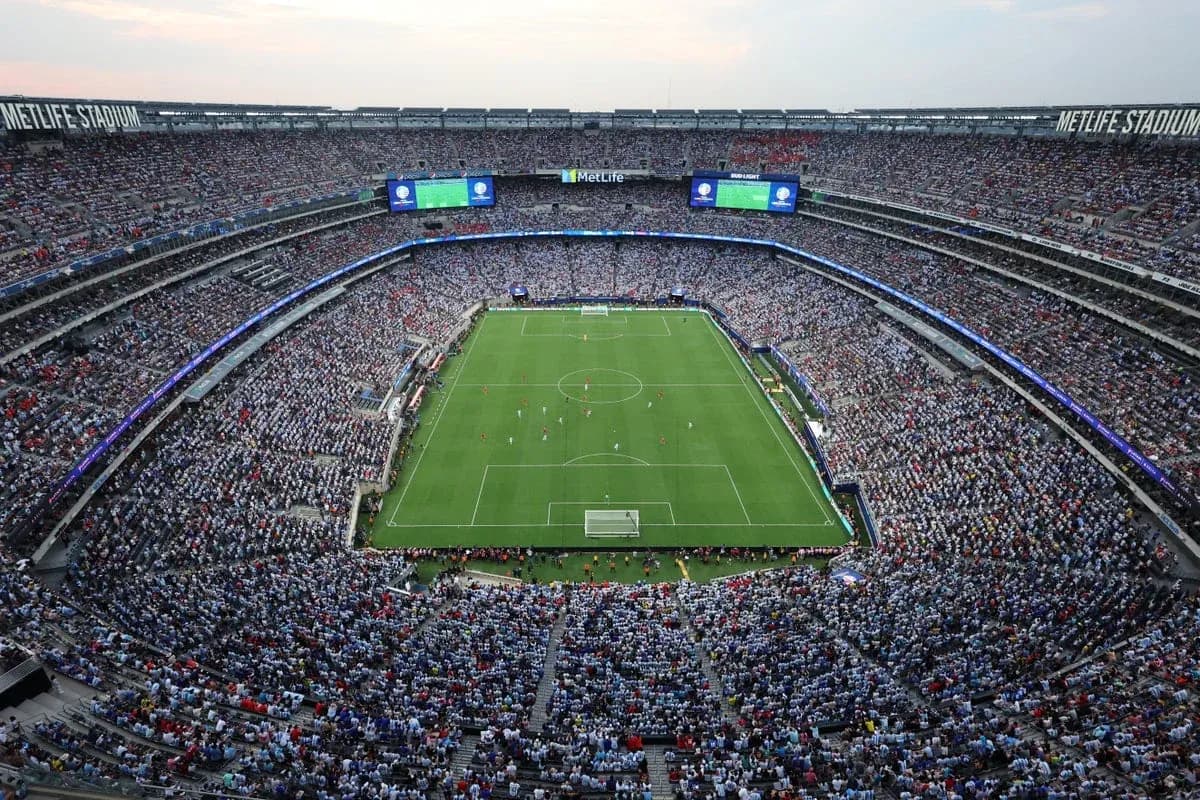
On Fifa’s own official resale platform, four seats for the final at MetLife Stadium on 19 July have been listed at just under $2.3m (£1.71m). Not hospitality, not a luxury box. Standard seats, behind the goal in the lower deck, block 124.
That is the going rate in Fifa’s “fair market value” world.
A marketplace gone wild
Scroll a little further and the numbers barely look more believable.
An aisle seat in the lower deck is up for $207,000 (£153,600). A category two seat, in the very last row of the uppermost third deck, is listed at $138,000 (£102,400). Just a few feet away, another seat is advertised at $23,000 (£17,000).
At the bottom end of this surreal ladder sit the “cheapest” tickets for the final currently on the marketplace: just under $11,000 (£8,200) for four seats, four rows from the top of the upper deck, again behind a goal.
This is not a back-street tout’s dream board. It is Fifa’s official resale marketplace.
The governing body does not set the asking prices. Sellers name their figure, buyers decide whether to bite. Fifa, though, still takes its cut: a 15 per cent fee from the buyer and another 15 per cent from the seller on every transaction.
Fifa’s defence: ‘We’re non-profit’
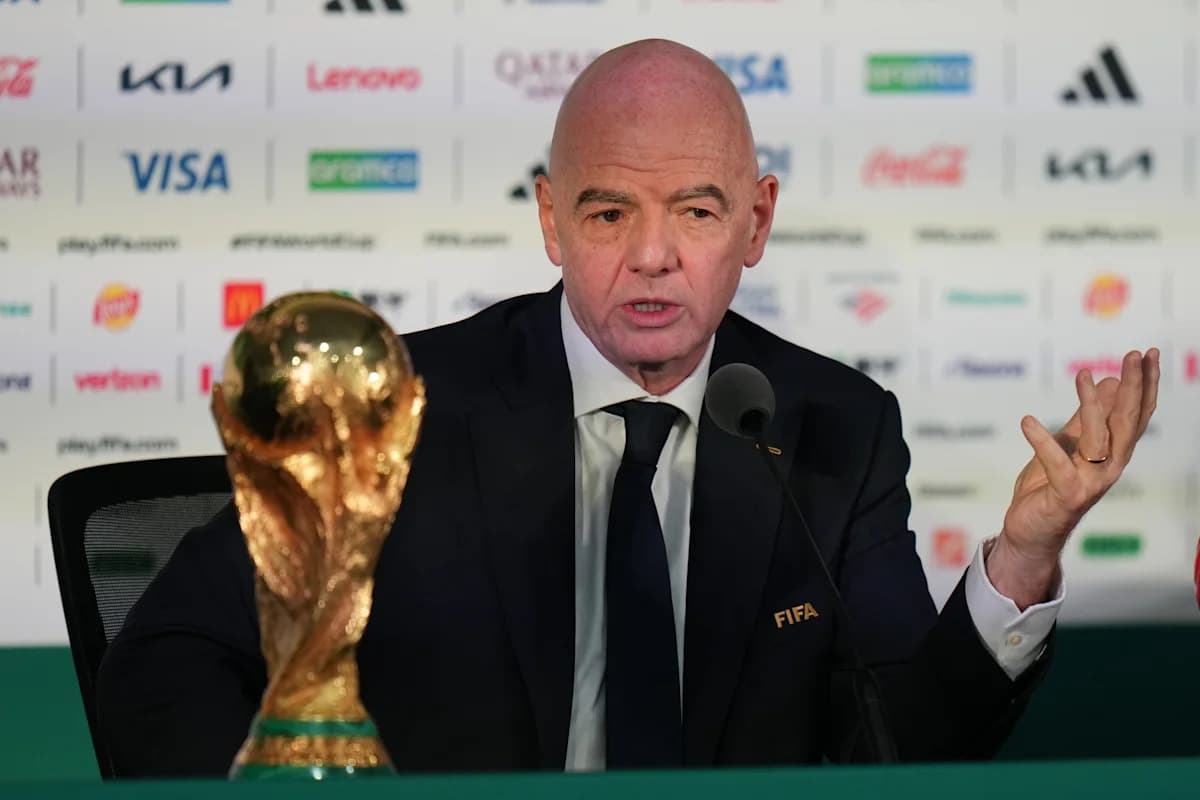
Faced with mounting anger over prices that shut out ordinary supporters, Fifa president Gianni Infantino has been unapologetic.
He has repeatedly framed the World Cup as the organisation’s lifeline.
“What many people don't know, because of course we generate billions in a World Cup, people don't know Fifa is a non-for profit organization, which means all the revenue we generate, we invest them in the organisation of the game, in 211 countries all over the world,” Infantino said.
“Three quarters of (those countries) probably would not be able to have organized football without the grants we could give them. So we always try to find the right balance.
“The main, and so far the only, revenue-generating event for Fifa is the World Cup.”
The message is clear: this is the cash cow, and Fifa intends to milk it.
‘Aligned with industry standards’
In a statement, Fifa presented its ticketing and resale structure as part of a broader, modern sports economy.
“Fifa has established a ticket sales and secondary market model that reflects standard ticket market practices for major sporting and entertainment events across the host countries,” the organisation said.
“The applicable resale facilitation fees are aligned with industry standards across North American sports and entertainment sectors.
“Fifa’s variable pricing ticketing approach aligns with industry trends across various sports and entertainment sectors, where price adaptations are made to optimize sales and attendance and ensure a fair market value for events.”
The language is corporate, the stance unflinching: this is how big events are sold now. Dynamic pricing, secondary markets, and a definition of “fair value” that tracks demand rather than affordability.
‘Front category’ backlash
On Wednesday, Fifa released another batch of tickets, including seats in Categories 1, 2 and 3, along with a new “front category” price band.
That phrase alone has become a lightning rod.
Supporters who had already bought what they believed were premium seats in existing categories watched as a fresh, superior tier appeared above them. Many complained online that better seats had been held back, only to be reclassified and sold at higher prices, leaving them pushed into less desirable locations.
The introduction of the “front category” has only sharpened the sense that the best views are being carved out for those willing to pay the steepest prices, while loyal fans who moved early in the process feel short-changed.
The cost of the ‘global spectacle’
Fifa insists its model mirrors North American sports and entertainment, where high-end seats for major events can command eye-watering sums. The difference here is scale and symbolism.
This is not a one-off Super Bowl. It is the World Cup final, the showpiece of a tournament sold as the people’s game on a global stage.
On paper, the system is simple: supply, demand, a marketplace, and a governing body taking its slice while arguing that the money will be poured back into the sport in 211 countries, many of which rely heavily on Fifa grants just to run basic football programmes.
In reality, the optics are stark. While Fifa leans on its non-profit status and development mission, fans are staring at listings that turn a seat behind the goal into a seven-figure luxury item.
The question now is not whether the final will sell out. It always does.
The question is who will actually be inside MetLife Stadium when the trophy is lifted – and what kind of game it becomes when the world’s biggest match is priced so far beyond the reach of the very supporters who made it matter.