Barcelona Faces International Break Challenges: Raphinha's Risk
Hansi Flick watches the planes leave and feels it in his stomach.
“I feel anxious when the players leave,” the Barcelona coach admitted days ago. “But I trust the national team coaches and I try to stay positive.” Trust only goes so far when half your squad is scattered across the world.
This international break has stripped Barcelona bare: 17 players have gone to join their national teams. It was supposed to be 18, but Andreas Christensen’s left thigh injury has kept him out of Denmark’s camp and in Barcelona’s treatment room. One fewer flight. One more muscle to worry about.
Inside the club, they insist there is no fear. But the tension is obvious. The squad is in prime physical condition, the work of weeks of planning and conditioning. Now those same bodies are being thrown into a demanding schedule of matches and long-haul flights. For some, across the Atlantic. For one in particular, that risk feels enormous.
Spain-heavy exodus
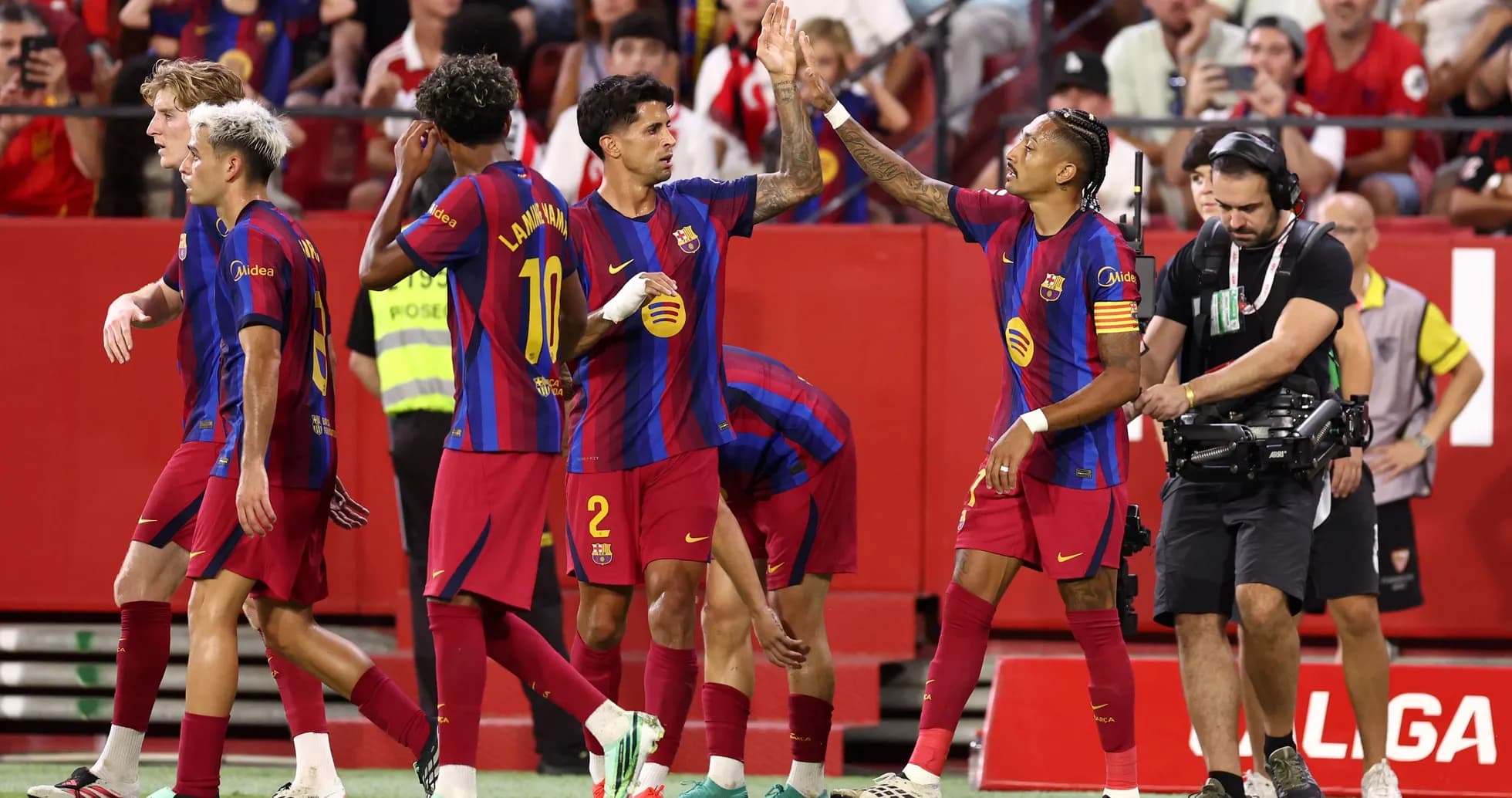
The national team that bites deepest into Flick’s plans is Spain. Luis de la Fuente has taken seven Barcelona players with him: Cubarsí, Eric García, Rodri, Pedri, Fermín, Olmo and Lamine Yamal. That is the core of a team, not a small contribution.
They will run into a familiar face when Spain meet Croatia. On the other side will be Livaković, another Barcelona player pulled into his own national camp. The club’s colours are everywhere this week, just not at their own training ground.
Below the senior level, the drain continues. Xavi Espart and Marc Bernal step up with Spain’s under-21s, who are chasing qualification for Euro 2027. To get there, they must navigate three games in this window alone: Finland, San Marino and Romania. Three matches, three sets of minutes, three more chances for something to go wrong.
Call-ups everywhere
The list keeps growing. Adyemi has been recalled by Germany after a spell out and will feature in matches against Serbia and Greece. Raphinha flies with Brazil. Cancelo joins Portugal. Gordon links up with England. Koundé answers France’s call. Hamza Abdelkarim travels with Egypt. Bisseck goes with Belgium’s under-21s.
Every name on that list represents risk. But one name stands out more than any other in the corridors of the Ciutat Esportiva: Raphinha.
He is the form player in Flick’s squad, the sharpest weapon Barcelona have right now, with 14 goals in eight matches. That sort of run changes a season. It also magnifies the fear. The club know what usually comes next: long flights, heavy minutes, and the shadow of his injury history with Brazil.
Raphinha is expected to rest once he returns, to absorb the impact of the travel. Barcelona have seen this film before, and they did not like the ending.
Scars from past breaks
The concern is not limited to what happens during the 90 minutes. The flights are long. The time zones are brutal. Fatigue piles up quietly, then suddenly shows itself in a pulled muscle or a tender tendon.
Raphinha has paid that price more than once. So have Lamine, Gavi and De Jong, all of whom have come back from international duty injured on several occasions. The pattern is clear enough to make any coach uneasy.
The most recent warning sign came on the biggest stage. During the last World Cup, Raphinha suffered pain in the tendons of his right knee. A few months before that, in March, he picked up an injury in the same area during a friendly between Brazil and France in the United States. He was withdrawn from the squad and sent straight back to Barcelona. The cost: five weeks out.
Last season, his campaign was punctured by scattered injuries that constantly disrupted his rhythm. Just as he seemed ready to catch fire, his body would call a halt. Flick and Barcelona believe they finally have him where they want him: fit, confident, decisive. Now they can only hope the cycle does not repeat.
Laporta pushes back
Inside the club hierarchy, the frustration is no longer whispered. Joan Laporta used Saturday’s general assembly to spell it out. The Barcelona president did not hide his irritation at the timing of this break or the volume of games his players are being asked to endure.
“This break affects the rhythm of our preparations. It harms us greatly,” Laporta said. “We have to keep fighting and find the right balance. There are many competitions, the Conference League and the Nations League ... the schedule is extremely crowded.”
His message was clear: Barcelona intend to take this fight to international football’s governing bodies. The calendar, in their eyes, has gone beyond demanding and into reckless.
For now, though, words change nothing. The players are gone. The training pitches feel emptier. Flick and his staff wait, count the minutes and watch every match with a knot in their stomachs.
When the planes bring their stars back to Barcelona, the real question will be simple: how many of them step off fully fit?