Belgium and Egypt Share Points in World Cup Opener
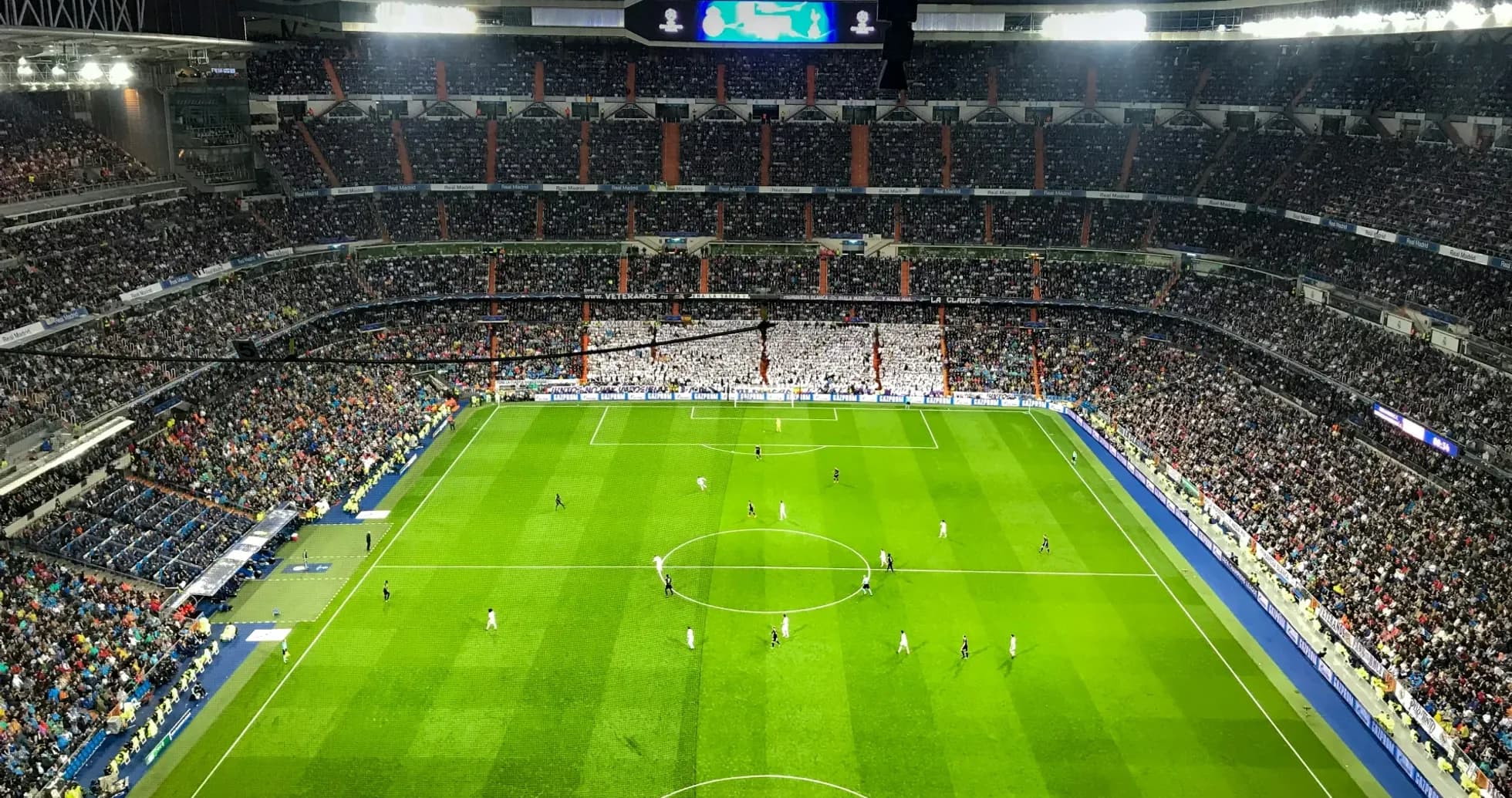
Lumen Field felt a long way from Brussels and Cairo, but Belgium and Egypt carried all their familiar traits into this World Cup opener – and, by the final whistle, both walked away knowing exactly where their squads must sharpen for the rest of Group G.
I. The Big Picture – Structures, Scoreline, Stakes
The fixture finished 1–1, Belgium recovering from a first‑half deficit to take a point in their first Group Stage match. Heading into this game, Belgium’s World Cup profile was a blank slate; following this result, they sit on 1 point with a goal difference of 0, having scored 1 and conceded 1 overall. Egypt mirror them almost exactly: 1 point, overall goal difference 0, 1 goal for and 1 against.
Both coaches leaned into the same structural idea: a 4‑2‑3‑1. Rudi Garcia’s Belgium used it at home for the first time this tournament, while Hossam Hassan’s Egypt deployed the same shape on their travels. In total this campaign, Belgium have played 1 fixture, all at home, drawing that sole match. Their attacking output at home stands at 1 goal, with a home average of 1.0 goals scored and 1.0 conceded. Egypt, conversely, have played 1 away game in total, drawing it as well; on their travels they have scored 1 goal and conceded 1, with an away average of 1.0 goals for and 1.0 against.
The symmetry in the standings underlines the sense of a group still waiting for a hierarchy to emerge. Both sides are unbeaten, but neither has yet shown the cutting edge to separate themselves.
II. Tactical Voids and Disciplinary Undercurrents
There were no officially listed absentees in the pre‑match data, which meant both squads arrived with their full tactical toolboxes. That freedom was evident in the benches: Belgium could call on experienced profiles like A. Witsel and R. Lukaku, as well as versatile wide threats such as A. Saelemaekers and D. Lukebakio. Egypt’s depth was built around flexible forwards like Trezeguet, Zizo and H. Hassan, and a stable of defenders including R. Rabia and M. Abdelmonem.
The more telling voids came not from missing players but from the way discipline shaped risk‑taking. Heading into this game, Belgium’s yellow‑card profile in the competition showed a split personality: 50.00% of their cautions arriving in the 0–15 minute range, and the remaining 50.00% in the 61–75 window. That early‑and‑mid second‑half pattern hints at a team that can be over‑eager in the press from kick‑off, then forced into recovery fouls as legs tire and the game stretches.
Individually, M. De Cuyper and T. Castagne stand out in the disciplinary data. De Cuyper, who has appeared once from the bench for 34 minutes, has already collected 1 yellow card, committing 2 fouls but also blocking 1 shot and making 1 interception. Castagne, a starter at left‑back, has likewise been booked once, with 1 foul committed. The full‑back’s aggression is double‑edged: he has completed 4 tackles and blocked 1 shot, a reminder that his defensive volume comes with a card risk attached.
Egypt’s card distribution is more front‑loaded. Heading into this game, 50.00% of their yellows came in the 0–15 minute window and 50.00% in 31–45, a first‑half intensity that can unsettle opponents but also risks early suspensions as the group progresses. No red cards have been shown to either side in the competition, but the patterns suggest that as pressure rises in later rounds, discipline could become a decisive fault line.
III. Key Matchups – Hunter vs Shield, Engine Room Battles
Hunter vs Shield
For Egypt, the “hunter” is not purely a finisher but a creator: Mohamed Salah. In his first appearance of the tournament, he delivered 1 assist, underlining his status as the reference point of Egypt’s attack. He played 76 minutes, attempted 1 shot (on target), and, more importantly, threaded 18 passes with a striking 94% accuracy, including 3 key passes. His duel volume – 11 contests, with 4 won – shows how often he was targeted both as an outlet and as a pressing trigger.
Opposite him, Belgium’s shield is a collective more than a single stopper. T. Courtois anchors the back line, but the data highlights Castagne as the most active defender: 4 tackles, 1 blocked shot, and a high duel success rate (6 of 8 won in the red‑card dataset snapshot). His willingness to step out aggressively from the back four is vital when Salah drifts inside from the right half‑space or drives at the channel between full‑back and centre‑back.
The duel between Salah’s timing and Castagne’s front‑foot defending is central. Salah’s preference for combining with the No. 10 zone – where he himself started as a central midfielder in this match – pulls him into K. De Bruyne’s orbit, complicating Belgium’s defensive assignments. If Castagne overcommits, Salah can play around the pressure; if he sits off, Salah has the time to pick passes into O. Marmoush or late runners like M. Ziko.
Engine Room – De Bruyne and Tielemans vs Attia and Lasheen
The heartbeat of Belgium’s structure lies in the double pivot of A. Onana and Y. Tielemans, with K. De Bruyne floating ahead of them. Onana’s role is primarily to anchor transitions and protect the centre‑backs, while Tielemans acts as the metronome, linking the first and second phases. De Bruyne, stationed as the central “10” in the 4‑2‑3‑1, is the creative accelerant: constantly seeking to connect with J. Doku’s directness on the left, L. Trossard’s drifting on the right, and C. De Ketelaere’s movement between the lines.
Egypt’s answer is the double pivot of M. Attia and M. Lasheen. Their brief in this match was clear: screen the back four, track De Bruyne’s roaming, and prevent vertical passes into De Ketelaere’s feet. With E. Ashour and M. Ziko flanking Salah in the line of three, Egypt built a compact box in central midfield, trying to suffocate Belgium’s most dangerous passing lanes.
This “engine room” clash is where the contest for territorial control is truly decided. If Tielemans can receive facing forward, Belgium’s 1.0 home goals‑per‑game average is likely to rise quickly in future fixtures. If Attia and Lasheen can keep him and De Bruyne on the half‑turn, Egypt’s away defensive record – 1.0 goal conceded on their travels so far – has a chance to stabilise.
IV. Statistical Prognosis – Margins, xG Logic, and Group Trajectory
The raw numbers from this single group game are too thin to construct a robust xG model, but the emerging patterns are clear enough to sketch a prognosis.
Heading into this game, both teams had identical overall profiles: 1 match played, 1 goal scored, 1 conceded, no clean sheets, and no failures to score. That symmetry suggests two sides that will rarely be blown away but may struggle to put opponents away. Belgium’s reliance on intricate combinations through De Bruyne, Doku and Trossard implies a relatively high‑quality chance creation model once the final third is reached, but the finishing burden on C. De Ketelaere – with R. Lukaku waiting as a game‑changing substitute – may keep their xG‑to‑goals conversion modest until rhythm is found.
Egypt, for their part, lean heavily on Salah’s creativity. His 3 key passes and 1 assist in his first 76 minutes of the tournament indicate a player generating high‑value opportunities even without scoring himself. With O. Marmoush as the spearhead and wide threats like Trezeguet and Zizo available from the bench, Egypt’s xG profile is likely to be spiky rather than steady: fewer total shots, but a concentration of chances when Salah finds pockets of space between the lines.
Defensively, both sides concede at an overall rate of 1.0 goals per game. Belgium’s early and mid‑second‑half yellow‑card spikes hint at moments when their pressing structure frays, potentially inflating opponent xG in those windows. Egypt’s first‑half card concentration suggests that their attempts to impose themselves early can occasionally open channels if the initial press is broken.
Following this result, the group remains wide open. The data and tactical shapes point towards tight margins and low‑to‑moderate xG battles in Belgium and Egypt’s remaining fixtures. Belgium’s ceiling is tied to how quickly De Bruyne can synchronise with De Ketelaere and Doku, and whether Garcia trusts Lukaku earlier in games. Egypt’s trajectory depends on keeping Salah fit and free, while ensuring the double pivot in front of the back four can continue to absorb pressure without drifting into the kind of foul‑heavy phases that invite set‑piece danger.
On the evidence of Lumen Field, these are two sides built more for control than chaos. In a group where every small edge will matter, the next step is clear: turn parity on the scoreboard into superiority in the penalty area, before the margins that feel manageable in a 1–1 opener become unforgiving in the final round of the group.