England vs France: World Cup 3rd Place Final Shootout
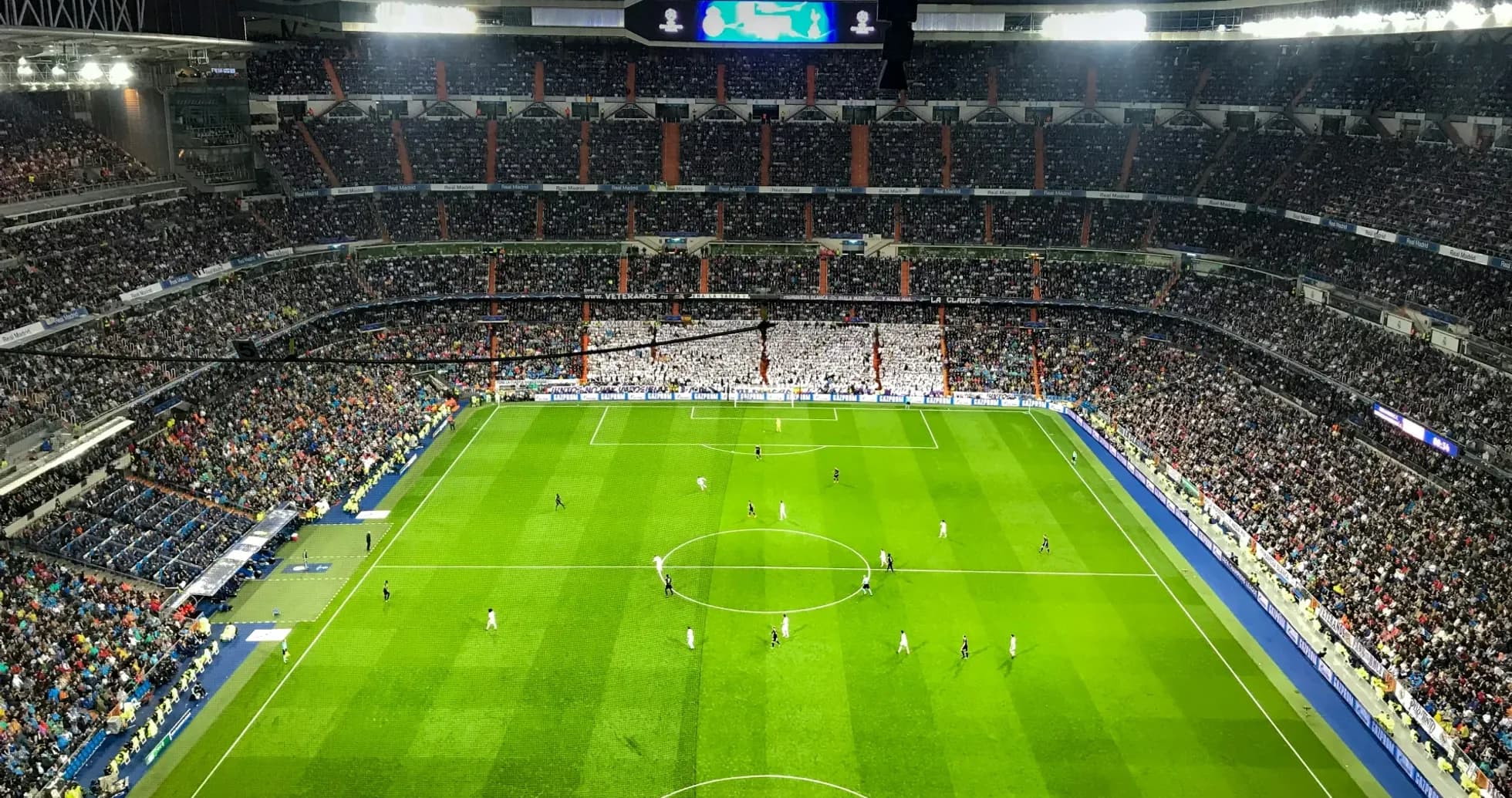
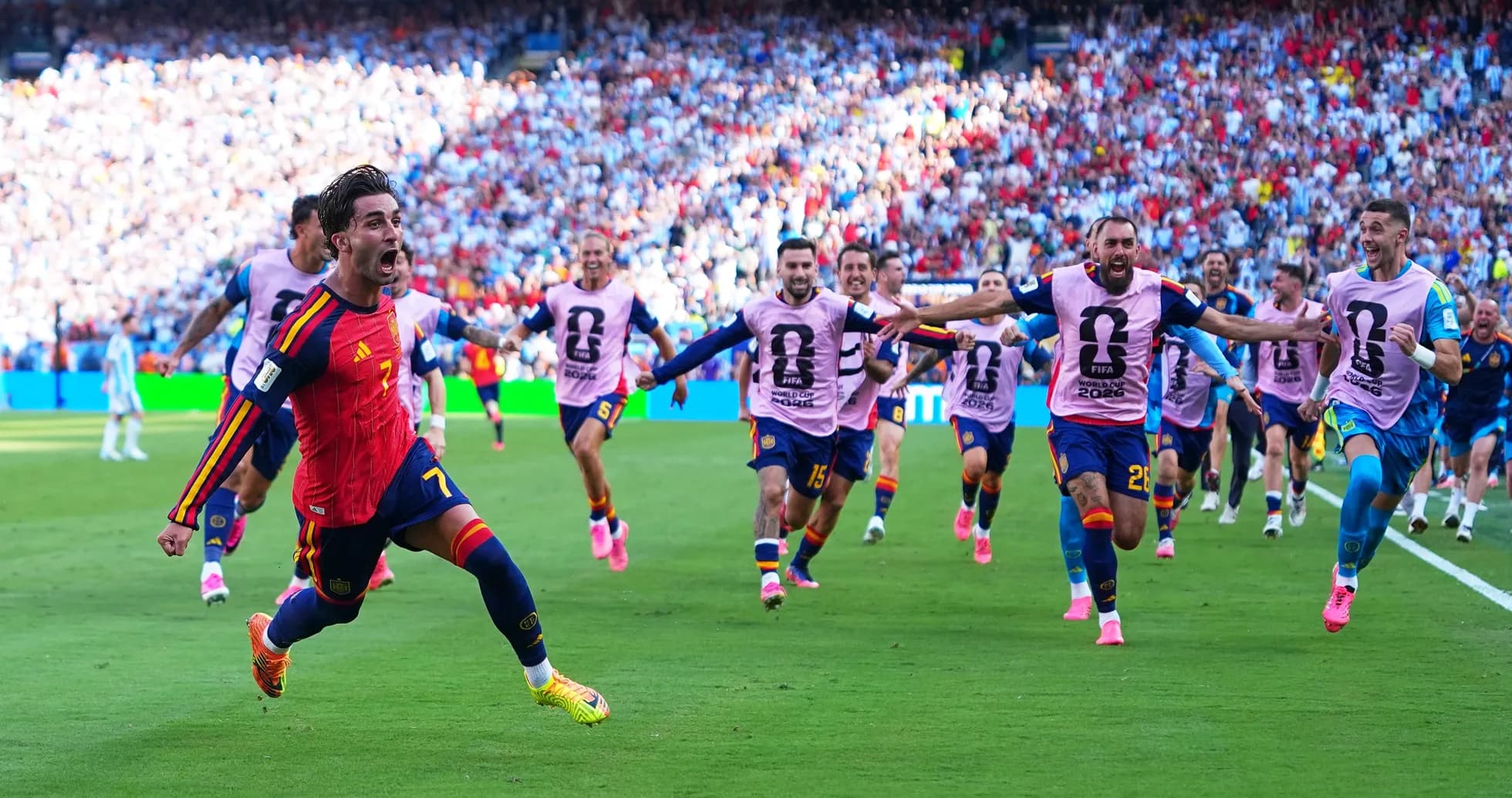
On a humid Miami night at Hard Rock Stadium, the World Cup 3rd Place Final turned into a wild six-goal shootout for England and an equally breathless four-goal response from France. The 6–4 scoreline in England’s favour was less a consolation match and more a tactical stress test for two attacking machines that had spent the tournament tearing opponents apart.
I. The Big Picture – Two heavyweights built to attack
Heading into this game, both sides had advertised their intent across the tournament. Overall, France had played 8 matches, winning 6 and losing 2, with 20 goals scored and 10 conceded. That gives them an overall scoring average of 2.5 goals per match and 1.3 conceded, a profile of a side that expects to outgun rather than suffocate opponents. At home in this World Cup cycle they had scored 15 and conceded 9 in 6 fixtures, averaging 2.5 for and 1.5 against; on their travels, they had added 5 for and just 1 against in 2 matches, again 2.5 scored but only 0.5 conceded. The defensive record away had hinted at control; the 4–6 defeat here brutally exposed the fragility when elite firepower is on the other side.
England’s overall numbers were just as bold. Across 8 matches they had also scored 20, but conceded 12, for an overall average of 2.5 for and 1.5 against. At home they had 7 goals for and 5 against in 4 games (1.8 scored, 1.3 conceded), while on their travels they were even more expansive: 13 scored and 7 conceded in 4 matches, averaging 3.3 for and 1.8 against. The 6 goals in Miami were a logical extension of that away identity – high risk, high reward.
In the group phase, both had topped their groups. France finished first in Group I with 9 points from 3 matches, scoring 10 and conceding 2 for an overall group-stage goal difference of +8 (10 minus 2). England were similarly efficient in Group L: 7 points from 3, 6 scored and 2 conceded, an overall goal difference of +4.
II. Tactical voids and the cost of absences
Both coaches came into this fixture with one notable enforced absence each. For France, William Saliba was ruled out with a back bruise. Even though he appeared on the bench list, the medical report had him down as missing this fixture, underlining how much Didier Deschamps had to lean on Ibrahima Konate and Maxence Lacroix as his central pairing. The 4–2–3–1 shape, which France had used in all 8 matches, remained, but the lack of Saliba’s composure and recovery pace was felt whenever England broke the first line.
England were without Kobbie Mainoo due to a wound, a quieter but still important loss in the middle of the pitch. Thomas Tuchel responded by doubling down on structure: a 4–1–4–1 with Declan Rice as the single pivot, tasked with screening transitions and connecting back to front. In front of him, a fluid line of Bukayo Saka, Morgan Rogers, Eberechi Eze and Marcus Rashford swarmed between the lines behind Ivan Toney.
Disciplinary trends also shaped the risk maps. France’s yellow cards this tournament had clustered late: 33.33% of their bookings arrived between 76–90 minutes, with further spikes early (16.67% in both 0–15 and 16–30) and one more late in extra-time phases. That pattern suggested a team that becomes more stretched and desperate as matches wear on. England’s yellows were more evenly distributed, but with pronounced peaks at 31–45 and 61–75 minutes (25.00% each). Crucially, their only red card of the tournament had come between 46–60 minutes – and it belonged to Jarell Quansah, who started again here. Tuchel was therefore walking a tightrope: trusting an aggressive young centre-back with a history of stepping over the line.
III. Key matchups – Hunter vs Shield, and the engine room battle
The headline duel was always going to be Kylian Mbappé against England’s back four. Mbappé came into this match as the tournament’s most devastating forward: 10 goals and 4 assists in 8 appearances, with 36 shots (23 on target) and 18 key passes. He had even lived the full penalty arc: 1 scored and 1 missed from the spot, a personal 50.00% success rate that mirrored France’s overall penalty record of 2 taken, 1 scored and 1 missed. Every time he drifted left or attacked the inside channel, Ezri Konsa and Marc Guehi had to manage not just his speed but also his ability to combine with the line of three behind him.
That three, in this match, had a different flavour. Michael Olise, the tournament’s top assist provider with 7, started on the right, bringing 411 passes at 86% accuracy and 17 key passes into the game. Rayan Cherki and Desire Doue added creativity between the lines, supported by Warren Zaire-Emery and Adrien Rabiot as a double pivot. On paper, this was an attacking overload designed to pin England’s full-backs and drag Rice away from his screening role.
On the other side, England’s “Hunter vs Shield” story was more collective. While Harry Kane – 6 goals, 2 penalties scored from 2 taken, 18 shots with 12 on target – began on the bench, the starting front five still carried real threat. Saka arrived with 3 goals and 3 assists in 7 appearances, 10 shots (7 on target) and 8 key passes. Eze and Rogers brought dribbling and late runs, while Rashford from the left gave Toney a partner in transitions.
The real axis of control, though, was in the engine room. Rice, one of the tournament’s standout deep midfielders, had 331 passes at 92% accuracy, 17 key passes, 11 tackles, 4 blocks and 5 interceptions. His duel with Mbappé when the French star dropped into pockets, and with Olise as he drifted infield, was central to England’s plan. On the French side, Zaire-Emery’s youth and mobility had to balance Rabiot’s experience; without N’Golo Kanté starting, France’s midfield protection against counters was always going to be thinner.
Behind Rice, Quansah’s presence was double-edged. He had already collected 1 yellow and 1 red card in just 3 appearances, but he also won 13 of 19 duels and completed 89% of his 101 passes. His aggression stepping out to confront Mbappé or Cherki was vital to Tuchel’s high-line approach – and a potential trigger for chaos if mistimed.
IV. Statistical prognosis and what the numbers foretold
From a statistical lens, this fixture always leaned toward goals. Overall, both sides averaged 2.5 goals scored per match. Defensively, France’s overall 1.3 goals conceded and England’s 1.5 suggested neither was built to lock down a game at this stage of the tournament. England’s away profile – 3.3 scored and 1.8 conceded – in particular forecast an open, transition-heavy match, especially against a French side whose biggest home defeat in this cycle had already been 4–6.
Discipline and penalties were another fault line. France’s 50.00% penalty conversion, combined with late yellow-card surges, hinted at emotional volatility under pressure. England, by contrast, were perfect from the spot: 3 penalties taken, 3 scored, with Kane’s 2 and Saka’s 1 forming a reliable high-leverage weapon.
Layered over that were the creative hubs. France boasted both the leading scorer (Mbappé) and the leading assist provider (Olise), with Ousmane Dembélé and Bradley Barcola offering further end product from the bench. England countered with Jude Bellingham’s 7 goals and 1 assist from midfield, Saka’s dual-threat profile, and Anthony Gordon’s 3 assists and 1 goal in limited minutes. Even though Bellingham and Kane did not start, their presence on the bench meant Tuchel could turn the match into a late-game shootout if needed.
In that light, a high-scoring, chaotic contest was less an anomaly than the logical conclusion of both squads’ seasonal DNA. France’s insistence on a 4–2–3–1 with maximal attacking talent, coupled with a defence missing Saliba, collided with an England side whose away matches routinely turned into track meets. The 6–4 scoreline, wild as it looked, was the purest expression of what these numbers had been whispering all along: this was never going to be a quiet farewell; it was always destined to be a last, furious exchange of punches between two of the tournament’s most explosive squads.