Chelsea's Struggles Highlight Xabi Alonso's Rebuild Challenges
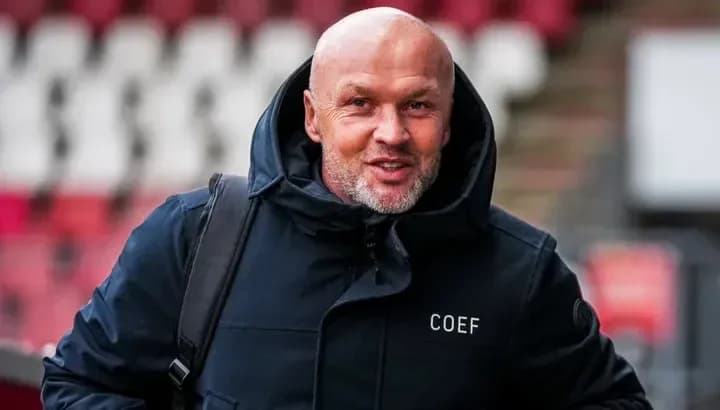
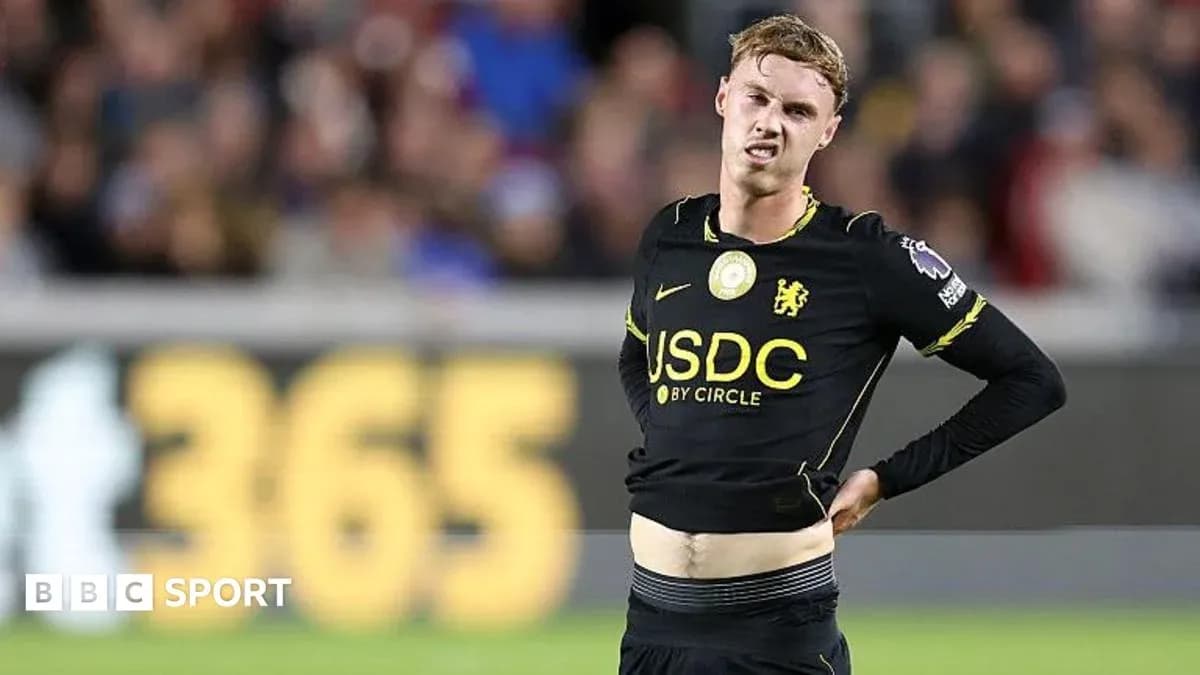
Chelsea’s bruising afternoon underlined just how far Xabi Alonso’s rebuild still has to go. Forty-five competent minutes dissolved into a second‑half collapse, three goals shipped, and the same old questions about organisation, discipline and resilience.
Alonso did not sugar-coat it.
“Everything was disappointing especially the result but we can do better. We must do better,” he told MOTD, summing up a performance that frayed badly after the interval. Chelsea had competed early on, stayed in the game, and then simply lost their grip.
For the manager, the turning point was clear: set pieces.
“You need to be very focused, and once you concede from set-pieces, it gives them an advantage and control because once you concede the second goal it becomes much harder,” he said. Chelsea, again, switched off in the box. Again, they were punished. “We lost a little bit of our discipline when we were close to the box. We have to correct, it was our mistakes.”
The attacking side of the story was hardly any brighter. Chelsea moved the ball, hovered around the right areas, but rarely carved the opposition open.
“First half we were around but not creating big chances,” Alonso admitted. “We missed the last pass, the last dribble to get shots in clear positions, but that's one part. The other part is when you need to hold, when you need to be tight, [the opponent] is trying to attack you and you need to know how to defend and stick together. Win duels and be consistent in that part.”
They did neither. The front line misfired; the back line buckled.
The numbers tell their own uncomfortable story. Alonso has become only the sixth manager to see his side concede two or more goals in each of his first five Premier League games, joining Mick McCarthy, Sammy Lee, Terry Connor, Slavisa Jokanovic and Scott Parker in a group no coach wants to be part of. Defensive frailty is no longer a blip. It is a pattern.
Levi Colwill did not hide from that reality. The defender, speaking to Sky Sports, laid out the damage in blunt terms.
“It was tough. Firstly conceding a set piece was not the best, we tried to push and maybe overexposed ourselves, played some passes we shouldn't and they hit us on the counter, and got the second goal and the third goal hit home and hurt,” he said. “Second half we weren't good enough and we have a lot to work on in the international break.”
Five goals conceded from set pieces already this season is an indictment of their penalty-box steel.
“Not been good enough. At times we have been bullied in the box, we need to definitely improve with that,” Colwill added. “We have got all trust in our set piece coach and still adjusting to new things. We do need to improve as a team.”
The defender insisted the mentality did not collapse, even as the scoreline did.
“I don't think spirit went down. It hurt and we tried to push for equaliser and we got hit on the counter attack. I don't think our spirit dropped.
“We still need to improve a lot. We can't rely on our front three to pull us out of danger. The rest of us have to help as much as possible. We definitely have a lot of room to improve.”
Alonso echoed that sense of a collective job still unfinished. Asked if the focus after the international break would be on the defence, he widened the lens.
“It's everything but for sure individual and collective details will have to be better, but it's not only defensively, with the ball there are parts where we need to do better.”
The break arrives at an awkward time: too early for sweeping changes, too late to pretend the issues are minor.
“It is what it is. Now we will have time with some players, but we can't change that,” Alonso said. Time on the training pitch with a reduced group will have to do.
Amid the gloom, there was one moment that pointed to the future. Mahdi Nicoll-Jazuli came off the bench to become the first player born in 2010 to appear in the Premier League, and the first 16-year-old ever to play for Chelsea in the competition. A sliver of history on a day dominated by defensive chaos.
Youth breaking through, a coach demanding more, a team struggling to keep the ball out of their own net. When the league resumes after the international pause, Chelsea will discover quickly whether this was a painful lesson — or the shape of their season.