England Edges Mexico in Thrilling World Cup Showdown
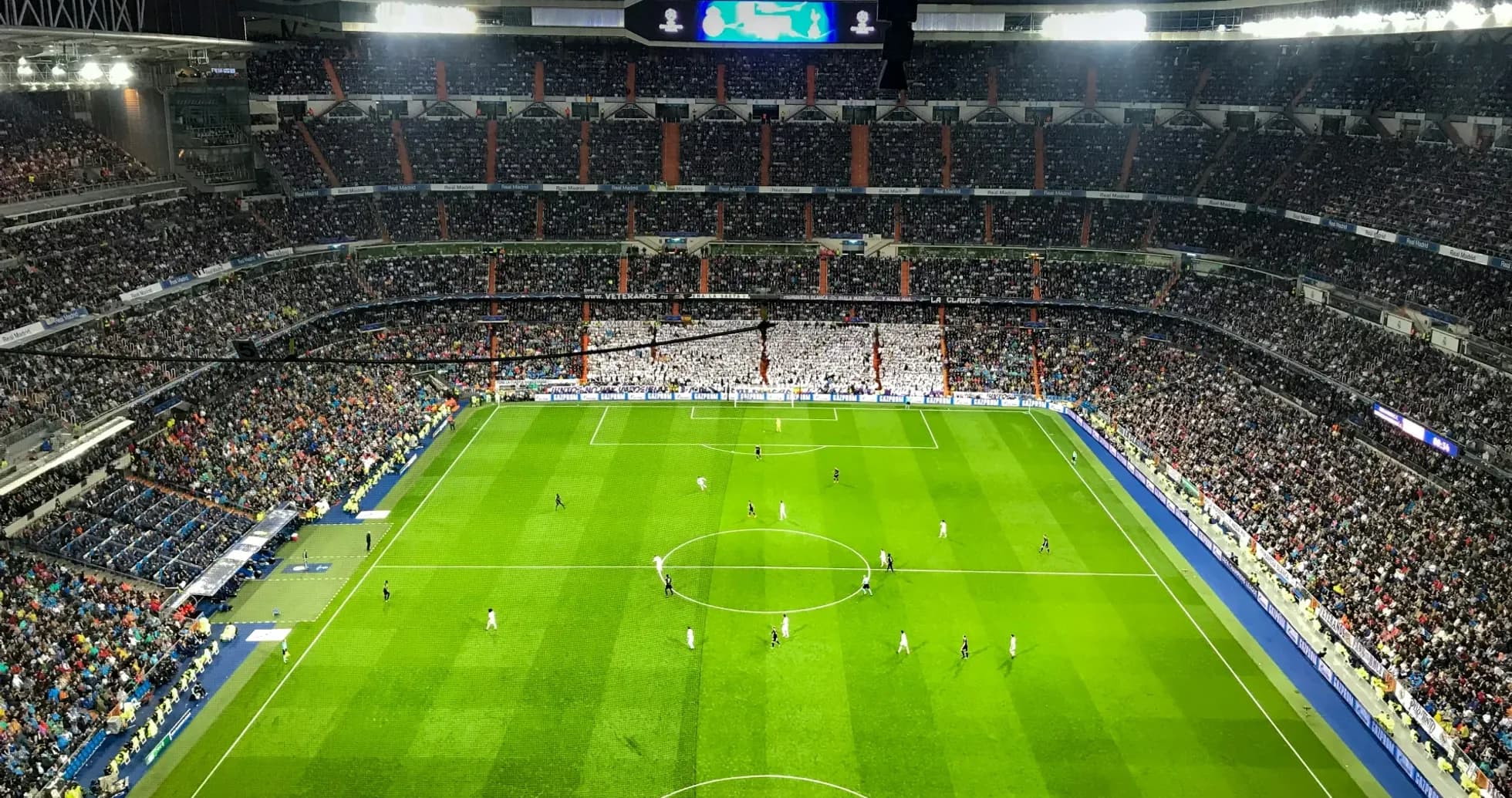
The World Cup night at Estadio Banorte felt like a crossroads for two footballing identities. Mexico arrived as group winners from Group A, perfect across 3 matches with 9 points and a goal difference of 6, a side that had not conceded once in the group stage. England came in as Group L leaders, unbeaten with 7 points and a goal difference of 4, their campaign built on a more open, attacking template. Over 90 minutes, those philosophies collided, and England’s 3–2 win in the Round of 16 told a story of structure, star power, and the fine margins between control and chaos.
Mexico’s seasonal DNA was clear even before a ball was kicked in the knockout rounds. Overall this campaign they had played 5 matches, winning 4 and losing just 1, with 10 goals scored and only 3 conceded. At home in World Cup venues, they had played 4 times, winning 3 and losing 1, averaging 1.8 goals for and 0.8 against. Clean sheets were a habit: 4 in total across the tournament. Their path here was that of a disciplined, well-drilled side whose biggest home defeat – the 2–3 scoreline that would eventually come against England – was an outlier against a backdrop of control.
England’s arc was different. Across 5 matches in total they remained unbeaten, with 4 wins and 1 draw. They had scored 11 goals and conceded 5, averaging 2.2 goals for and 1.0 against overall. On their travels they had been ruthless: 2 away matches, 2 wins, 5 goals scored, 2 conceded, with an average of 2.5 goals for away. Where Mexico were defined by defensive parsimony and clean sheets, England were built on repetition of attacking patterns and the comfort of knowing they could always score one more.
The lineups on the night underlined those identities. Javier Aguirre doubled down on Mexico’s trusted 4-3-3. R. Rangel started in goal behind a back four of J. Gallardo, J. Vasquez, C. Montes and J. Sanchez. In midfield, the triangle of L. Romo, E. Lira and G. Mora was tasked with both screening and progression. Up front, R. Alvarado and J. Quiñones flanked R. Jimenez, a trio that had carried much of Mexico’s attacking weight in the group stage.
Opposite them, Thomas Tuchel stayed faithful to England’s 4-2-3-1, a shape he had used in 4 of their 5 matches in this World Cup. J. Pickford anchored the side in goal, protected by a back four of N. O’Reilly, M. Guehi, E. Konsa and J. Quansah. In front of them, D. Rice and E. Anderson formed the double pivot, with B. Saka and A. Gordon wide and J. Bellingham operating between the lines behind H. Kane.
The tactical voids in this tie were less about absences and more about discipline and risk. Both teams came in with notable disciplinary trends. Mexico’s yellow cards in this World Cup had clustered in the 16–30 and 61–75 minute windows, with 25.00% of their cautions arriving early in the first half and 50.00% in the mid-second half. They had also seen a red card in the 91–105 minute band, with C. Montes already on the tournament’s red-card list. England, meanwhile, had spread their yellows more evenly, but with a spike between 61–75 minutes at 28.57% of their cautions. They, too, had a red card on the books: J. Quansah, who had been dismissed once already in this World Cup, his profile marked by 1 yellow and 1 red in just 117 minutes.
That history made the defensive line on both sides a story in itself. Montes, a tall, composed centre-back, had already walked the disciplinary tightrope once, while Quansah’s blend of aggression and aerial dominance came with an edge that could tilt either way. In a knockout tie, those tendencies threatened to become fault lines.
At the sharp end, the “Hunter vs Shield” narrative was irresistible. For England, Kane arrived as the World Cup’s most ruthless finisher: 6 goals and 1 assist in 5 appearances, scoring from 10 of his 15 shots on target. He had also converted 2 penalties from 2, with no misses, and his 7.6 average rating underscored his influence. Behind him, Bellingham had mirrored that end product from midfield: 4 goals, 1 assist, 11 shots with 9 on target, and a 7.78 rating that made him England’s creative and emotional centre.
Mexico had their own predators. J. Quiñones, listed as a midfielder but playing high and wide in Aguirre’s 4-3-3, had 4 goals and 1 assist in 5 games, with 11 shots and a strong 82% pass accuracy. R. Jimenez, the reference point at centre-forward, had 3 goals in 4 appearances, 7 shots on target from 14 attempts, and a penalty converted without a miss. Around them, Alvarado was the quiet architect: 3 assists, 13 key passes, and 7 successful dribbles from 8 attempts, a winger who created more than he finished.
The engine room battle – the “Engine Room” storyline – revolved around Bellingham and Rice against Romo and Lira. Rice had been England’s metronome and shield, with 166 passes at 91% accuracy, 12 key passes and 2 successful blocks, but also 2 yellow cards in 4 appearances. His task was to deny Quiñones and Alvarado the spaces they had exploited so ruthlessly in the group stage. Bellingham, meanwhile, floated into the half-spaces where Mexico’s midfield three could be stretched, testing whether Romo and Lira could track his movement without leaving the centre open for Kane.
On the Mexican side, Romo’s role as a box-to-box presence and Lira’s as the deeper pivot were vital to breaking England’s press and finding Jimenez early. Alvarado’s 191 passes at 83% accuracy and 21 duels won out of 36 showed a player comfortable both on and off the ball, but the question was whether Mexico could sustain their usual control against an England side that averaged 2.0 goals at home and 2.5 away in this tournament.
Defensively, Mexico’s overall record of just 3 goals conceded in 5 matches – 0.6 per game – had been anchored by a back line that rarely allowed clean looks at goal. Montes’ 176 passes at 90% accuracy and 1 blocked shot underlined his composure and reading of the game. Yet England’s attack was a different level of examination. With Saka supplying 3 assists in 192 minutes, winning 18 of 28 duels and completing 4 of 8 dribbles, and Gordon stretching the pitch on the opposite flank, Mexico’s full-backs Gallardo and Sanchez were always likely to be dragged into uncomfortable positions.
The disciplinary undercurrent added further tension. Rice’s 2 yellow cards and Quansah’s prior red hinted at possible flashpoints in England’s defensive half, especially with Quiñones and Jimenez adept at drawing fouls. For Mexico, Montes’ own red-card history in this World Cup meant that any high line against Kane’s movement and Bellingham’s late runs risked both space in behind and potential last-man decisions.
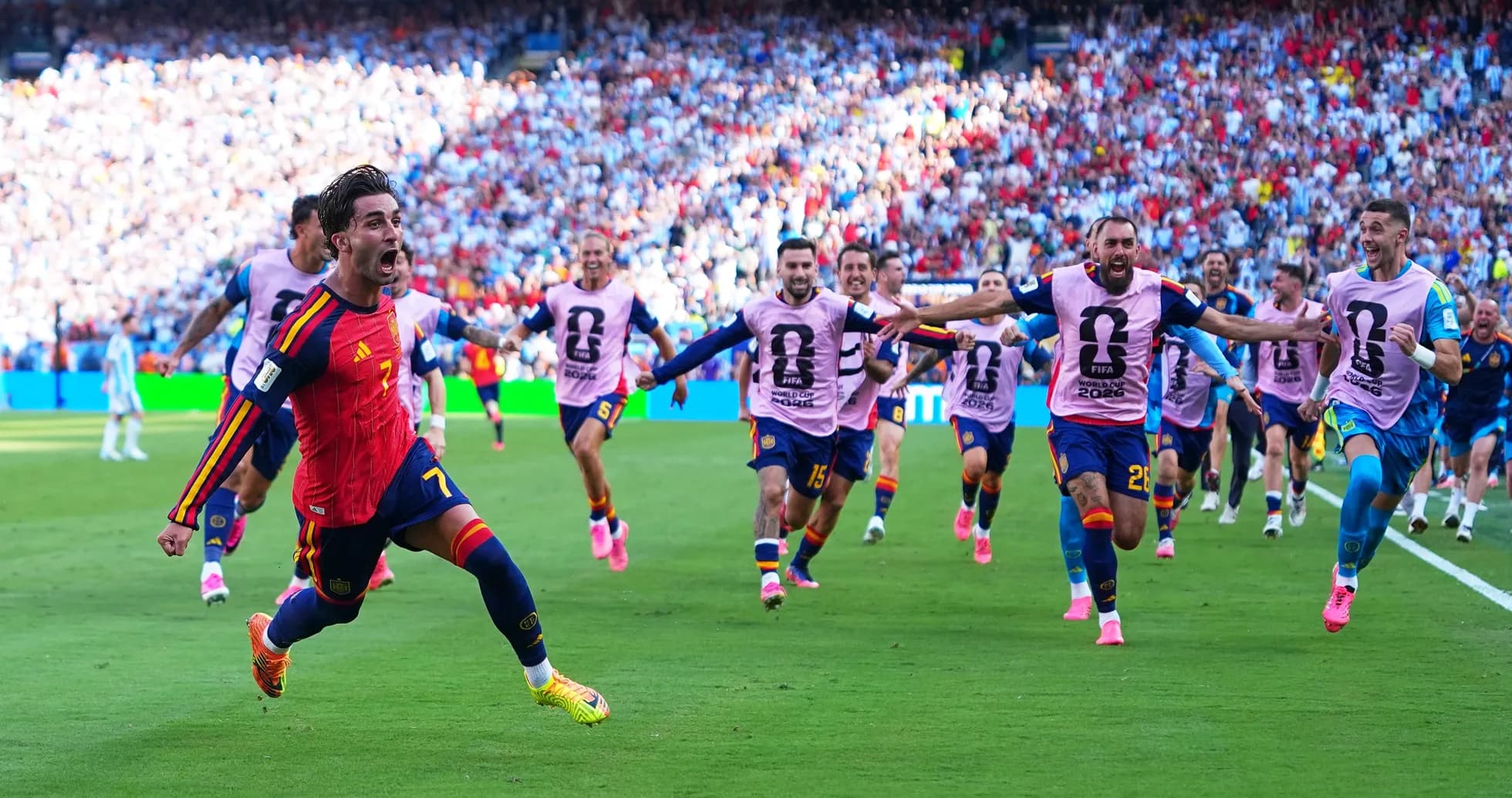
In the end, England’s 3–2 victory felt like the statistical prognosis made flesh. A side averaging 2.2 goals per game overall, with elite finishers in Kane and Bellingham, found just enough incision to puncture Mexico’s previously watertight defence. Mexico, who had averaged 2.0 goals per game overall and never failed to score in this tournament, still managed to hit twice, but their biggest home defeat of 2–3 became reality on the biggest stage.
Following this result, the story of the squads is one of fine margins. Mexico’s 4-3-3, built on collective balance, nearly overcame the individual brilliance of England’s front four. England’s 4-2-3-1, under Tuchel’s guidance, leveraged Kane’s ruthlessness, Bellingham’s all-court influence, and Saka’s creativity to edge a classic. The tactical preview for any future meeting between these sides is clear: Mexico will need to preserve their defensive discipline while finding new ways to protect their full-backs, and England, for all their attacking fluency, will continue to walk the disciplinary line in defence – a risk they seem willing to take for the reward of another night like this.