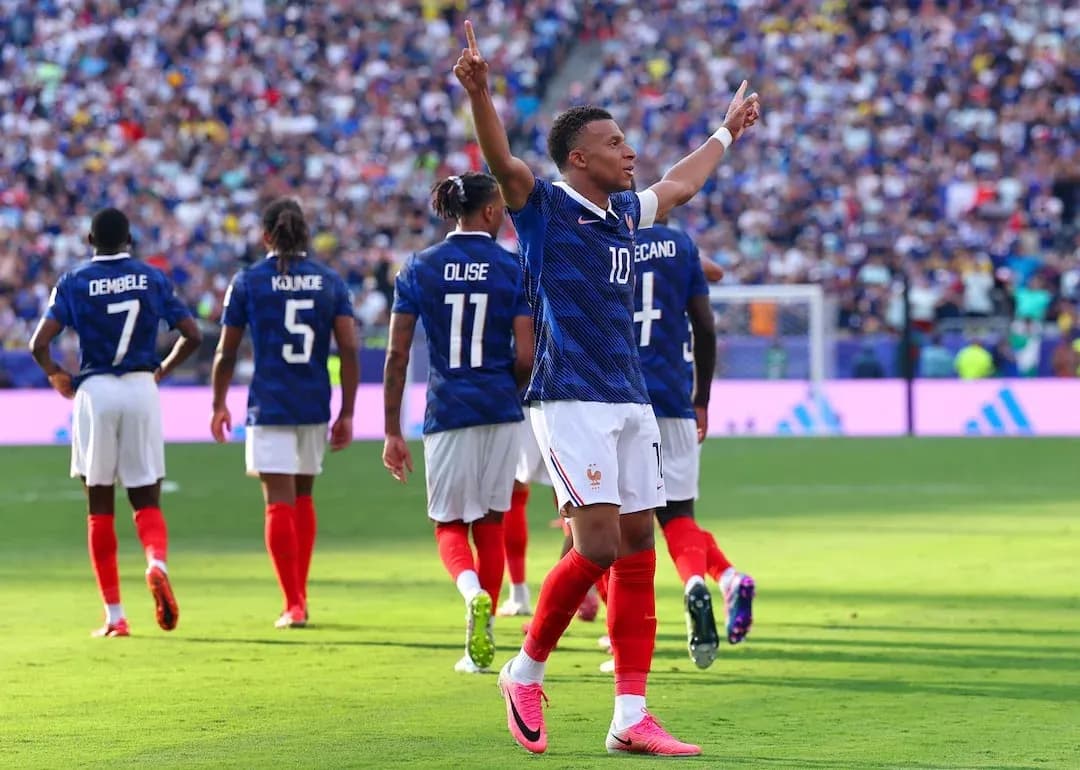
France vs Sweden: World Cup Knockout Clash Preview
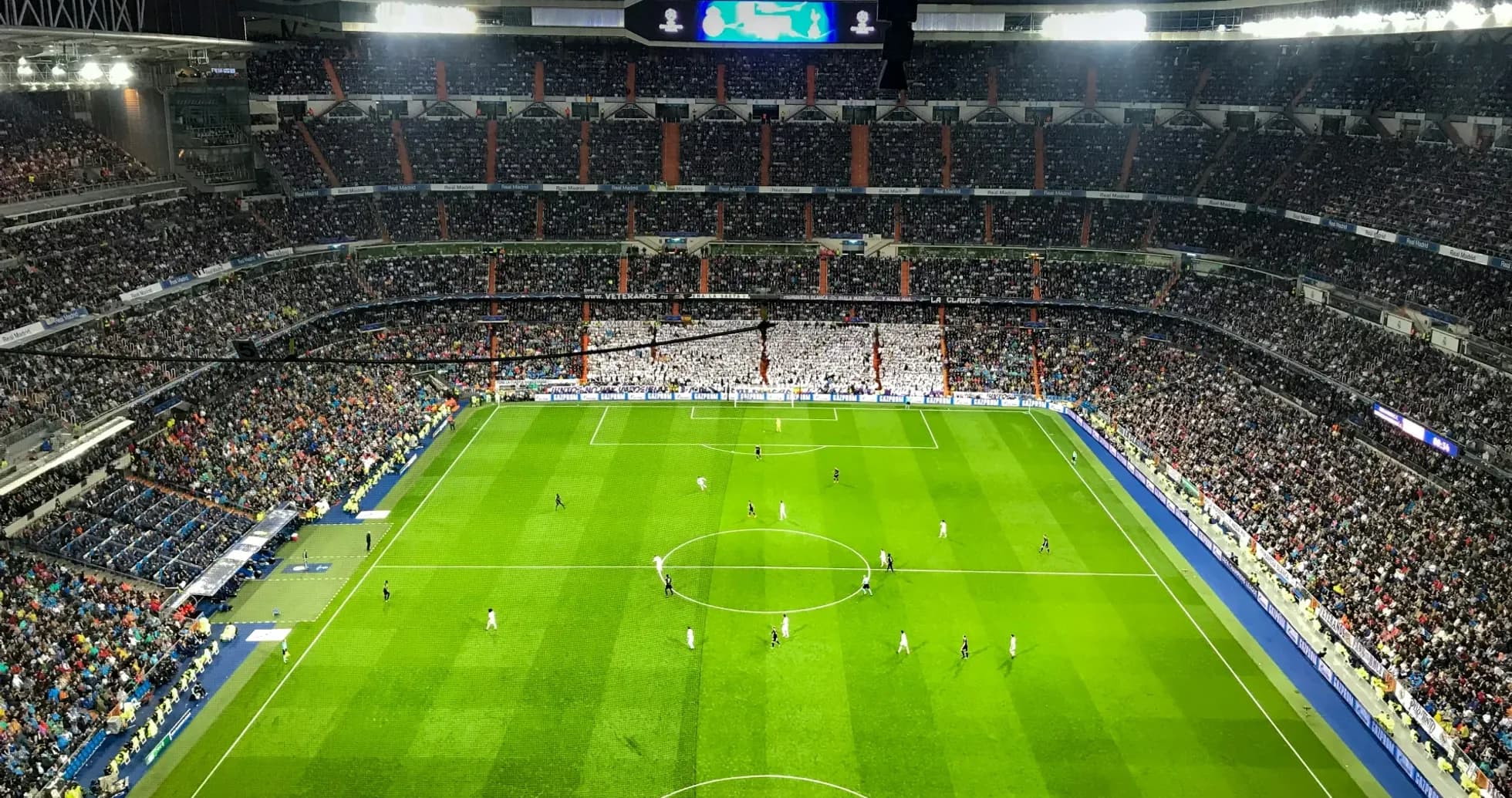
MetLife Stadium, New York, under World Cup knockout lights: France versus Sweden in the Round of 32, a meeting of contrasting football identities. France arrive as group winners, flawless through the group with 9 points and a goal difference of 8 from 10 goals scored and 2 conceded overall. Sweden step in as survivors rather than dominators, with 4 points and a neutral overall goal difference of 0 from 7 scored and 7 conceded. This is a clash between a side moving like a finished product and another still searching for its best version.
I. The Big Picture – France’s machine against Sweden’s volatility
Heading into this game, France’s seasonal profile is that of a ruthless frontrunner. Across all venues they have played 4 matches, winning all 4, with 13 goals scored in total and only 2 conceded. At home they have averaged 3.0 goals for and 0.3 against, and on their travels 4.0 scored and 1.0 conceded, for an overall attacking average of 3.3 and defensive average of 0.5. The clean sheets total stands at 2, and they have yet to fail to score.
Didier Deschamps doubles down on continuity: a 4-2-3-1 that has been used in all 4 matches. Mike Maignan anchors the side in goal behind a back four of Jules Kounde, Dayot Upamecano, William Saliba and Lucas Digne. In front of them, Aurelien Tchouameni and Adrien Rabiot form the double pivot, with Ousmane Dembele, Michael Olise and Bradley Barcola supporting Kylian Mbappe as the lone forward. It is a structure built for territorial control and vertical surges.
Sweden’s road is more jagged. Across all venues they have played 4, with 1 win, 1 draw and 2 defeats. They have scored 7 goals in total but conceded 10, for an overall attacking average of 1.8 and defensive average of 2.5. At home they have been explosive – 5 goals for and 1 against, an average of 5.0 scored and 1.0 conceded – but on their travels the picture darkens: 2 goals for, 9 against, with away averages of 0.7 scored and 3.0 conceded. Clean sheets: none, and they have failed to score once.
Graham Potter has experimented through the group, using three different shapes, but here he settles on a 4-4-2. Jakob Widell Zetterstrom starts in goal behind a back four of Daniel Svensson, Gustaf Lagerbielke, Victor Lindelof and Gabriel Gudmundsson. The midfield band of four – Anthony Elanga, Lucas Bergvall, Yasin Ayari and E. Stroud – supports a front two of Viktor Gyokeres and Alexander Isak. It is a more traditional setup than Sweden’s earlier back-three variants, aimed at compactness and quick transitions.
II. Tactical Voids and Discipline
Injury and suspension data offers no additional constraints, so both coaches appear to have near-full choice. The real voids are structural rather than personnel-based.
For France, the main concern is not about who is missing but about game-state management. Their card profile is remarkably clean: only one yellow card overall, arriving between minutes 61-75, and no reds. It speaks to controlled aggression, especially important in knockout football.
Sweden, by contrast, carry a more combustible disciplinary profile. Overall, their yellow cards are spread across the match but with a pronounced late-game spike: 20.00% between 31-45, 20.00% between 46-60, 20.00% between 61-75, and a heavy 40.00% from 76-90. Lucas Bergvall, already on the tournament’s yellow-card radar with 1 booking and 7 fouls committed, embodies that edge. In a Round of 32 tie where France’s wide players thrive on repeated one‑v‑one duels, this late-game tendency towards bookings could tilt the balance in France’s favour as spaces open and legs tire.
Penalties offer no hidden twist: both sides have taken none and missed none, so there is no established spot-kick advantage or psychological baggage.
III. Key Matchups – Hunter vs Shield, and the Engine Room
The Hunter vs Shield battle is brutally clear: France’s forward line, led by Mbappe, against a Swedish defence that has struggled badly away from home.
Mbappe arrives as the competition’s most devastating attacker so far: 4 appearances, 4 starts, 351 minutes, 6 goals and 2 assists, with 19 shots (13 on target) and a rating of 8.65. His partnership with Dembele – 4 goals and 2 assists from the right, rating 8.28 – and the creative supply of Olise, who leads the tournament in assists with 5, creates a three‑headed threat. Olise’s 211 passes with 87% accuracy, 9 key passes and 8 successful dribbles underline his role as the primary conduit between midfield and attack.
Sweden’s shield is under strain. On their travels they have conceded 9 goals in 3 matches, and their biggest away defeat is 5-1. Yet there is quality in the heart of defence: Lindelof’s positioning and Lagerbielke’s aerial presence must hold firm against Mbappe’s depth runs and Dembele’s diagonal dribbles. Gudmundsson and Svensson will be pinned deep by the French wingers, limiting Sweden’s ability to build wide.
Up front, however, Sweden can hurt teams. Isak, with 1 goal and 3 assists, and Gyokeres, with 1 goal and 2 assists, are both on the top-assist charts. Isak’s 7 shots (6 on target) and 7 key passes, plus Gyokeres’s 9 shots (6 on target) and 9 key passes, show a front two capable of combining and creating. Against a French side that have conceded only 2 goals in total, their task is to punish the rare moments when Tchouameni or Rabiot are caught ahead of the ball and the back line is exposed.
The engine room duel is decisive. Tchouameni and Rabiot must dictate tempo and protect transitions, while Bergvall and Ayari look to disrupt and spring counters. Bergvall’s 84 passes at 88% accuracy and 3 tackles suggest a midfielder who can both recycle and bite. But his disciplinary record – 1 yellow, 7 fouls committed – hints at a possible pressure point if France overload central zones with Olise drifting inside.
IV. Statistical Prognosis – France’s control vs Sweden’s puncher’s chance
From a statistical and tactical lens, France enter this knockout as clear favourites. Their overall attacking average of 3.3 goals per game against Sweden’s overall concession rate of 2.5, and particularly Sweden’s 3.0 goals conceded on their travels, points towards sustained French pressure. Defensively, France’s 0.5 goals conceded per game overall and 2 clean sheets set a high bar for Isak and Gyokeres.
Sweden’s path to an upset lies in compressing the middle third, accepting long spells without the ball, and turning the front two into a counter-attacking spear. Yet their late-game yellow-card surge between 76-90 suggests that as matches stretch, their compactness frays. Against a French side that can bring fresh legs like Marcus Thuram, Rayan Cherki or Warren Zaire-Emery from the bench, that is a dangerous pattern.
In narrative terms, this Round of 32 tie feels less like a balanced duel and more like a test of whether Sweden can disrupt a well-oiled French machine. The numbers, the form and the squad profiles all lean towards France progressing, with xG‑style indicators implied by their relentless chance creation and defensive solidity. Sweden have the individual quality to land a counterpunch; France, however, have built an entire structure to ensure those punches rarely land clean.