James Rodríguez Health Scare: Severe Dehydration and Cautious Return
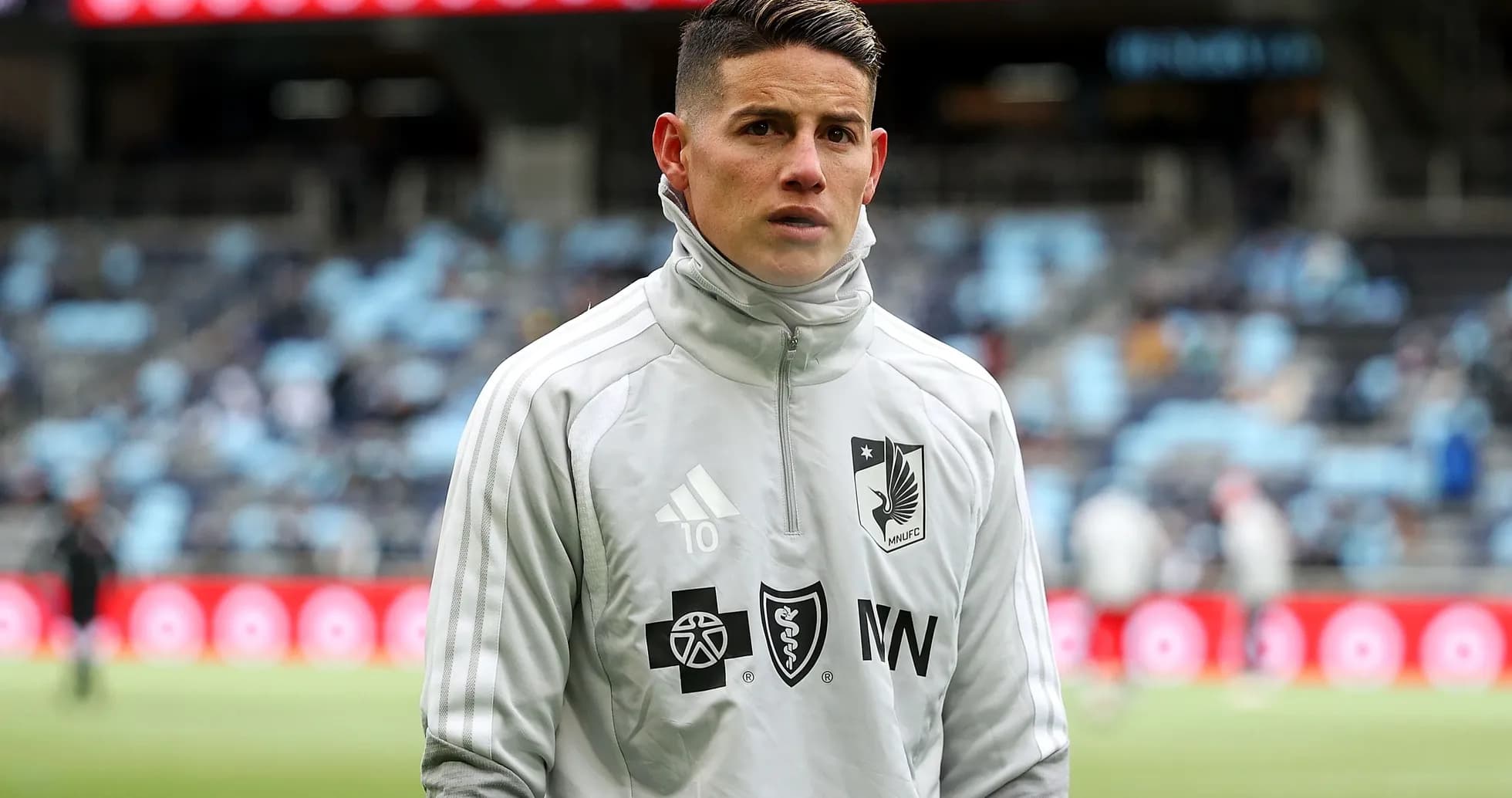
For a few uneasy days, the story of James Rodríguez stopped being about tactics, form or minutes played. It became about hospital wards, medical bulletins and a wave of anxiety that rippled from Minnesota to Medellín.
The Colombian playmaker, now with Minnesota United, fell seriously ill after returning from international duty with Colombia during the recent break. What began as a routine friendly against France on 29 March – a 3-1 win for Les Bleus – ended with one of the game’s most recognisable No 10s in a worrying state.
By the final whistle, the 34-year-old 2014 World Cup top scorer was already showing clear signs of extreme physical exhaustion. Those symptoms escalated quickly over the next few hours. Doctors later delivered the diagnosis: severe dehydration.
Two days later, on the morning of 31 March, the situation had become serious enough that James was admitted to hospital. He stayed there for three days under constant medical supervision, receiving fluids and intravenous treatment to stabilise his condition. Only once the staff were satisfied with his progress did they discharge him, with his recovery to continue at home under the watch of a specialist medical team.
In the information vacuum that surrounded his hospital stay, the story took a sharp turn.
Reports in the United States claimed James was suffering from rhabdomyolysis – a serious condition caused by the breakdown of muscle tissue that can trigger kidney failure and, in extreme cases, prove fatal. The word spread fast, and with it the sense of alarm.
Minnesota United moved just as quickly to stamp it out.
The club issued a forceful statement rejecting the reports and insisting there was no evidence to support such claims. They underlined that medical tests did not show any sign of the condition and called for calm, stressing their commitment to both the health and privacy of their players. They also urged media and fans to stop speculating and to rely only on official updates.
The message was clear: this was a case of severe dehydration, not something even more sinister.
For James, the timing could hardly have been worse. His move to MLS in February was supposed to mark a fresh chapter, a chance to rebuild his career in a new league and a new environment. Instead, his start in the United States has been dominated by fitness bulletins and stop-start attempts to get going.
So far, he has played just 39 minutes for Minnesota United. A series of physical issues has slowed his integration, raising familiar questions about his ability to stay fit long enough to influence a season.
This latest scare only intensified those doubts. Yet, as the panic eased, a more positive update arrived.
On Monday, the club confirmed that James had returned to the training ground. Not to full sessions, not yet, but it was a significant step. Under the close eye of the medical staff, he went through a light, individual workout – the kind of carefully controlled session that signals both caution and confidence.
The plan is measured: gradual integration into group training over the coming days, each stage aligned with clinical protocols and medical clearance. No shortcuts, no gambles with a player whose body has already endured more than enough strain.
For Minnesota United, the equation is simple. A fully fit James Rodríguez changes the profile of their attack and raises the ceiling of their season. For James, the equation is even more personal. After hospital rooms and rumours, just being back on the grass is the first step towards answering the only question that really matters now: how much football does he still have left to give?