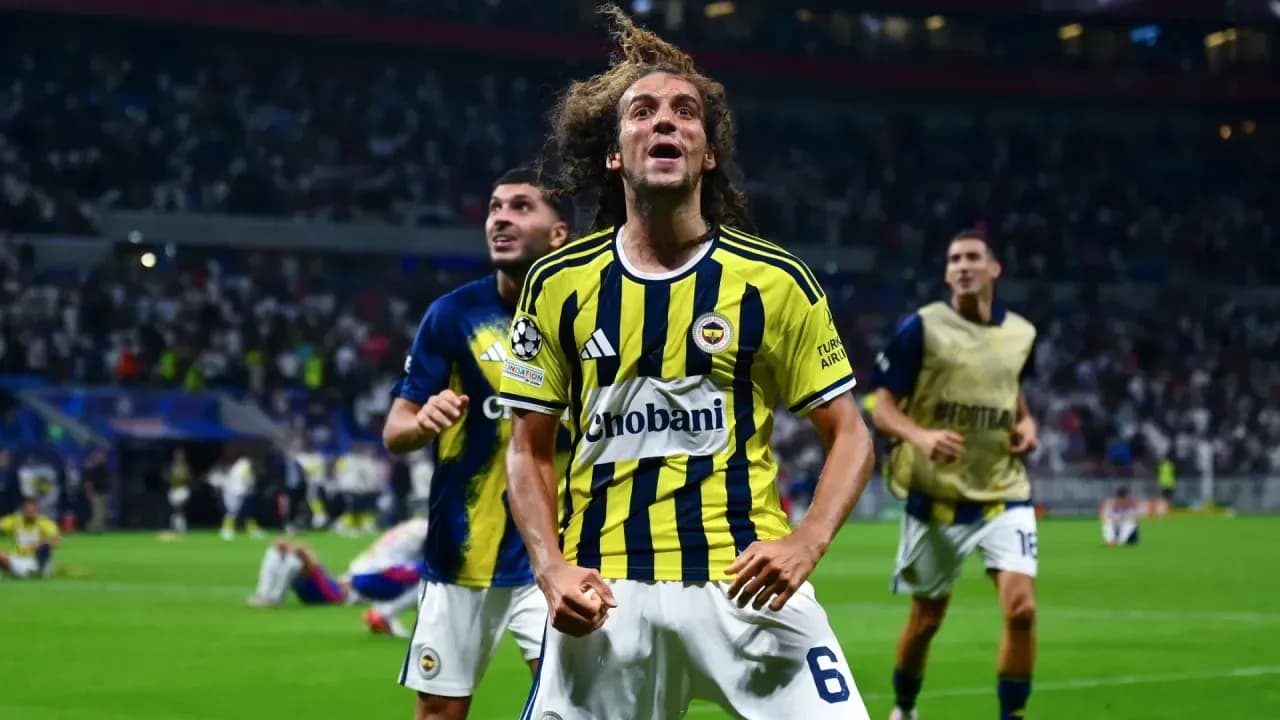
Lyon vs Fenerbahçe: UEFA Champions League Play-Off Preview
At Parc Olympique Lyonnais, Lyon host Fenerbahçe in the second leg of a UEFA Champions League play-off tie that will decide who reaches the lucrative group stage; with no league standings data available, the full seasonal weight here is binary: qualification and a financial/competitive boost for the winner, and an early reset for the loser.
Head-to-Head Tactical Summary
The sides have met twice recently, both with Fenerbahçe at home. On 18 August 2026 in the Champions League play-offs, Fenerbahçe drew 1–1 with Lyon in Istanbul, having trailed 0–1 at half-time. Earlier, on 23 January 2025 in the UEFA Europa League league stage, they played out a 0–0 draw in Istanbul. Across these two games, Lyon have been compact and hard to break down away, conceding only once, while Fenerbahçe have generally controlled territory but struggled to turn that into goals.
Global Season Picture
- League Phase Performance: There is no current group-stage or league table data available for either Lyon or Fenerbahçe in the 2026 Champions League, so goals for, goals against and points in the league phase cannot be quantified yet.
- Season Metrics: In the league phase for this Champions League campaign, Lyon have played 3 matches (1 win, 1 draw, 1 loss), scoring 5 goals and conceding 3. They have been strong at home with 3 goals scored and none conceded, and more open away with 2 scored and 3 conceded. Their discipline profile shows yellow cards clustered between minutes 31–60, indicating a rise in aggression around the middle phases of games. Fenerbahçe have a broader sample of 5 matches (3 wins, 2 draws, 0 losses), scoring 6 and conceding just 2, with 3 clean sheets. They show balanced attacking output home and away and a very tight defensive structure. Their yellow cards are concentrated late in matches (from minute 31 onwards, especially 76–90 and into added time), suggesting a physically intense, high-commitment style as games close.
- Form Trajectory: Lyon’s recorded form string of “LWD” points to an inconsistent but stabilising trajectory: a defeat, followed by a win and then a draw, hinting at improved resilience after an early setback. Fenerbahçe’s “WDWWD” indicates an unbeaten run with three wins and two draws, underlining momentum and confidence heading into this decisive play-off leg.
Tactical Efficiency
Across this Champions League campaign, Lyon’s numbers suggest a side with a relatively sharp attack at home (3 goals in 1 home match) but less control away, as shown by their 3 goals conceded in 2 away games. Their ability to keep a clean sheet at home and avoid failing to score at all so far indicates a baseline attacking reliability, but the loss and the goals conceded away reveal defensive vulnerability when stretched. Fenerbahçe’s metrics point to greater overall efficiency: 6 goals in 5 matches with only 2 conceded and 3 clean sheets signal a well-balanced structure, capable of managing games with and without the ball. Their consistent use of a 4‑2‑3‑1 in all 5 matches underlines tactical continuity, whereas Lyon’s mix of 4‑2‑3‑1 and 3‑4‑3 across 3 games suggests some ongoing adjustment in shape. Taken together, Fenerbahçe look the more stable and efficient side over a larger sample, while Lyon’s peak home performance level gives them a clear one-off threat in this second leg.
The Verdict: Seasonal Impact
This play-off second leg will largely define both clubs’ 2026 European trajectory. For Lyon, a positive result at home would confirm that their improving form and strong home outputs can offset away frailties, securing group-stage revenue and a platform to stabilise tactically after early-season experimentation. Failure to progress would mean dropping out before the group stage, leaving their European ambitions dependent on domestic performance and forcing them to address defensive balance away from home. For Fenerbahçe, arriving unbeaten with a strong defensive record and tactical continuity, qualification would validate their current structure as group-stage ready and strengthen their position as a regular Champions League presence. An exit, despite such a solid early run, would raise questions about their ability to convert territorial control and defensive solidity into decisive attacking returns in high-stakes away legs. In short, the tie is a hinge point: group-stage qualification would reinforce the winner’s tactical identity and financial base for the rest of the year, while the loser faces a strategic reset and pressure to compensate domestically.