Manchester United's Struggles Under Carrick: Déjà Vu for Fans
The mood around Manchester United was supposed to be different this year. New manager, new ideas, a barnstorming surge to third place last season under Michael Carrick. For a while, it felt like the club had finally found a path out of the wilderness.
Seven games into his first full campaign, that feeling has evaporated.
What’s left instead is something United fans know all too well: déjà vu. And not the good kind.
Results: Different manager, same stuttering start
Strip away the optimism and the numbers are blunt.
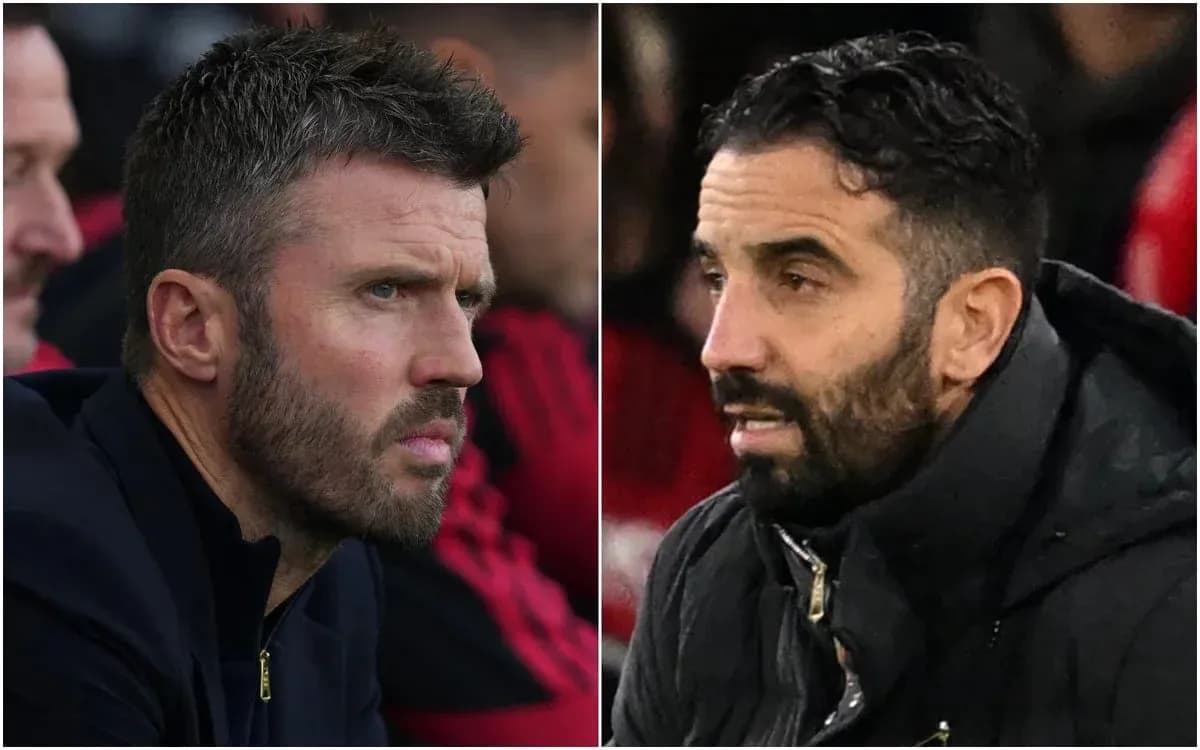
After seven games of this season, Carrick’s United have won two and lost three. That is exactly the same record Ruben Amorim had at the same stage last year. If you want to be harsher, you could throw in Amorim’s Carabao Cup penalty shoot-out exit to Grimsby in 2025-26 and say his start was technically worse. But it doesn’t change the broader picture.
United are already out of the Carabao Cup again, this time beaten by Brighton last week. Another early exit, another trophy avenue closed before autumn has really settled in.
The league table is equally unforgiving. Five games in, United sit 12th with just five points – their joint-lowest tally at this stage of a Premier League season. The only other time they stumbled to that number was in 2014/15 under Louis van Gaal.
Only newly promoted Ipswich have been beaten by United in the league so far. Everyone else has either taken points off them or watched them labour.
Compare that with Amorim’s opening stretch last season. Six of his first seven games were in the league, and United were 14th after home wins over Burnley and Chelsea. The margins are small, the similarities uncomfortably large.
Underlying data: Promise on paper, waste on the pitch
Look beneath the surface and the patterns tighten.
Last season, at this point, the expected points table had Amorim’s United sitting fourth, even as the real table showed them down in 14th. The data suggested a side creating enough to be near the top, but paying for poor finishing and fragile moments.
Fast forward a year. Carrick’s United are sixth in the expected points rankings, miles ahead of their actual position of 12th. Again, the numbers say this team should be better off than it is.
The main driver is the same: United are not turning chances into goals.
Under Amorim at this stage last season, United had scored just seven times in the league from an expected-goals total of 12.04. The gap was glaring. This season, the shortfall is smaller but still significant – an xG of 10.59 and only eight goals on the board.
The story is simple. United are creating. They are not finishing.
Last year, that wastefulness eased as the season wore on. United ended the campaign with an expected-goals figure only a little over three higher than their actual goals scored, a sign that finishing did improve.
You could look at that and argue this team is due a correction again, that the goals will come. Or you could look at the present and ask a harder question: do they actually have enough ruthless finishers to make the numbers count?
Context: Carrick’s credit vs Amorim’s dead end
The mood around Carrick is not yet what it was around Amorim. That matters.
Carrick walked into this season with genuine credit in the bank after that surge to third. His calm presence, his tactical tweaks, the sense of a coherent plan – all of it bought him time and goodwill.
Amorim never really had that luxury. After seven games of the 2025-26 season, the pressure was already close to boiling. He had taken just 34 points from his 33 league games in charge and had failed to win back-to-back Premier League matches. The narrative hardened quickly: this wasn’t working.
There was also a clear tactical target for critics. Amorim’s wing-back system was hammered week after week. Fans and pundits argued a back four would suit the squad better, yet he refused to move away from his structure. His stubbornness became the defining storyline of his reign.
Carrick hasn’t been boxed in like that. Not yet. The complaints after Sunday’s draw with lowly Fulham were less about shape and more about attitude – a lack of effort off the ball, with data to support the accusation. That kind of criticism cuts deep in Manchester. It suggests something more worrying than a tactical tweak: a drop in intensity.
The future: Lessons from Amorim’s fall
Amorim tried to project calm in the storm. "I am never concerned about my job," he said after United’s seventh game of last season, a 3-1 defeat at Brentford.
The results never truly turned. He clung on until January, and even then it took him publicly challenging the board to finally bring his tenure to an end. When he left, United were sixth – not a disaster on paper, but a long way from convincing.
He has since rebuilt at AC Milan, where he is unbeaten and just two points off the pace in Serie A. His ideas, his methods, his reputation have found a better fit elsewhere.
Carrick is nowhere near that cliff edge. He was only confirmed as permanent manager in May on a two-year deal, and the club hierarchy will not want to rip up the project at the first sign of turbulence. The atmosphere around him is tense, not toxic.
Yet the warning signs are already up. The data says United should be higher. The table says they are not. Performances like the one against Fulham add fuel to the doubt.
Gary Neville’s assessment on Sunday cut through the noise: "If those types of performances continue, he will find himself in a lot of trouble."
United have seen this film before. The question now is whether Carrick can change the ending.