Mexico vs Ecuador: World Cup Round of 32 Clash Analysis
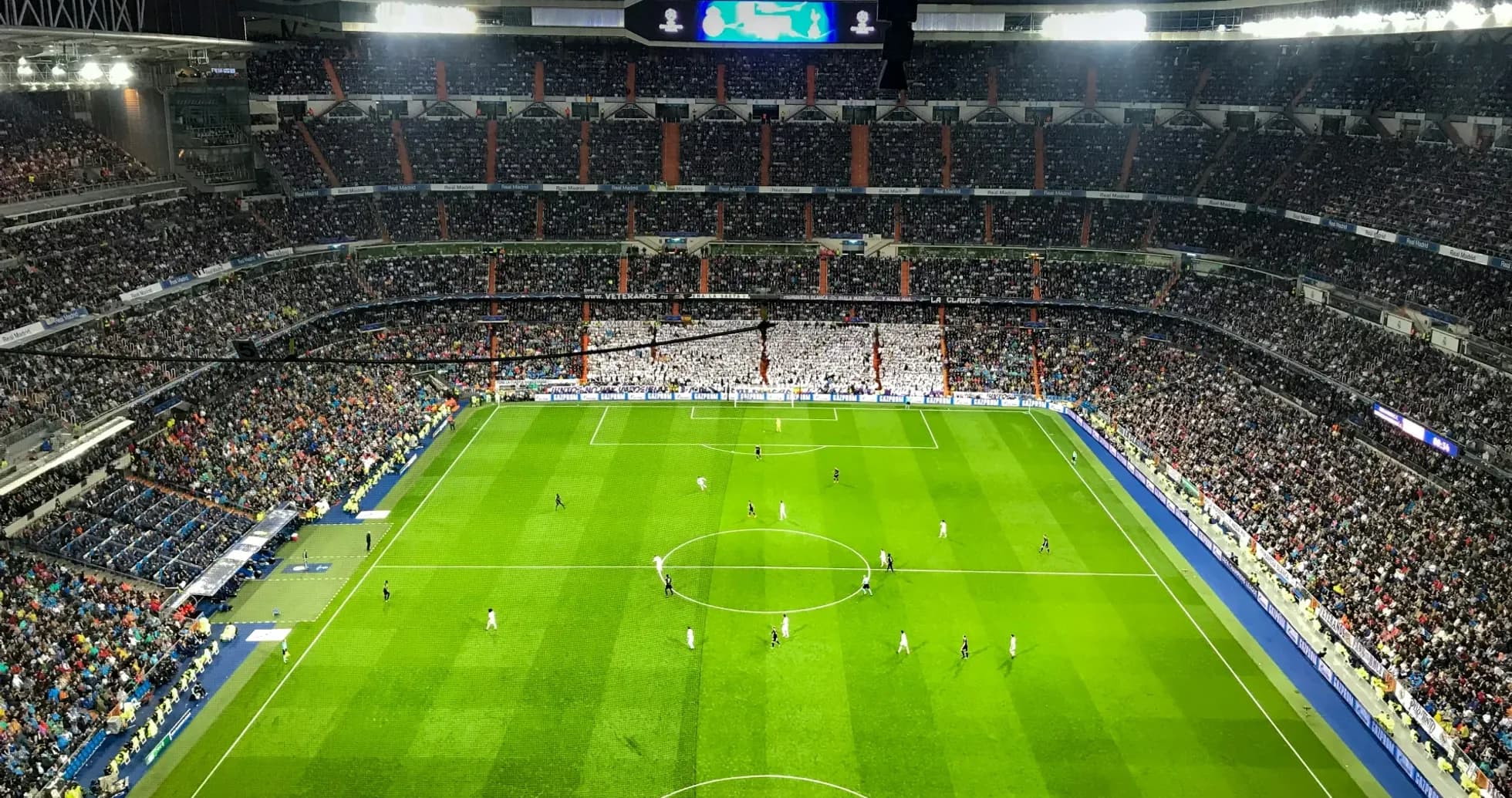
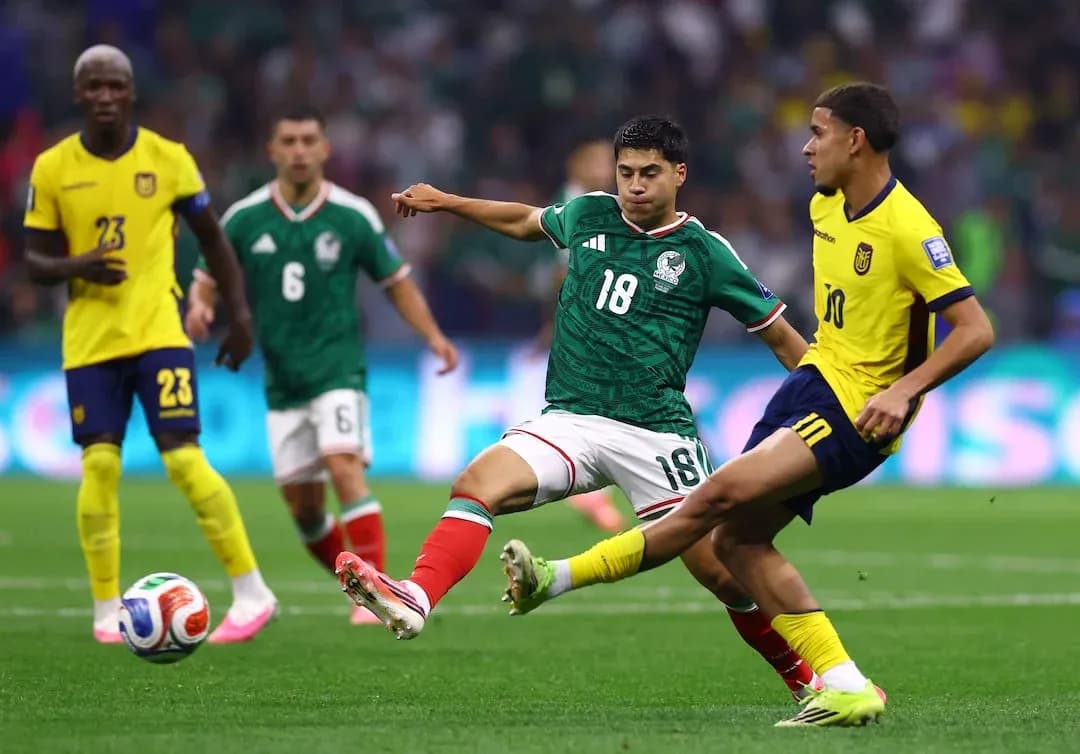
Under the lights of Estadio Banorte in Mexico City, this Round of 32 clash in the World Cup brought together two sides whose group‑stage stories had unfolded very differently. Mexico arrived as the embodiment of control: first in Group A with 9 points, a perfect record from 3 matches and a goal difference of 6, built on 6 goals scored and none conceded. Ecuador, third in Group E with 4 points and a neutral goal difference of 0 (2 scored, 2 conceded), came in as a more volatile proposition, capable of both resilience and collapse.
The 2–0 scoreline at half-time and at full-time underlined a pattern that had been developing all tournament. Overall this campaign, Mexico had played 4 matches, winning all 4. At home, they had played 3 times and won all 3, scoring 5 and conceding 0; on their travels, they had added 1 win from 1, with 3 goals for and 0 against. Their total attacking output of 8 goals across the campaign, coupled with a total average of 2.0 goals scored per match and a total average of 0.0 conceded, painted the picture of a side that strangles opponents with structure before punishing them with efficiency.
Javier Aguirre’s decision to revert to the familiar 4‑3‑3 was a statement of continuity rather than surprise. R. Rangel in goal was shielded by a back four of J. Gallardo, J. Vasquez, C. Montes and J. Sanchez – a line that had already delivered 4 clean sheets in 4 matches overall. In midfield, the trio of L. Romo, E. Lira and G. Mora formed a compact, workmanlike engine room, tasked with both screening and progressing play. Ahead of them, the front three of J. Quinones, R. Jimenez and R. Alvarado were designed to stretch Ecuador horizontally and vertically.
Tactical Analysis
The tactical spine of Mexico’s run so far has been their defensive perfection. Overall this campaign, they have not conceded a single goal, with a total average of 0.0 goals against both at home and away. The clean sheet numbers are ruthless: 3 at home, 1 away, 4 in total. Even their disciplinary profile hints at a side that picks its moments to foul and disrupt: 2 yellow cards in total, split evenly between the 16‑30 and 61‑75 minute windows, and a single red card shown between 91‑105 minutes in earlier play. It is a team that rarely loses control, but when it does, it tends to be late and in isolated incidents.
Within that structure, individuals have emerged as difference‑makers. J. Quinones, listed as a forward in this match but classified as a midfielder in the season data, has been Mexico’s most incisive weapon. Across the tournament he has scored 3 goals and provided 1 assist, with 9 shots (5 on target) and 8 dribble attempts, 6 of them successful. His 106 total passes with 7 key passes and an 80% accuracy rate make him both finisher and facilitator, constantly attacking the half‑spaces from the left or drifting inside to combine. On the opposite flank, R. Alvarado has been the creative metronome: 3 assists in total, 140 passes with 10 key passes and 82% accuracy. Together, they form a dual‑threat wide pairing that forces back lines to defend both the byline and the inside channels.
Behind them, C. Montes anchors the defence with a blend of composure and edge. Over the campaign he has made 137 passes at 89% accuracy, won 13 of 23 duels and blocked 1 shot. His presence on the top red card list – 1 red card in total – is the flip side of his aggression, a reminder that Mexico’s back line can occasionally step over the disciplinary line even while the collective structure remains sound.
Ecuador’s Struggles
If Mexico’s story is one of control, Ecuador’s is one of imbalance. Overall this campaign they have played 4 matches, winning 1, drawing 1 and losing 2. At home they have been competitive – 2 matches, 1 win, 1 draw, 2 goals for and 1 against, with a home average of 1.0 goals scored and 0.5 conceded. Away, however, they have struggled badly: 2 matches, 0 wins, 0 draws, 2 defeats, 0 goals scored and 3 conceded, with an away average of 0.0 goals for and 1.5 against. The total picture is stark: 2 goals scored, 4 conceded, a total average of 0.5 scored and 1.0 conceded, and 3 matches in which they have failed to find the net.
Sebastian Beccacece set Ecuador up in a 4‑4‑2, a shape that seeks to balance their athletic wide players with a double pivot in the middle. H. Galindez started in goal, behind a back four of P. Hincapie, W. Pacho, J. Ordonez and A. Franco. The midfield band of four – N. Angulo, P. Vite, M. Caicedo and J. Yeboah – was asked to compress space and spring forward in transition, while G. Plata and E. Valencia led the line.
Ecuador's Defensive Profile
The Ecuadorian defensive unit has quality but also a combustible edge. P. Hincapie is at the heart of that paradox. Across the tournament he has made 12 tackles, 2 blocked shots and 4 interceptions, winning 24 of 47 duels and completing 172 passes at 86% accuracy. Yet he also tops the red card charts with 1 red card in total and has collected 1 yellow. On the opposite flank, A. Franco is the tournament’s leading yellow‑card collector with 2 yellows, 7 fouls committed and 8 tackles, plus 1 blocked shot and 4 interceptions. His 125 passes at 96% accuracy underline how comfortable he is in possession, but his disciplinary record – also featuring prominently among the red‑card data – shows how often he operates on the edge.
Collectively, Ecuador’s card profile reveals a side that grows more ragged as matches wear on. Their yellow cards are concentrated between 31‑45, 46‑60, 61‑75, 76‑90 and 91‑105 minutes, with each of the first two windows accounting for 25.00% of their total yellows and the 61‑75 and 76‑90 windows each contributing 12.50%. Another 25.00% arrive between 91‑105 minutes. Their lone red card has also come between 91‑105 minutes. It is a pattern that suggests fatigue and frustration in the latter stages, precisely when Mexico’s disciplined, possession‑based game tends to squeeze the life out of opponents.
Matchup Analysis
In the “Hunter vs Shield” matchup, Mexico’s wide forwards – especially J. Quinones with his 3 total goals – are the hunters, while Ecuador’s back four, led by P. Hincapie and A. Franco, form the shield. Mexico’s total average of 2.0 goals scored per match meets an Ecuador defence that, on their travels, concedes an average of 1.5 and has yet to keep an away clean sheet. With Ecuador also failing to score in 2 away matches and 3 overall, the burden on G. Plata and E. Valencia to convert sparse chances is immense.
In the “Engine Room”, Mexico’s midfield trio of L. Romo, E. Lira and G. Mora faces the dynamism of M. Caicedo and the creativity of P. Vite. Yet the numbers favour Mexico: they have failed to score in 0 matches overall this campaign, while Ecuador have failed to score in 3. Mexico’s ability to dictate tempo and recycle possession through the middle, then feed their high‑output wide players, is likely to pin Ecuador’s central midfield back and starve their front two.
From a statistical prognosis standpoint, everything tilts towards Mexico. Their perfect record – 4 wins from 4 overall, 8 goals scored, 0 conceded, 4 clean sheets – combines with Ecuador’s travel sickness and blunt attack. With no penalties taken or missed by either side in the tournament so far, there is no hidden set‑piece edge to rescue Ecuador. The defensive solidity Mexico have shown, allied to the cutting edge of J. Quinones and the creativity of R. Alvarado, makes a continuation of their run more probable than an Ecuadorian upset.
Following this result, the 2‑0 scoreline feels less like a surprise and more like the logical conclusion of the numbers: a clinical, well‑drilled Mexico imposing their structure on an Ecuador side still searching for balance between aggression and control.