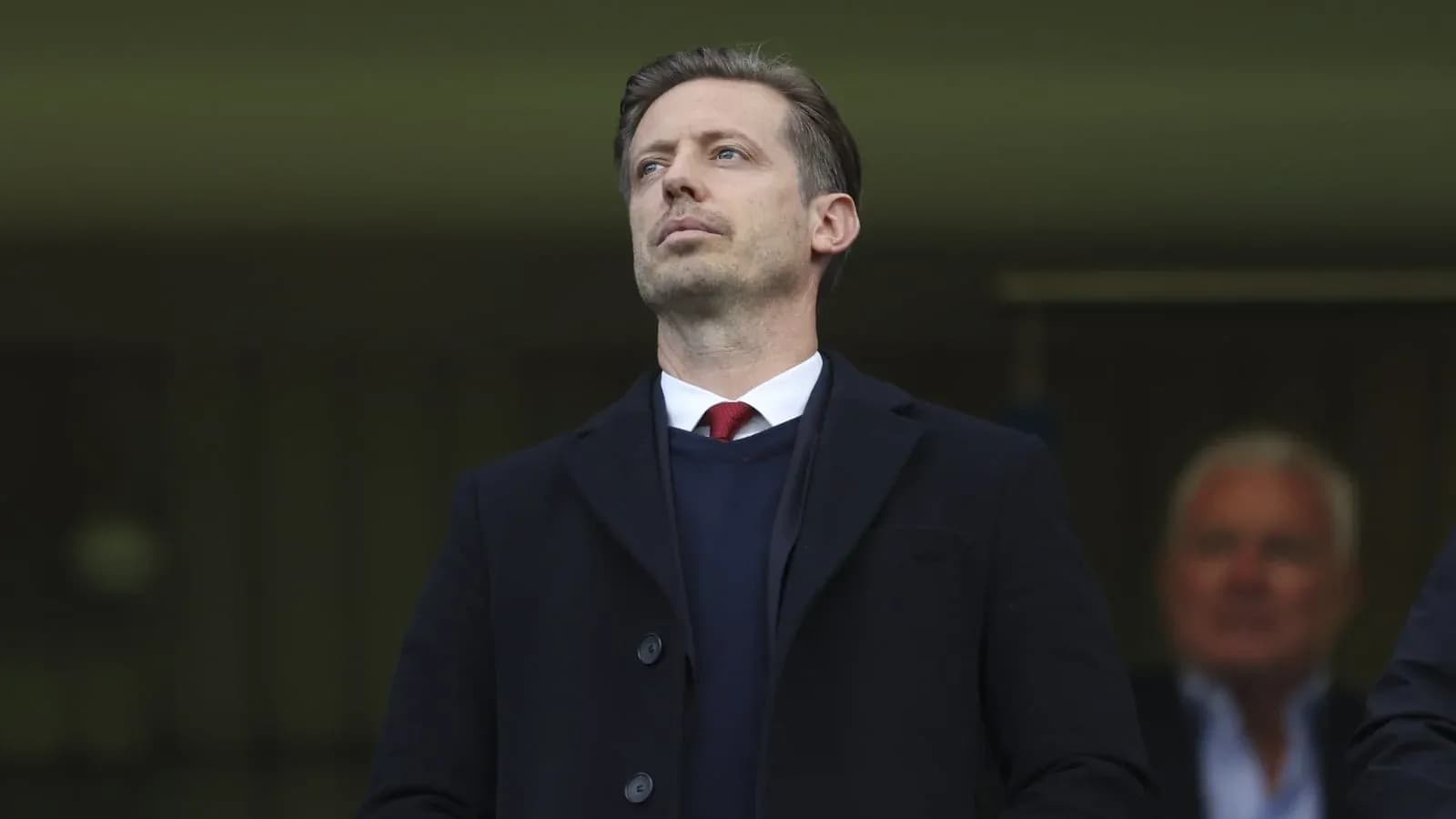
Michael Edwards Resigns: Liverpool's Football Blueprint Redrawn
Michael Edwards walks away again, and once more Liverpool and Fenway Sports Group are left to redraw the blueprint.
The architect of much of Liverpool’s modern-era success has resigned from his role as FSG’s chief executive of football, less than two years after returning to the organisation in a more powerful position. His exit, with a year still to run on his contract, lands at a delicate moment for the ownership group and for the club’s football structure.
A grand plan that never truly launched
Edwards, the club’s former sporting director, was brought back in 2024 after Jürgen Klopp’s departure, tasked with overseeing a multi-club model for FSG. It was a promotion in scope and influence: not just Liverpool’s squad and strategy, but the broader football portfolio the American owners hoped to build.
That vision never fully materialised. Late last year, FSG quietly put the multi-club project on ice. Once those plans were shelved, the dynamic shifted. It is understood Edwards quickly made clear his desire to move on, and attempts from ownership to convince him otherwise did not change his mind.
His own parting words carried the tone of someone who believed the job, at least as he saw it, was done.
"It has been a privilege to return to Fenway Sports Group and Liverpool Football Club at such an important moment," Edwards said in a statement. "I leave believing Liverpool is in a strong position, with outstanding people, a clear direction and the foundations in place for continued success."
He spoke of the twin pull that had brought him back: steering Liverpool through a period of transition after Klopp, and shaping FSG’s wider football ambitions. One of those missions moved forward. The other stalled.
"While that broader project ultimately evolved differently to how we had originally envisaged," he added, "I am proud of the work our team undertook in presenting ownership with a broad range of thoughtful and well-developed options for the future."
Leadership vacuum at a sensitive time
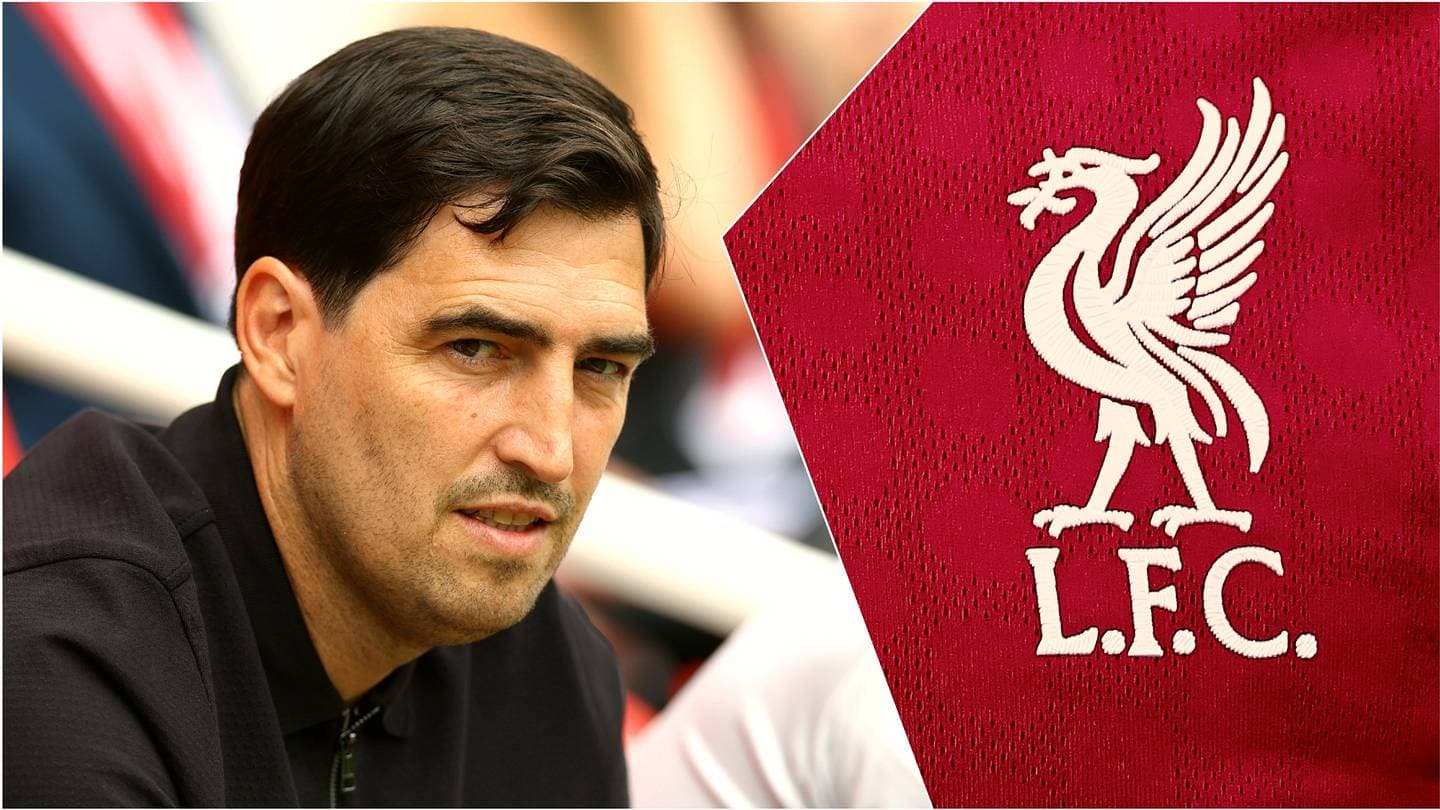
His departure does not come in isolation. Speculation continues to swirl around current sporting director Richard Hughes and reported interest from Saudi Arabia. If Hughes were to leave, Liverpool’s football operation would suddenly look thin at the top, just as the club tries to consolidate after the Klopp era.
Even without that scenario, Edwards’ exit strips away a key layer of expertise and continuity. FSG now face renewed questions about succession, structure and long-term planning — the very areas Edwards had been trusted to oversee.
For now, FSG president Mike Gordon will assume Edwards’ responsibilities. Gordon has long been one of the most influential figures behind the scenes at Anfield, but taking on the outgoing executive’s duties only underlines the scale of the reshuffle.
FSG’s public gratitude, and a nod to past glories
Gordon was quick to underline just how much weight Edwards carried within the organisation.
"When Michael returned in 2024, he did so at a pivotal moment for Liverpool, embracing a broader leadership role across our football interests in the process," he said, praising Edwards’ "extraordinary contribution".
"Throughout both periods he has consistently demonstrated exceptional judgement, integrity and an unwavering commitment to building a strong football organisation for the long term."
Gordon also linked Edwards’ influence directly to the club’s greatest modern-day domestic achievement, highlighting his role in Liverpool’s historic English league title triumph.
"His return to the organisation saw Liverpool successfully navigate a significant period of transition before securing the club’s historic English league title, an achievement to which Michael made an important contribution."
The message from FSG was clear: disappointment at losing him, but an insistence that his legacy is secure.
"While we are naturally disappointed to see him leave, we will always be grateful for everything he has given," Gordon said, before offering thanks on behalf of John Henry, Tom Werner and the wider group, and wishing Edwards and his family well.
Edwards, for his part, made sure to close by addressing those beyond the boardroom. He thanked Gordon, Henry, Werner and "everyone across FSG and Liverpool" for their support and friendship, before turning to the people who will feel the impact of these changes most keenly.
"Most importantly, the supporters, whose passion makes this club so special. I will always be grateful to have been part of its story."
The story now moves on without him. FSG must decide who writes the next chapter of Liverpool’s football operation — and how quickly they can restore the sense of clarity and direction Edwards insists he is leaving behind.