Roberto Mancini's Return: Italy's Squad for Nations League
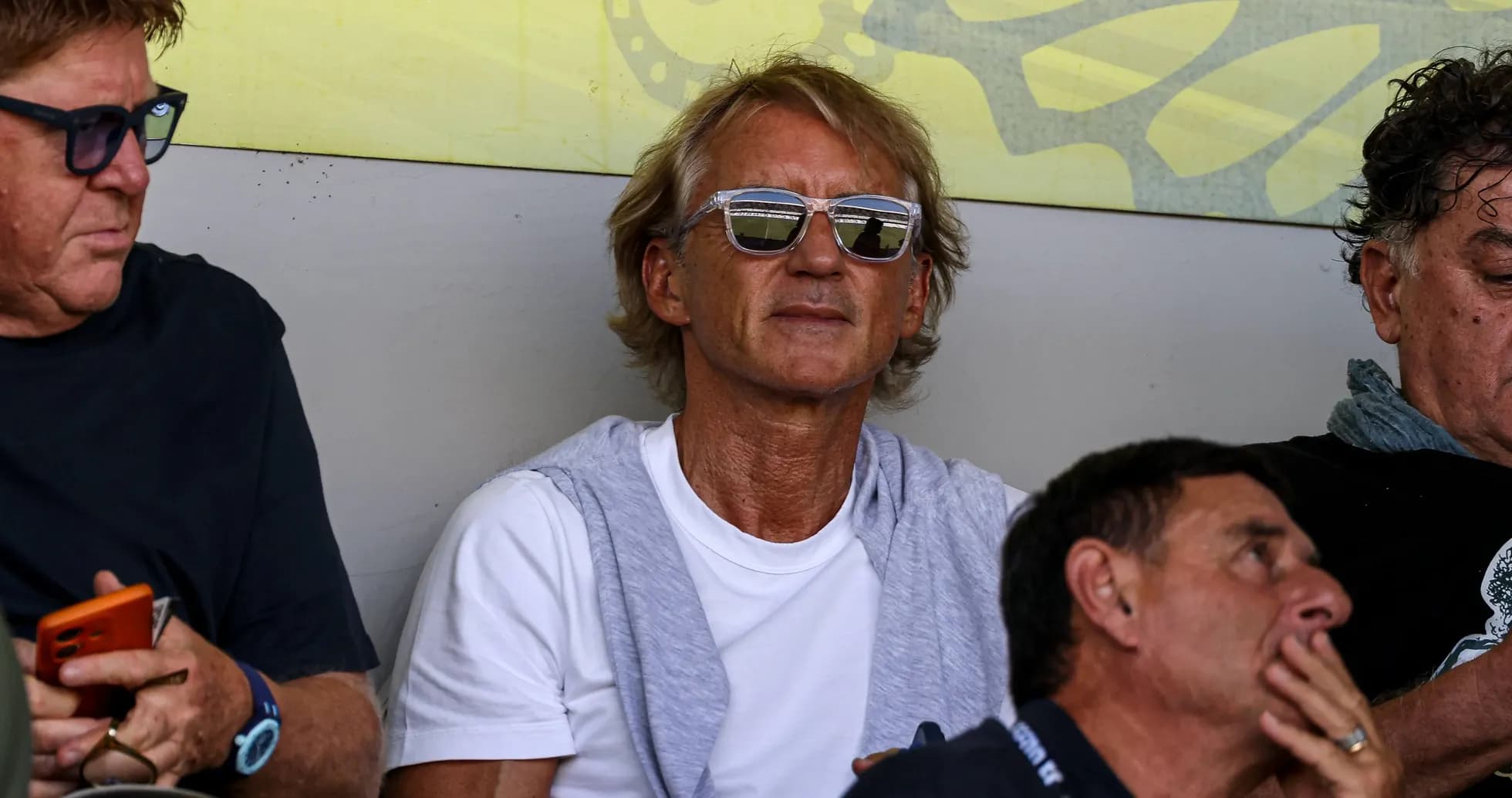
Roberto Mancini is back in charge of Italy, and he is not easing himself in.
According to La Gazzetta dello Sport, the returning head coach is preparing an extra-large squad of up to 35 players for the upcoming international window, a number that underlines both the scale of his rebuild and the brutality of the calendar. Four Nations League games in just 11 days will test every inch of the Azzurri’s depth.
A brutal schedule, a bloated squad
Mancini’s second spell begins more than eight years after his first appointment in May 2018, but the demands feel even heavier now. Italy open against Belgium in Rome on 25 September, then hit the road for trips to Turkey and France before coming back home to host Turkey again in Bologna.
With that kind of turnaround, rotation is not a luxury. It is survival.
That is why the provisional list is so swollen. Mancini wants options in every line, and he is ready to push new faces into the spotlight.
New names, new bets
Among the most eye-catching expected inclusions are uncapped prospects Romano, Zoma, and Samuel Inacio. Doumbia and Ahanor are also being lined up for potential call-ups, a clear sign that the door is wide open to players who can bring energy and freshness.
In goal, Bologna’s Pessina could be rewarded with a place alongside established names Gianluigi Donnarumma, Marco Carnesecchi, and Guglielmo Vicario. It is a packed goalkeeping group, but with four matches in under two weeks, every glove may be needed.
Midfielder Romano has forced his way into the conversation with his recent form. With Italy short of convincing options in central areas, his rise comes at the perfect time and could turn a leak in the squad into an opportunity.
Up front, German-based forward Zoma is being tipped to add something Italy have been chasing for a while: genuine width. An attacking department that has often looked narrow and predictable could suddenly have a different dimension if he adapts quickly.
Old guard still at the heart
For all the new names, Mancini is not tearing up the blueprint from Italy’s Euro 2020 triumph. Core figures from that success remain central to his thinking. Nicolò Barella, Giovanni Di Lorenzo, Bryan Cristante, and Alessandro Bastoni are all expected to feature and carry the weight of leadership in a group that will blend veterans with hopefuls.
Federico Bernardeschi, another Euro winner, is under consideration for a surprise recall, as is midfielder Rolando Mandragora. Both would bring experience and tactical flexibility, especially in a run of fixtures where game management will be as important as raw talent.
Injury blows and one eye on youth
The optimism around Mancini’s return is tempered by a harsh injury list. Federico Chiesa, Nicolò Zaniolo, Manuel Locatelli, and Alessandro Buongiorno are all ruled out, stripping Italy of creativity, physicality, and defensive stability in one hit.
Mateo Retegui, meanwhile, remains on holiday in Argentina, though Mancini could still summon him if the situation demands it. His status lingers in the background, a possible late twist if goals become a concern.
Despite the temptation to launch a full-scale revolution, Mancini has chosen restraint to protect the Italy Under-21 side. Talented youngsters Cher Ndour, Niccolo Pisilli, and Luca Koleosho will stay with Bernardo Baldini’s squad for crucial European qualifiers, rather than being fast-tracked into the senior setup.
The message is clear: rebuild, yes, but not at the expense of the next generation’s development.
High stakes in the Nations League
All of this experimentation comes with real jeopardy. Italy are not treating this as a gentle reintroduction for their returning coach. They are targeting a top-two finish in Nations League Group A, which would secure a place in the quarter-finals and keep them among the continent’s pace-setters.
These matches carry another layer of importance: they will influence seeding for the Euro 2028 qualification draw in Belfast. Points dropped now could mean a tougher path later.
Mancini’s second era starts with a bloated squad, a punishing schedule, and a delicate balancing act between past, present, and future. The question is not whether Italy have enough players.
It is whether this mix of loyal champions and bold newcomers can still make the Azzurri feared when it matters most.