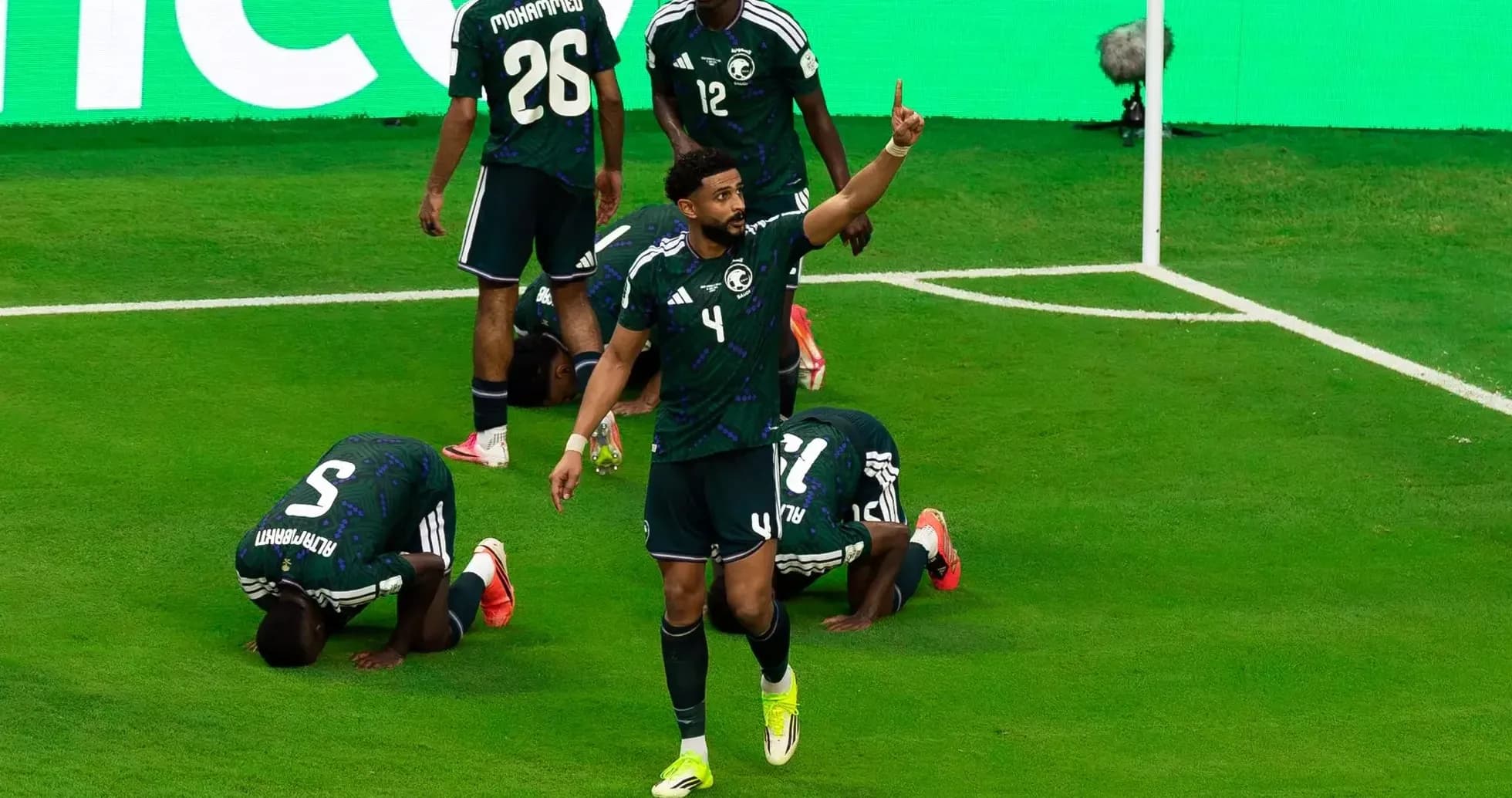
Saudi Arabia and Uruguay Draw in World Cup 2026 Opener
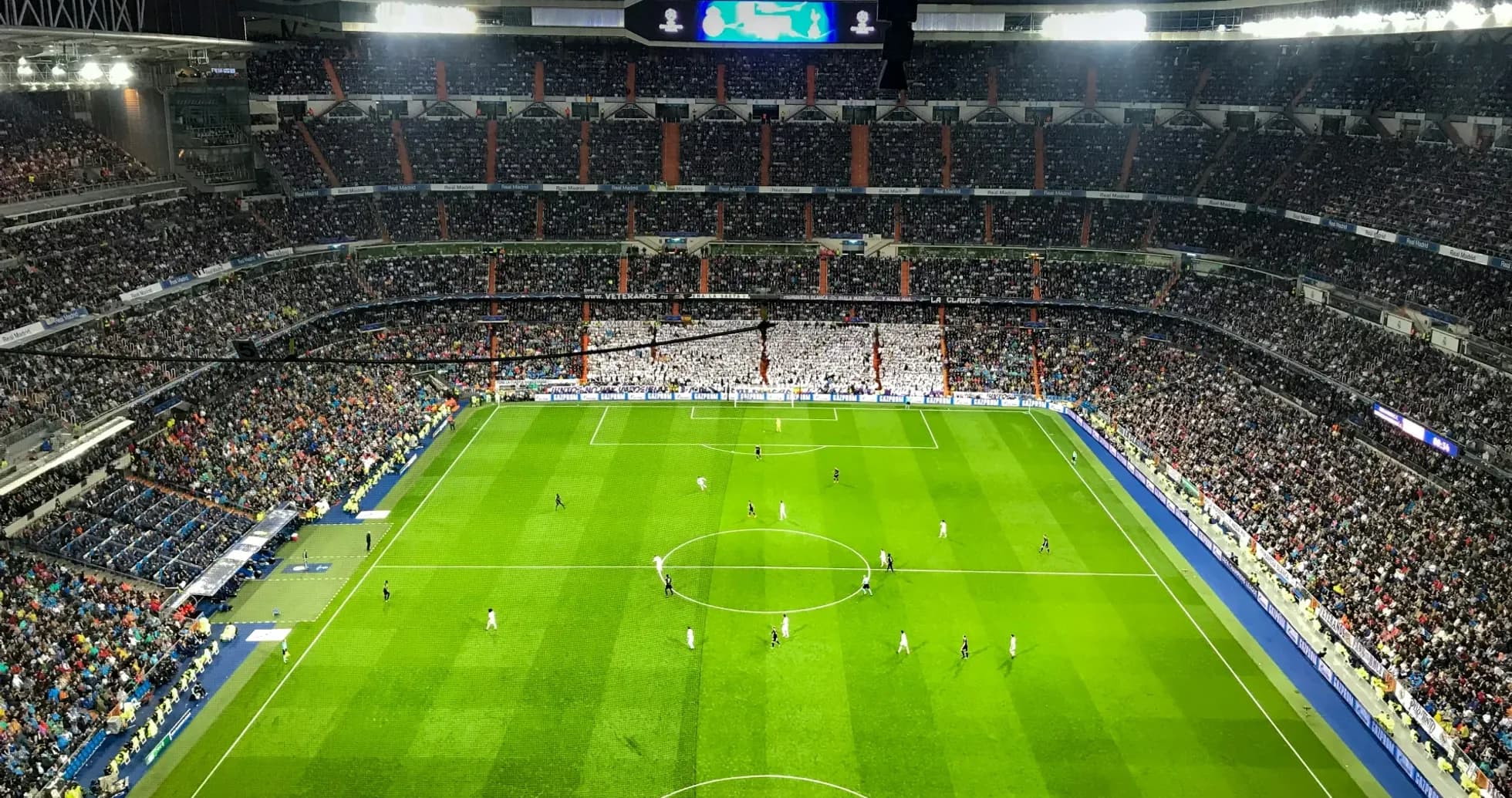
Under the Miami lights of Hard Rock Stadium, Saudi Arabia and Uruguay opened their World Cup 2026 campaigns with a 1–1 draw that felt less like a settled verdict and more like the opening chapter of a tactical chess match. Following this result, both sides sit level on 1 point in Group H, Uruguay nominally first and Saudi Arabia second, each with a goal difference of 0 after 1 match played in total, 1 goal scored and 1 conceded apiece. The symmetry on the table, though, disguises two very different footballing identities that emerged over 90 minutes.
I. The Big Picture: Structures and Seasonal DNA
Saudi Arabia, under Georgios Donis, leaned into a classic 4-4-2 that mirrored their broader World Cup profile so far: compact, disciplined, and reliant on collective work rather than individual stardom. Heading into this game, their season snapshot now reads 1 match in total, 1 draw, 0 wins and 0 defeats. At home in this World Cup context, they have played 1, drawn 1, scoring 1.0 goals per game and conceding 1.0.
Across from them, Marcelo Bielsa’s Uruguay arrived with a 4-2-3-1 that promised verticality and aggression. On their travels, Uruguay have now played 1 match, drawn 1, with an away average of 1.0 goal scored and 1.0 conceded. Both teams’ goal differences in total are precisely 0 (1 scored, 1 against), but the way they reach those numbers could not be more contrasting.
Saudi Arabia’s 4-4-2 was a line in the sand. M. Al Owais in goal sat behind a back four of S. Abdulhamid, A. Al Amri, H. Tambakti and M. Al Harbi. In front, a flat yet industrious midfield of M. Abu Al Shamat, M. Kanno, A. Al Khaibari and S. Al Dawsari supported the front pair of F. Al Buraikan and M. Al Juwayr. This is a side that, heading into this match, had never failed to score in this World Cup (0 failed-to-score games in total) but had also not kept a clean sheet.
Uruguay’s 4-2-3-1, by contrast, was built on a double pivot and high-tempo transitions. F. Muslera anchored the side, with a defensive line of G. Varela, S. Caceres, M. Olivera and M. Vina. Ahead, M. Ugarte and R. Bentancur formed the engine room, feeding an attacking trio of F. Valverde, F. Vinas and M. Araujo, all working behind the central reference D. Nunez. Like Saudi Arabia, Uruguay had neither failed to score nor kept a clean sheet in total so far, but their identity is more about controlled chaos than rigid order.
II. Tactical Voids and Discipline
Injuries and suspensions did not distort the squad pictures here; the real voids were structural. Saudi Arabia’s 4-4-2 can easily become a 4-4-1-1 when M. Al Juwayr drops into pockets, but it also risks leaving the midfield outnumbered against Uruguay’s 4-2-3-1, especially when F. Valverde and F. Vinas drift inside to create overloads.
Discipline could quietly shape Saudi Arabia’s campaign. Their card distribution shows a sharp spike: 100.00% of their yellow cards in total so far have arrived between 31-45 minutes. That late-first-half edge hints at a team that pushes the physical and emotional line as the interval approaches. No red cards yet for either side, and Uruguay’s record is clean of yellows so far, but the pattern suggests that future opponents may look to provoke Saudi Arabia in that 31-45 window, especially around 45+4', when concentration and composure are often stretched.
III. Key Matchups: Hunter vs Shield, Engine Room Battles
Hunter vs Shield will define how these squads evolve in Group H. For Saudi Arabia, the “hunter” is more collective than individual. F. Al Buraikan and M. Al Juwayr operate as a complementary pair: one running channels, the other dropping into the half-spaces to link with S. Al Dawsari. Heading into this game, Saudi Arabia’s home goals-for average of 1.0 in total underscores a side that creates just enough to be dangerous if given space between the lines.
Uruguay’s shield is layered rather than singular. S. Caceres and M. Olivera form a physically imposing central pairing, but the real protection comes from the double pivot. M. Ugarte screens aggressively, stepping out to meet Saudi forwards early, while R. Bentancur reads the second ball and plugs gaps. Against a front two, their spacing becomes critical; step out too high and F. Al Buraikan can spin into the channels, drop too deep and M. Kanno can advance to shoot or slip passes into the box.
In the opposite direction, Uruguay’s hunter is unmistakable. D. Nunez, supported by the roaming creativity of F. Valverde, F. Vinas and M. Araujo, thrives on broken play and quick deliveries into space. Saudi Arabia’s central defenders, A. Al Amri and H. Tambakti, must manage his depth runs while trusting M. Al Harbi and S. Abdulhamid to handle the wide threats.
The engine room duel is equally compelling. M. Kanno and A. Al Khaibari will often find themselves 2v2 against Ugarte and Bentancur. If Saudi Arabia’s pair can slow the tempo, they tilt the match towards their structured lines and measured attacks. If Uruguay’s double pivot impose their rhythm, Saudi Arabia risk being stretched horizontally, with F. Valverde ghosting into pockets between the lines.
IV. Statistical Prognosis: Margins, xG Tendencies and Defensive Solidity
Even without explicit xG numbers, the underlying tendencies are clear. Both teams average 1.0 goals scored and 1.0 conceded in total, suggesting a baseline of balance rather than extremes. Neither has yet found a way to shut games down—0 clean sheets in total for both—so future fixtures in this group are likely to feature chances at both ends.
Saudi Arabia’s season so far hints at a side that will live in the margins: compact blocks, limited but focused attacking waves, and a reliance on set patterns rather than chaos. Uruguay, with their 4-2-3-1 and away average of 1.0 goal scored, are built to generate higher xG through volume and verticality, even if that leaves them open in transition.
Following this result, the prognosis is of a group finely poised. Saudi Arabia’s structural discipline and Uruguay’s dynamic aggression are two sides of the same competitive coin. If Saudi Arabia can maintain their defensive concentration beyond that volatile 31-45 minute band and if Uruguay can sharpen their final-third decision-making without compromising their back line, both have the statistical and tactical foundations to progress from Group H—though neither, on this evidence, will do it the easy way.