Spain and Cape Verde Islands Draw in World Cup 2026 Opener
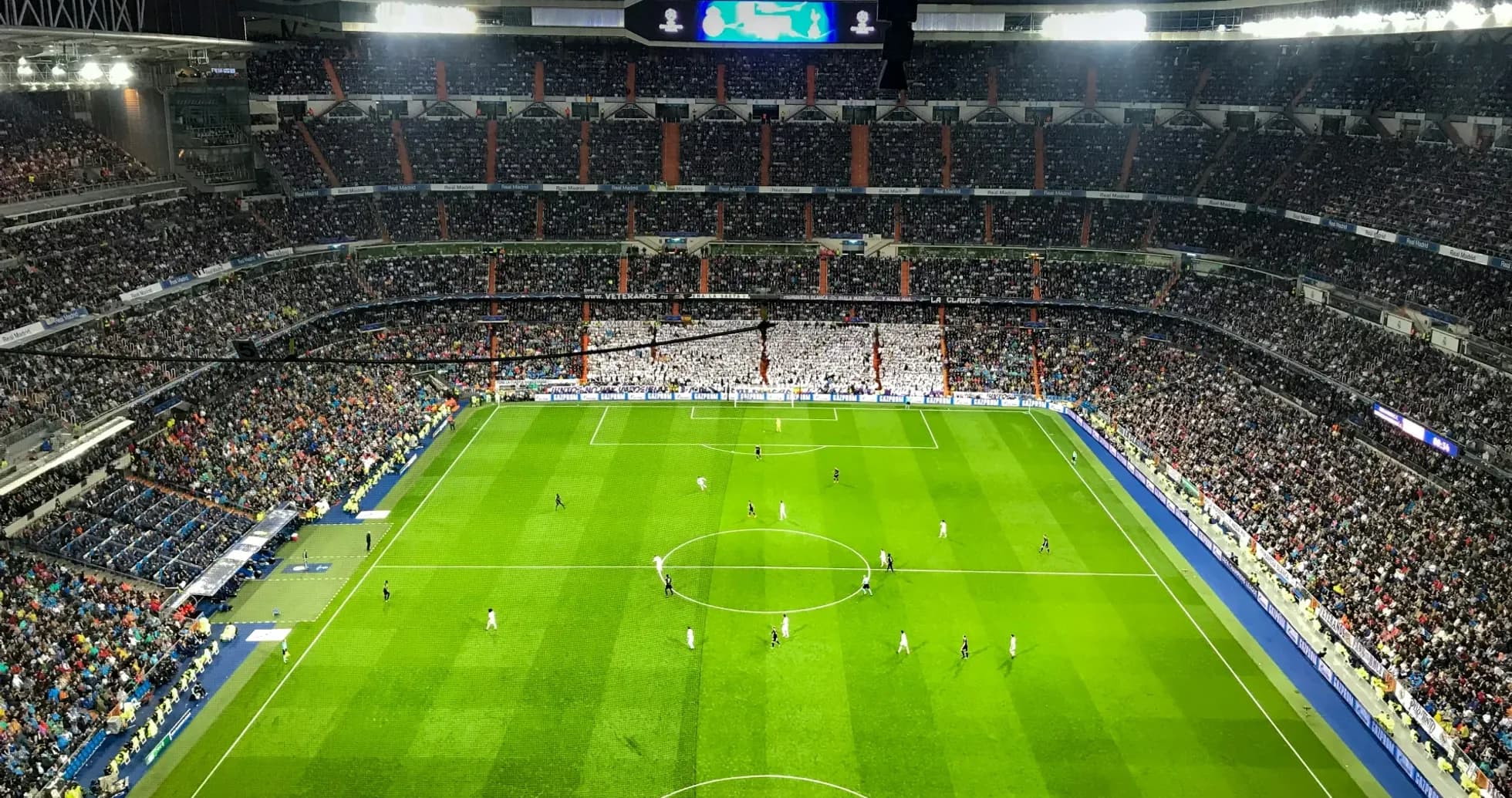
In the closed bowl of Mercedes-Benz Stadium, Spain and Cape Verde Islands opened their World Cup 2026 journeys with a goalless draw that revealed as much about their tactical identities as the scoreboard tried to conceal. Following this result, both sides sit on 1 point in Group H, Spain ranked 3rd and Cape Verde Islands 4th, each with a goal difference of 0 from 0 goals scored and 0 conceded overall. On paper, it reads as stalemate; on the pitch, it was a study in contrasting structures and the early-stage nerves of a tournament opener.
I. The Big Picture – Shapes, Control and Caution
Spain lined up in their familiar 4-3-3 under Luis de la Fuente, a system already used once this World Cup according to their season data. Unai Simón anchored the back, shielded by a back four of Marcos Llorente, Pau Cubarsí, Aymeric Laporte and Marc Cucurella. Ahead of them, a technically rich midfield trio of Fabián Ruiz, Rodri and Pedri was tasked with dictating rhythm, while Ferran Torres, Mikel Oyarzabal and Gavi formed an unusually industrious and flexible front line.
Across from them, Pedro Leitão Brito sent Cape Verde Islands out in a 4-1-4-1, the same formation they have deployed in their only World Cup outing so far. Vozinha stood in goal behind a disciplined defensive line of S. Moreira, R. Lopes, D. Borges and S. Lopes Cabral. K. Lenini sat as the single pivot, with a hard‑working midfield band of R. Mendes, L. Duarte, J. Monteiro and J. Cabral supporting lone forward D. Livramento.
Heading into this game, both teams’ season statistics painted a similar picture: 1 match played, 0 wins, 1 draw, 0 defeats overall, with 0.0 goals scored and 0.0 conceded per game in total. Each had kept a clean sheet and failed to score in their only outing. The data foreshadowed a tight affair, and the 0–0 full-time scoreline stayed true to type.
II. Tactical Voids and Discipline – Where the Edges Showed
With no listed injuries or suspensions, both coaches had full squads at their disposal. The absences that mattered were structural rather than personnel-based.
For Spain, the void was in penalty-box presence. Their season metrics show 0 total goals and a 100% “under” record across all goal thresholds from 0.5 to 4.5 in total. The 4-3-3 offered circulation and control, but with Gavi operating high from the left and Oyarzabal often dropping to link, there was a lack of a fixed reference point to pin Cape Verde’s centre-backs. The result: sterile dominance rather than incision.
Disciplinary patterns underline a subtle risk in Spain’s approach. Their only recorded yellow card this tournament came very late, in the 91-105 minute window, accounting for 100.00% of their cautions. It hints at frustration or fatigue creeping into the closing stages when control fails to translate into goals.
Cape Verde Islands, by contrast, showed their edge early. Their lone yellow card so far came between 16-30 minutes, also 100.00% of their yellows, signalling an aggressive early stance to disrupt Spain’s rhythm. The standout in that regard was S. Lopes Cabral, already featuring among the competition’s leading carded players: 1 yellow card in 76 minutes, combined with 2 tackles, 3 interceptions in one dataset (2 in another snapshot), and 10–11 duels contested, of which he won 5. He walked the disciplinary tightrope without tipping into red – his red-card tally remains 0 despite his presence in the red-card leaderboard – but his combative style framed Cape Verde’s defensive identity.
III. Key Matchups – Hunter vs Shield, Engine Room vs Enforcer
In a match without goals, the “Hunter vs Shield” battle became more conceptual than statistical. Spain’s forwards have yet to register a single goal this World Cup, and their goals-for minute distribution is entirely blank: no period from 0-120 minutes shows any scoring activity. That meant the burden fell on Ferran Torres and Oyarzabal to threaten Cape Verde’s compact block.
Cape Verde’s shield held. Their goals-against profile mirrors Spain’s: 0 goals conceded overall, 0.0 per game in total, and a complete absence of conceded goals in any time band. In practical terms, this was embodied by the central pairing of R. Lopes and D. Borges, backed by the aggressive reading of play from S. Lopes Cabral on the left. With 17 passes at 82% accuracy, 2 tackles and multiple interceptions, Lopes Cabral not only defended his flank but also provided the first pass into transition whenever Cape Verde broke Spain’s press.
The real heart of the contest, though, was the “Engine Room” duel. Rodri and Fabián Ruiz, supported by Pedri’s angles between the lines, faced K. Lenini’s screening and the industrious quartet of R. Mendes, L. Duarte, J. Monteiro and J. Cabral. Spain’s season record of 1 clean sheet at home and 1 failure to score at home in total underscores a side that controls territory but can be blunted centrally if the opposition’s block holds its shape.
Lenini’s role as a single pivot was critical: he collapsed into a back five when Spain pushed both full-backs high, narrowing the central channels where Pedri and Gavi like to combine. Cape Verde’s early yellow in the 16-30 minute window reflects the intensity of that midfield resistance – tactical fouls to prevent Spain from turning possession into penetration.
IV. Statistical Prognosis – Where This Draw Points Next
Following this result, both teams extend their unbeaten but winless World Cup campaigns: 0 wins, 1 draw, 0 losses overall, 0 goals for and 0 against. With no penalties taken and therefore no penalties missed (0 total, 0 scored, 0 missed for each), there is no cushion of set-piece efficiency to lean on; both sides will need open-play solutions.
From an Expected Goals perspective – even without explicit xG figures – the underlying indicators are clear. Spain’s 100% “under” record on all goal thresholds in total, combined with their failure to score at home, suggests a side whose xG profile is likely respectable but underperformed in the box. Cape Verde’s mirror-image record, with a clean sheet away and a failure to score away in total, points to a low-event, risk-averse attacking blueprint but a sturdy defensive xG against.
The statistical prognosis is that Spain’s ceiling remains higher if they can convert territorial control into chances of higher quality, perhaps by introducing more direct runners like Lamine Yamal or a penalty-box striker from their deep bench in future games. Cape Verde Islands, meanwhile, look built for survival: a compact 4-1-4-1, disciplined early aggression, and a standout defensive full-back in S. Lopes Cabral capable of both duelling and progressing play.
As Group H tightens, this 0–0 in Atlanta feels less like a missed opportunity and more like a tactical prologue. Spain must find a cutting edge; Cape Verde must decide how much risk they are willing to add to an already robust defensive script. The numbers so far say neither side has blinked. The next fixtures will demand that someone does.