Tottenham's Fragile Start Continues with Aston Villa Defeat
Tottenham’s slide feels horribly familiar.
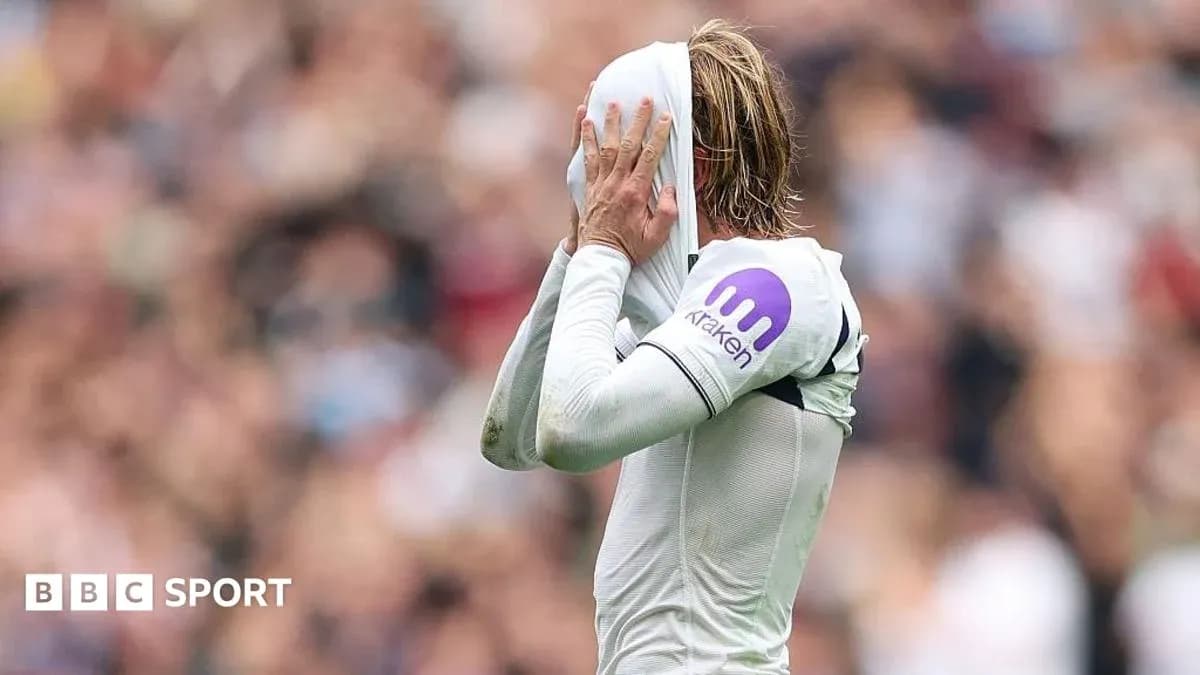
The more they attacked, the more inevitable the punch in the gut at the other end felt. By the time Aston Villa walked off with a 3-2 win, Roberto De Zerbi’s verdict cut straight through the noise: “Too fragile.”
Fragile is exactly what this was.
Fast start, same old story
For 20 minutes, Spurs looked like a side trying to prove the table was lying. They pressed, they probed, they pinned Villa back. Zion Suzuki kept out Savio and Archie Gray, and the home crowd sensed a breakthrough.
They didn’t get it. And with this Tottenham team, that always comes at a cost.
The turning point arrived in first-half stoppage time, wrapped in chaos. Micky van de Ven was off the pitch receiving treatment after a blow to the face, leaving Spurs temporarily down to 10. Andy Robertson tried to prevent a corner, only to gift the ball straight to John McGinn. Boubacar Kamara’s shot caused panic, and Johan Manzambi reacted quickest to stab in from close range.
One lapse. One man down. One goal conceded. De Zerbi had seen enough to know the pattern.
Tottenham have now gone 36 Premier League games without winning after conceding first. When they went in 1-0 down, the script already felt written.
Spurs unravel as Villa strike
De Zerbi tried to adjust on the fly in that fateful first-half spell, dropping Rodrigo Bentancur into centre-back and pushing Mateus Fernandes into midfield. It didn’t hold. It didn’t convince him either.
“My focus is why we concede the first goal with 10 players,” he said. “We can stay stronger, communicate more, defend in a compact way.”
The second half briefly offered a flicker of hope. Mohammed Kudus thought he had dragged Spurs level on the hour, only for VAR to rule Robertson marginally offside in the build-up. The stadium groaned. The momentum drained.
Seven minutes later, Villa killed it.
Suzuki launched long, exactly the kind of direct ball De Zerbi had warned his players about. Nicolas Jackson latched onto it and punished Spurs with a ruthless finish. One simple route-one move, one more “unacceptable” goal in the manager’s eyes.
“We knew this season Aston Villa are playing 86% more long balls than last season,” De Zerbi said. “We had many meetings about it… The second goal we conceded was incredible.”
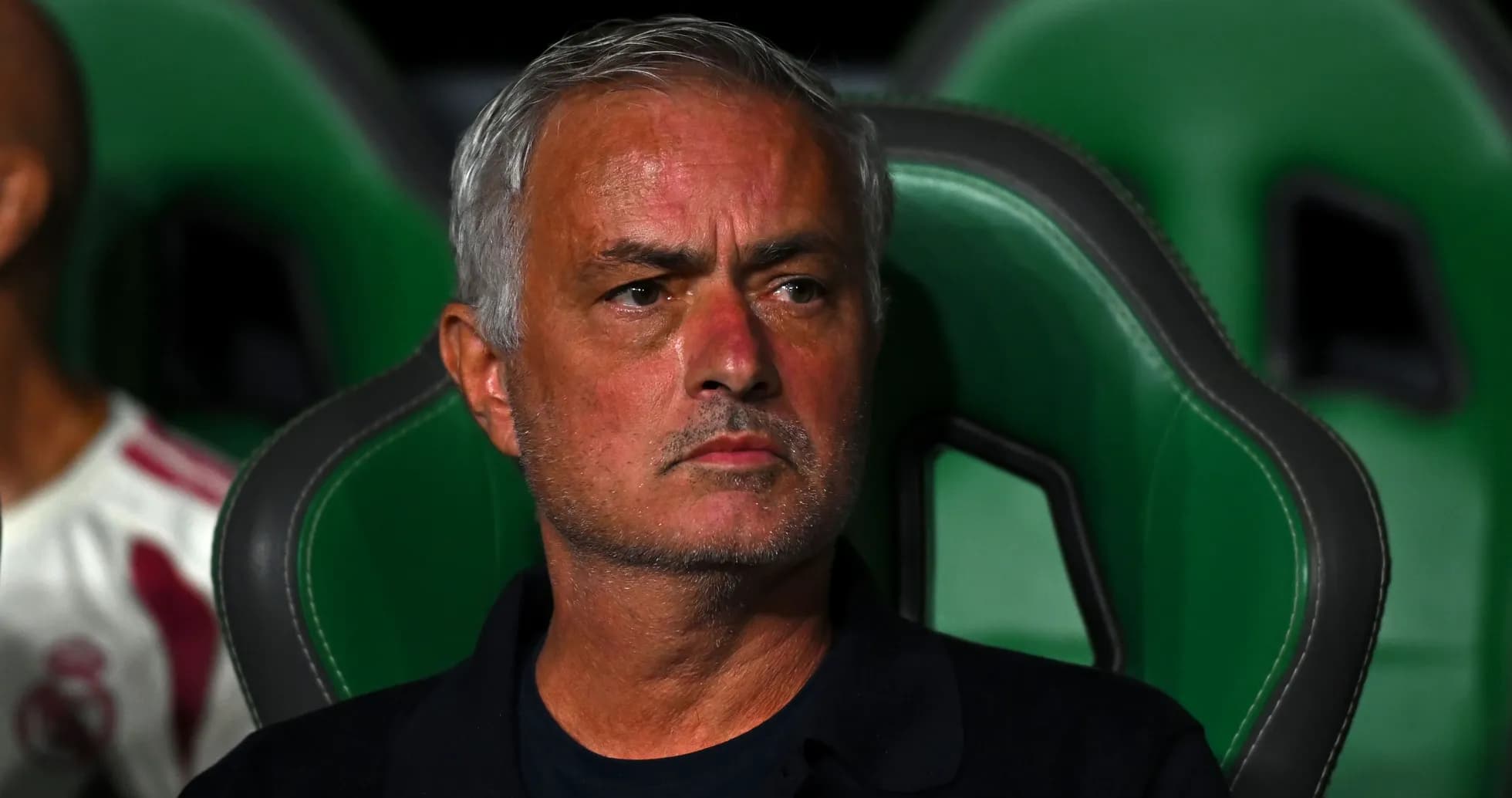
From there, the mood turned toxic. Villa fans taunted De Zerbi with chants of “Sacked in the morning” as he prowled the touchline, searching for answers his team could not provide.
Then came the hammer blow.
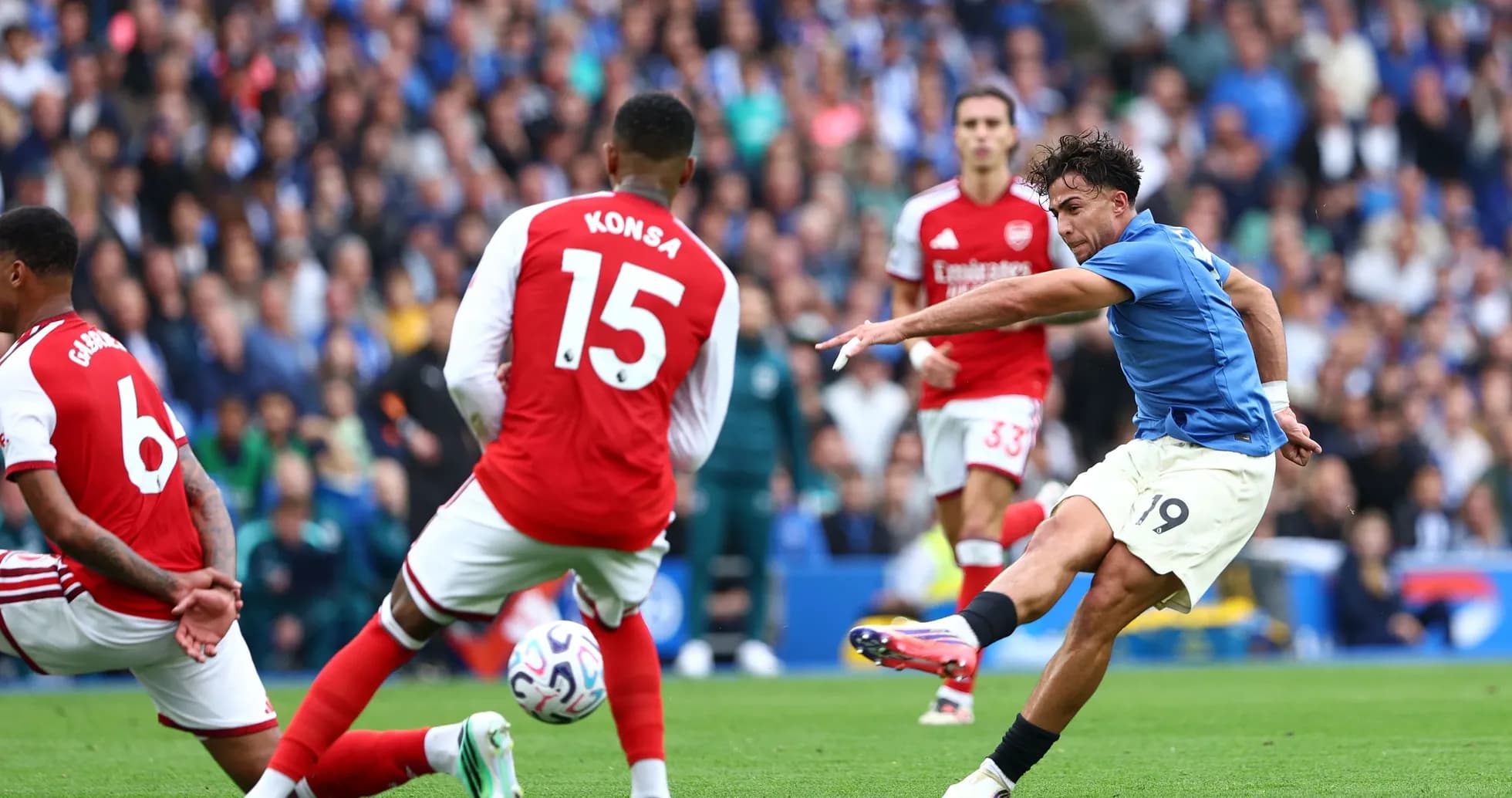
With 11 minutes left, Emi Buendia stepped inside and unleashed a stunning 25-yard strike into the top corner. A brilliant goal, a brutal moment. Thousands of home supporters headed straight for the exits, long before the final whistle and long before the late goals that followed.
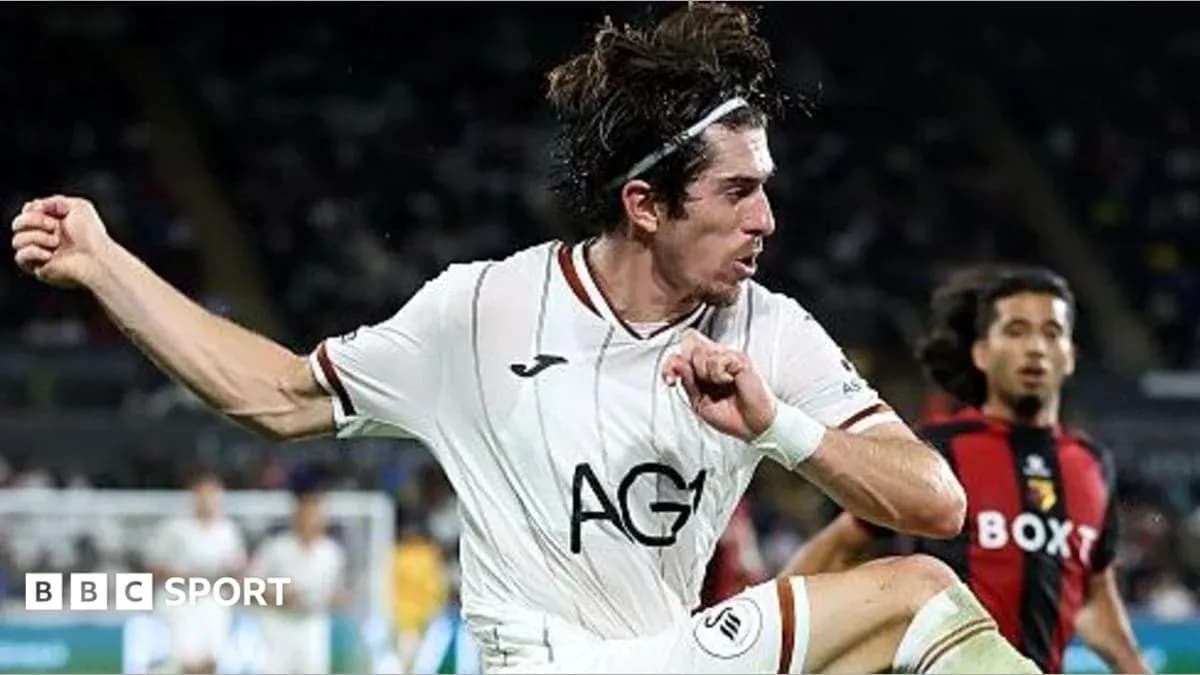
They missed Conor Gallagher pulling one back. They missed Jan Paul van Hecke adding another, Tottenham’s first Premier League goals of the season. On paper, 3-2 looks competitive. In reality, it never felt like that.
A club stuck in reverse
Strip away the late flurry and the numbers are stark. Two points from five games. No wins. Bottom three. More than £300m spent in the summer and no sign the problems are easing.
This is Tottenham’s worst start to a top-flight season since 2008-09, when they also had two points after five matches. Back then, Juande Ramos lasted three more league defeats before Harry Redknapp came in and dragged them up to eighth.
They have also gone five league games without a win at the start of a season for the first time since 1986. The scale of the rebuild, and the pressure on De Zerbi, is obvious.
Yet not everyone is calling for change. Former Brighton striker Glenn Murray believes the club must hold its nerve.
“He is trying to build something, it will take time,” Murray told BBC’s Final Score. “Taking the emotion out of it, looking at the stats, they have had more shots in three of the past four games, more possession and more touches in the opposition box.
“They are positives, be patient, the metrics are there to say he will turn it around. They need to be patient with Roberto De Zerbi, with all the signings, it takes time to gel and get to know each other.”
The numbers say there is a structure. The table says there is a crisis.
Villa’s reset, Spurs’ confusion
Across the technical area, Villa’s story looks very different.
They, too, have spent heavily – more than £250m – forced into a rebuild by high-profile departures. They, too, are navigating a period of transition after their Europa League triumph. But this win, their first league victory after three defeats in four, felt like a step in the right direction.
New faces are bedding in. The style is clear. The long-ball shift is deliberate, drilled, effective.
Spurs, by contrast, look like a club trying to buy their way out of trouble without solving the core issues. Sandro Tonali, the £100m marquee signing from Newcastle, was overshadowed by McGinn, Villa’s relentless captain and a £2.75m bargain from Hibs eight years ago.
Savio, the Brazil winger brought in to add spark, saw three efforts repelled by Suzuki before fading out of the contest. Omar Marmoush, recruited to bring goals, offered almost nothing.
While Villa’s spending looks like a plan, Tottenham’s looks like noise.
De Zerbi’s anger and the long break ahead
De Zerbi did not spare his players in his assessment, but he also did not use the dressing room to vent.
“I didn’t speak with the players afterwards, I didn’t want to say anything,” he admitted. Instead, he drew a line between those heading off on international duty and those staying behind.
“The players who go to the national team, they have to play and work. The others, Maddison, Gallagher, Solanke, Tosin, Senesi, Savio have to work more because their physical condition, I didn’t like in this game.”
Fitness. Focus. Leadership. All questioned.
He spoke of leaders needing to be leaders. Of the need to defend compact. Of the frustration of seeing another game mirror the collapse against Newcastle – a strong first half, a limp defeat.
“We cannot lose this game in this way,” he said. “I am very sad and frustrated with the performance.”
Now comes a three-week international break with no league win, no momentum, and a fanbase already glancing nervously at the table. De Zerbi insists the responsibility is his. The chants from the away end suggest others are ready to make that decision for him.
Tottenham have thrown money at the problem. The fragility remains. When the league resumes, we find out whether this is just a bad start – or the beginning of something far more damaging.