Germany Dominates Curaçao 7-1 in World Cup Opener
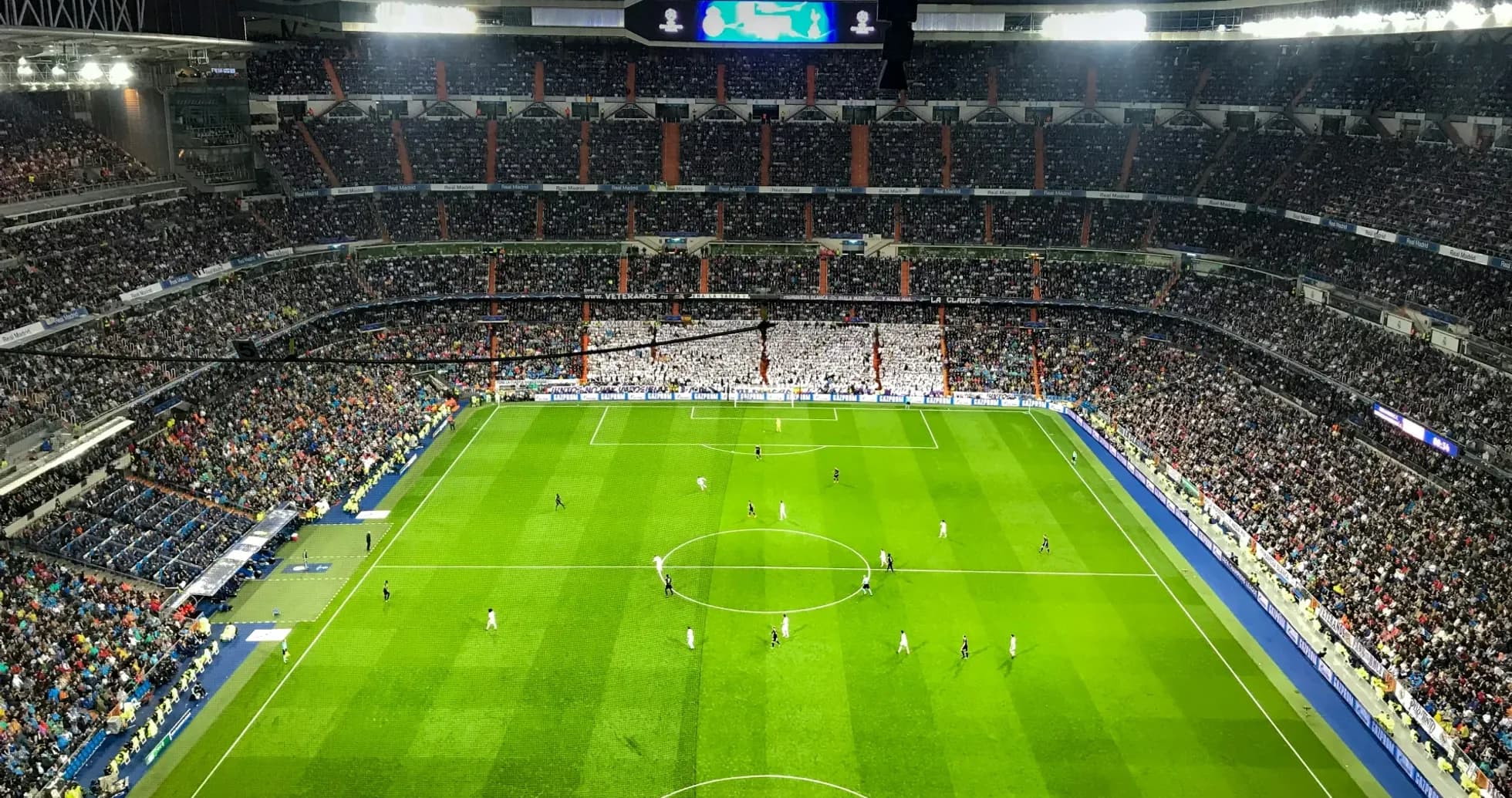
Under the closed roof of NRG Stadium in Houston, Germany’s World Cup campaign began with the kind of statement performance that reverberates far beyond a single group game. A 7-1 dismantling of Curaçao in Group E did more than deliver three points; it sketched out the tactical identities of both sides and hinted at the trajectories their tournaments might now follow.
I. The Big Picture – Structure and Intent
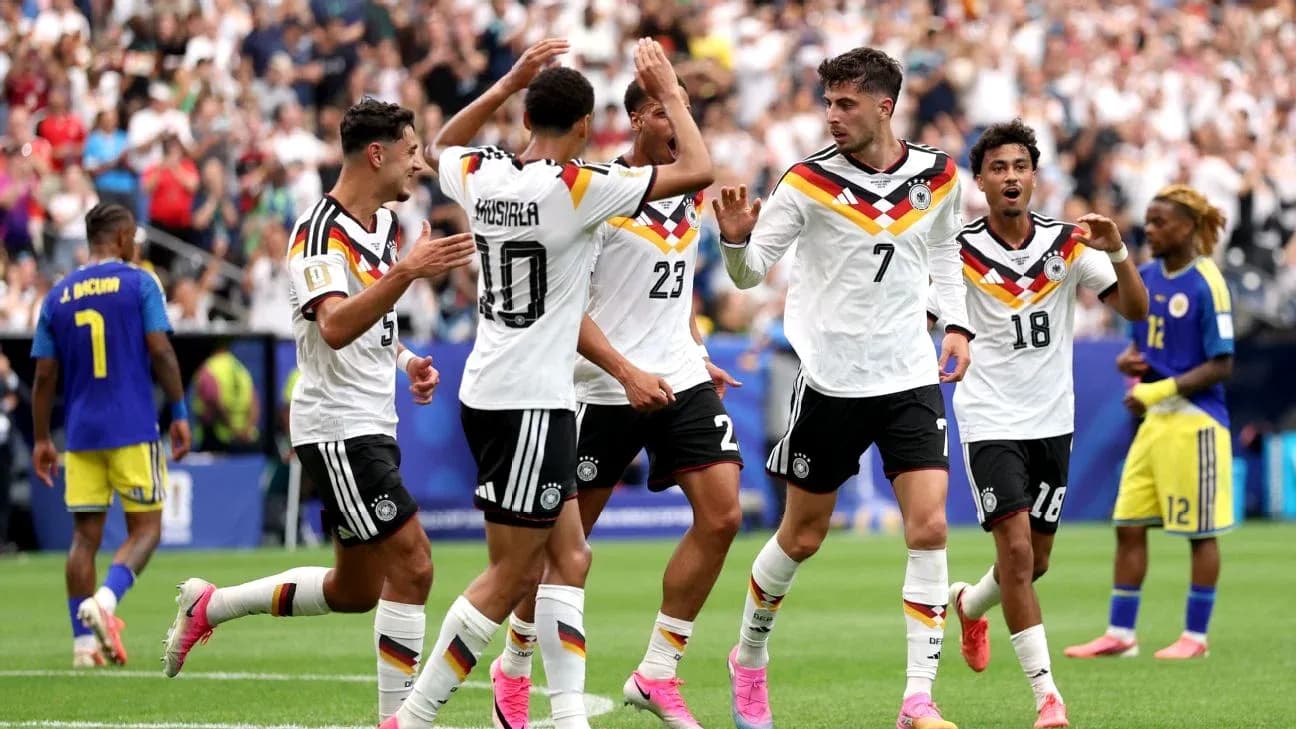
Julian Nagelsmann set Germany up in a 4-2-3-1 that looked almost textbook on paper but wonderfully fluid in motion. M. Neuer anchored a back four of J. Kimmich, J. Tah, N. Schlotterbeck and N. Brown, with F. Nmecha and A. Pavlovic as the double pivot behind an outrageously gifted line of three: L. Sané wide, J. Musiala central, F. Wirtz drifting from the left into half-spaces, and K. Havertz as the lone forward.
The numbers tell you how brutally effective this shape was. Overall this campaign, Germany have played 1 match and scored 7 goals, conceding 1. That gives them an overall goals-for average of 7.0 and goals-against average of 1.0, both drawn entirely from this home fixture. The goal difference of +6 (7 scored, 1 conceded) has them top of Group E with 3 points, already tagged with “Round of 32” in the standings. It is early, but the scale of the win matters in a World Cup where group winners are often decided on fine margins.
Curaçao, by contrast, arrived with a 4-3-1-2 under Dick Advocaat, hoping that density in central areas could slow the German carousel. E. Room was shielded by a back four of S. Floranus, R. Bazoer, A. Obispo and D. Fonville, with a midfield trio of L. Comenencia, L. Bacuna and J. Bacuna, T. Chong as a free 10, and a front pair of J. Locadia and S. Hansen. On their travels so far this campaign, Curaçao have played 1 match, scoring 1 and conceding 7, for an away goals-for average of 1.0 and goals-against average of 7.0. Their goal difference overall sits at -6, and they are bottom of Group E with 0 points.
II. Tactical Voids – Where the Game Broke Open
There were no listed absentees for either side, so this was as close to full-strength as the data allows. Yet the gulf in cohesion was stark.
For Germany, the double pivot of Nmecha and Pavlovic quietly solved the game. Nmecha’s vertical passing and Pavlovic’s positional discipline allowed the full-backs, especially Brown, to step high. Brown’s performance underlined Nagelsmann’s modern full-back template: he scored 1 goal and provided 1 assist, completing 36 passes with 88% accuracy and delivering 3 key passes. For a defender, that blend of end product and progression is a structural weapon, not a luxury.
Curaçao’s 4-3-1-2, meanwhile, created its own voids. With J. Locadia and S. Hansen staying high to threaten in transition and Chong tasked with linking, the wide channels behind Floranus and Fonville were exposed every time Germany rotated Wirtz and Sané inside. The Bacuna brothers, L. and J., were forced to defend huge lateral distances, and the midfield line often arrived a beat late to pressure the ball. That delay was fatal against a side whose passing tempo is as high as Germany’s.
Disciplinary data is blank for both teams in terms of card timing, which underlines a key narrative detail: this was not a match of cynical fouls or attritional breaks in play. Instead, it was an uninterrupted flow that suited Germany’s rhythm and punished Curaçao’s structural looseness.
III. Key Matchups – Hunter vs Shield, Engine Room vs Enforcer
Hunter vs Shield
K. Havertz emerged as the headline striker of the night and one of the early stars of the tournament. In total this campaign he has 2 goals from 2 shots, both on target, and a penalty scored. His 41 passes at 92% accuracy, plus 1 key pass, confirm he is more than a finisher; he is the front pivot around which Germany’s attack turns.
Curaçao’s “shield” – the central defensive duo of Bazoer and Obispo – were overwhelmed by the volume and variety of runs around them. With no data on individual defensive actions here, the team-level numbers tell the story: overall this campaign, Curaçao have conceded 7 goals from 1 match, with an away goals-against average of 7.0. The line was repeatedly dragged out by Havertz dropping between the lines, only for Musiala or Wirtz to burst beyond.
Engine Room – Playmaker vs Enforcer
If Havertz was the hunter, the true conductor was J. Kimmich. From right-back he effectively operated as a deep playmaker, stepping into midfield in possession. He produced 73 passes with 89% accuracy and 5 key passes, plus 2 assists. His heat map, if we had it, would likely show a player oscillating between touchline and interior, always offering the free man.
On Curaçao’s side, L. Bacuna was the closest thing to an enforcer-playmaker hybrid, but the structure left him firefighting rather than dictating. With Germany’s double pivot consistently outnumbering Curaçao’s central trio in the build-up (thanks to Kimmich’s infield movements), Bacuna and his partners were chasing shadows rather than setting traps.
Further up, J. Musiala’s numbers underline why he is so hard to contain: 1 goal from 1 shot on target, 2 key passes, and 4 successful dribbles from 5 attempts. He also won 9 of 14 duels, a rare blend of technical finesse and physical resilience. Every time Curaçao tried to compress central spaces, Musiala wriggled free, breaking lines and forcing the back four to retreat.
Then came the bench blow: D. Undav entered from the bench and changed the game’s tone. In just 26 minutes he scored 1 goal and delivered 2 assists, with 11 passes at 72% accuracy and 3 key passes. His movement into the right half-space dovetailed with Kimmich’s underlaps, compounding Curaçao’s problems in that channel.
IV. Statistical Prognosis – What This Result Projects
Following this result, the raw numbers are emphatic. Germany have played 1 match in total, winning 1, with 7 goals for and 1 against. They have yet to keep a clean sheet, but the single goal conceded is a minor blemish against an attack running at an overall 7.0 goals per game. Their penalty record is flawless so far: 1 taken, 1 scored, 0 missed, a 100.00% conversion rate.
Curaçao, on the other hand, have played 1 match on their travels, losing it 7-1. Their overall goals-for average of 1.0 suggests they can threaten in moments, but the overall goals-against average of 7.0 is unsustainable at this level. Without any clean sheets and with no penalties earned or scored, they lack both defensive security and the kind of set-piece lifeline that can swing tight games.
Projecting forward, Germany’s xG profile is not provided, but the volume and efficiency of their finishing – 7 goals with clinical shot conversion from Havertz, Brown, Musiala and Undav – hints at an attack that will continue to generate high-quality chances. The structural base is stable: the 4-2-3-1 has been used in 1 lineup out of 1, and the synergy between full-backs, double pivot and the attacking three looks baked in rather than improvised.
For Curaçao, the prognosis is more fragile. The 4-3-1-2 has also been used in 1 lineup out of 1, but unless Advocaat can quickly reinforce the flanks and shorten the distances between his lines, their defensive averages will continue to invite trouble. The central talent of players like Chong and the Bacunas will only matter if the team can first stop the bleeding.
In Houston, the scoreboard read 7-1, but the deeper story was about structure, roles and the cold logic of numbers. Germany leave with a perfect record and a fearsome attacking aura; Curaçao depart with questions about balance, bravery, and how quickly they can adapt before the group tightens around them.