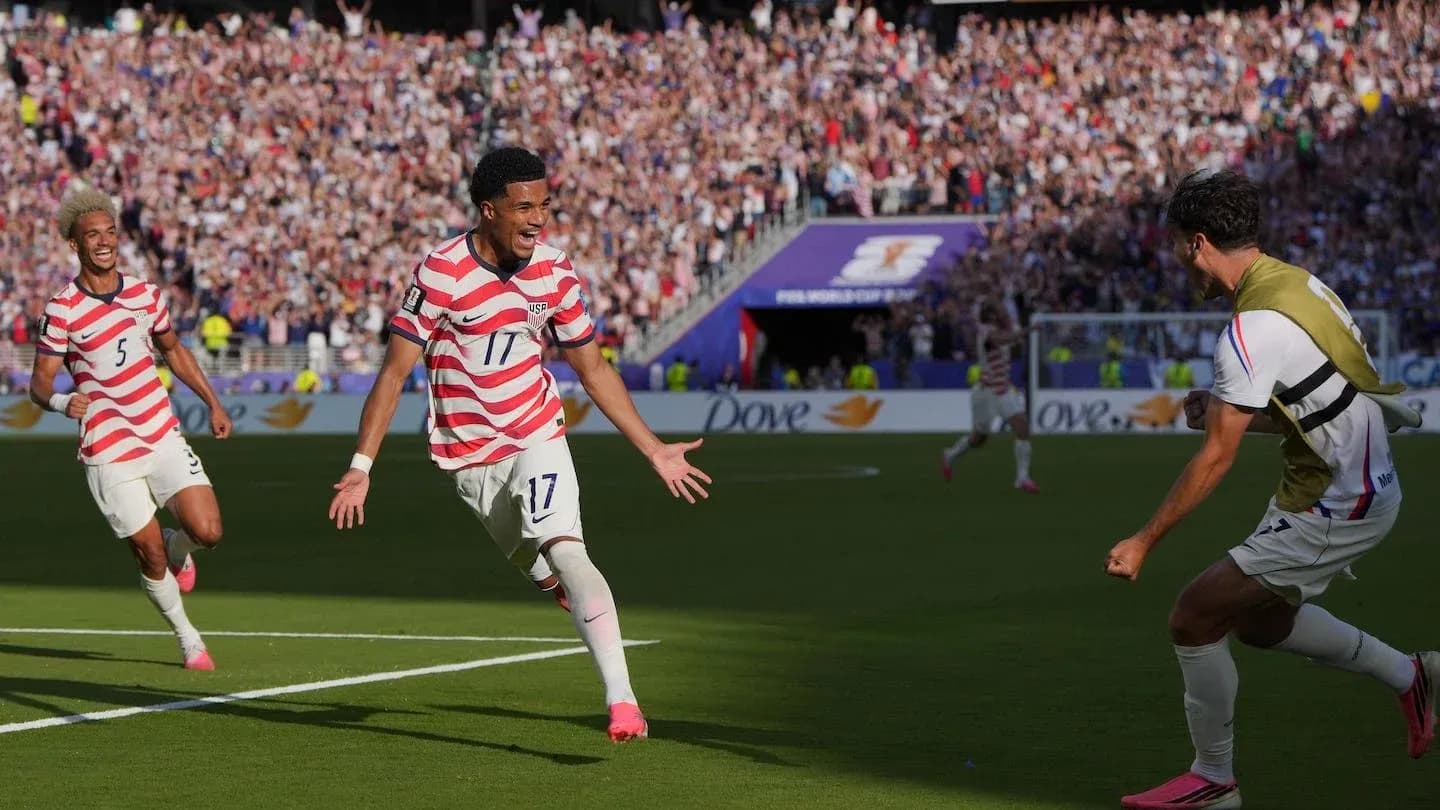
USA Dominates Bosnia & Herzegovina in World Cup Round of 32
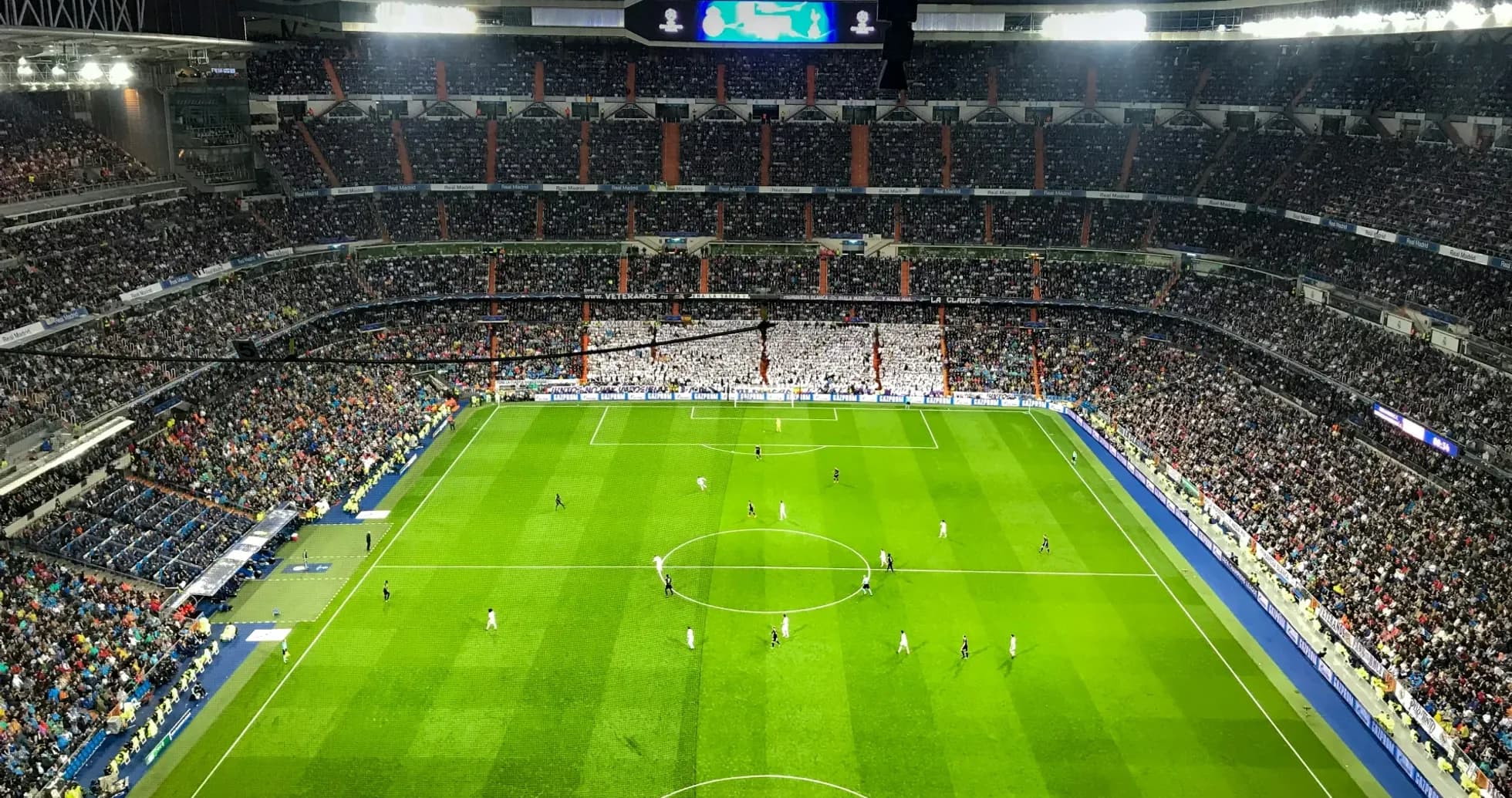
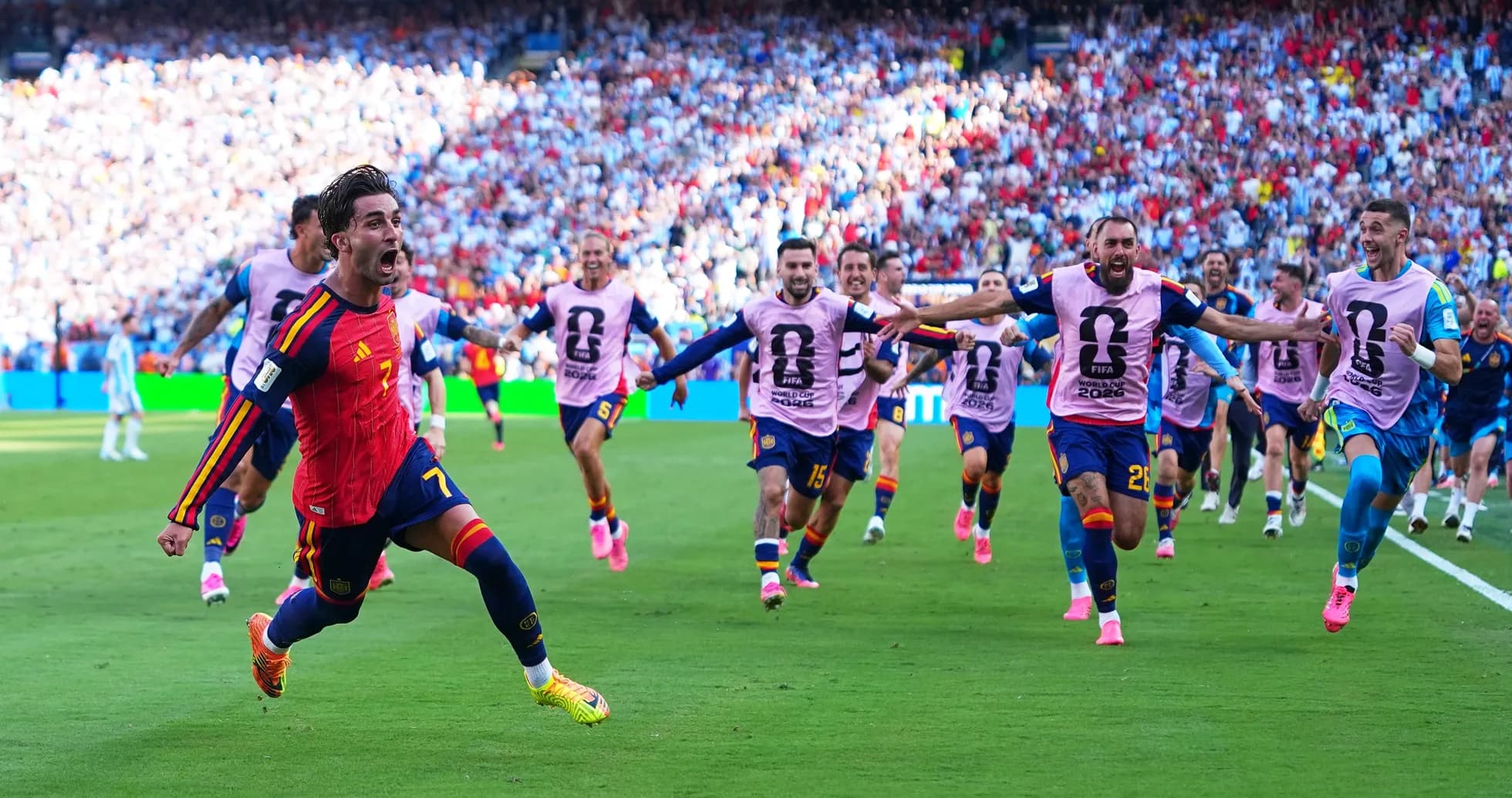
Under the California night at Levi’s Stadium, the World Cup’s Round of 32 turned into a statement of intent from USA. A 2–0 win over Bosnia & Herzegovina was more than a clean progression; it was a crystallisation of a side whose tournament identity has been forged on front-foot football, flexible structures, and a ruthless streak in both boxes.
Heading into this game, USA arrived as group winners from Group D, top of their section with 6 points and a goal difference of 4 from 3 matches, built on 8 goals scored and 4 conceded overall. Their wider World Cup campaign numbers painted the same picture: in total this campaign they had played 4 matches, winning 3 and losing just 1. At home venues they had been especially dominant, with 3 wins from 3, scoring 8 and conceding only 1, an average of 2.7 goals for and 0.3 against at home. Bosnia & Herzegovina, by contrast, came out of Group B with more scars. They reached the Round of 32 with 4 points from 3 matches and a goal difference of -1 overall, scoring 5 and conceding 6. Across their 4 matches in total, they had only 1 win, 1 draw and 2 defeats, and on their travels they had struggled badly: away, they had scored just 2 goals and conceded 7, averaging 0.7 for and 2.3 against.
USA’s Formation
Mauricio Pochettino doubled down on USA’s attacking DNA with a 4-3-3 that looked as fluid as it did aggressive. M. Freese started in goal, shielded by a back four of A. Robinson, T. Ream, C. Richards and A. Freeman. In front of them, the midfield trio of T. Adams, W. McKennie and M. Tillman formed a layered engine room: Adams as the anchor, McKennie as the box-crashing disruptor, Tillman drifting into half-spaces to knit play.
Ahead of them, the front three was built to stretch and pierce. C. Pulisic started from the left but with licence to roam inside, S. Dest nominally from the right but operating almost as an extra playmaker, and F. Balogun through the middle as the penalty-box spearhead. Balogun entered the knockout phase already among the World Cup’s more dangerous forwards: in total this campaign he had 3 goals from 3 appearances, all as a starter, with 8 shots (4 on target) and a rating of 7.23. His numbers underlined the dual nature of his threat and edge: 7 dribble attempts with 3 successes, 27 duels contested and 10 won, plus 7 fouls drawn and 3 committed. He had also walked the disciplinary tightrope, collecting 1 yellow card and 1 red in the tournament so far.
Bosnia & Herzegovina’s Formation
On the opposite bench, Sergej Barbarez leaned into Bosnia & Herzegovina’s need for defensive security with a 5-3-2. N. Vasilj was protected by a back five of S. Kolasinac, S. Radeljic, T. Muharemovic, N. Katic and A. Dedic. The midfield trio of K. Alajbegovic, I. Sunjic and A. Gigovic was built to scrap and screen, while up front the experienced E. Dzeko and the industrious E. Demirovic formed a classic strike partnership. The shape was a clear admission of context: Bosnia & Herzegovina had yet to keep a clean sheet in total this campaign and had conceded 8 goals overall, including 7 away, with no defensive shutouts on their travels.
The tactical voids were most evident in the absences. USA were without M. McKenzie (bruised foot) and C. Roldan (muscle bruise), trimming some of Pochettino’s defensive depth and midfield versatility from the bench. Yet the starting XI remained intact and familiar, especially in the 4-3-3 that had already been used twice this tournament. Bosnia & Herzegovina had no listed absentees, but their more subtle handicap lay in the disciplinary baggage carried by key figures. T. Muharemovic, for instance, arrived as one of the tournament’s notable red-card recipients, having been sent off once despite a solid defensive profile of 157 passes at 84% accuracy, 8 interceptions and 1 successful block in his 3 appearances.
Discipline and Tensions
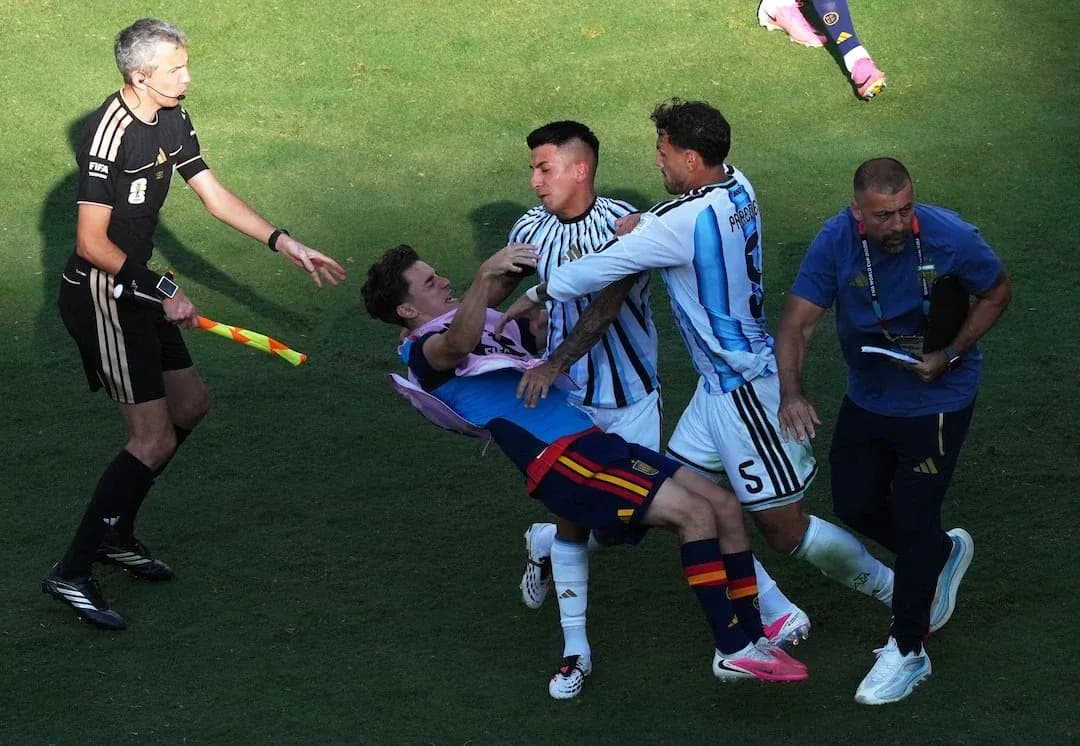
Discipline loomed over the tie. Heading into this game, USA’s yellow-card distribution showed a tendency to pick up cautions in the middle and later phases: 20.00% of their yellows came between 16–30 minutes, 40.00% between 46–60, and another 20.00% between 76–90, with a late red-card spike between 61–75 minutes accounting for 100.00% of their dismissals. Bosnia & Herzegovina were even more combustible late on, with 37.50% of their yellows arriving between 76–90 minutes and a red card in that same late window. In a knockout match, those patterns threatened to intersect precisely where tension is highest.
The Tactical Duel
The “Hunter vs Shield” duel was always likely to tilt the tie. On one side stood Balogun, the tournament’s sharp-edged finisher, supported by the creative gravity of Pulisic and the underlapping surges of Dest. On the other, a Bosnia & Herzegovina defence that, on their travels, had already leaked 7 goals in 3 matches and whose heaviest away defeat was 4–1. Even with a fifth defender added, the structural question remained: could they compress the space between lines enough to deny USA’s front three those inside channels?
In the “Engine Room” battle, T. Adams and W. McKennie were pitted against I. Sunjic and A. Gigovic. Adams’ task was to control transition moments, cutting off service into Dzeko’s feet, while McKennie’s late arrivals from midfield threatened to overload Bosnia & Herzegovina’s central block. For Barbarez’s side, Sunjic’s screening and Gigovic’s energy had to be perfect to prevent USA’s midfield from dictating tempo and territory.
Statistically, the prognosis before a ball was kicked was clear. USA’s overall goal difference of +6 in total this campaign (10 scored, 4 conceded) reflected a side that not only created but finished, and did so while keeping things relatively tight at the back, especially at home venues. Bosnia & Herzegovina’s overall goal difference of -3 (5 scored, 8 conceded) and their inability to keep a single clean sheet in 4 matches underlined a fragility that a high-tempo, possession-heavy opponent was always likely to expose.
The 2–0 final scoreline in San Francisco felt like the logical extension of those trends rather than a twist. USA’s structure, depth and attacking variety overwhelmed a Bosnia & Herzegovina side whose five-man defence could not fully mask their systemic issues. In a tournament increasingly defined by pressing intensity and verticality, Pochettino’s USA looked every inch a modern knockout machine; Bosnia & Herzegovina, for all their grit and the presence of Dzeko, were left chasing shadows and, ultimately, the game itself.