USA vs Belgium: World Cup Knockout Preview
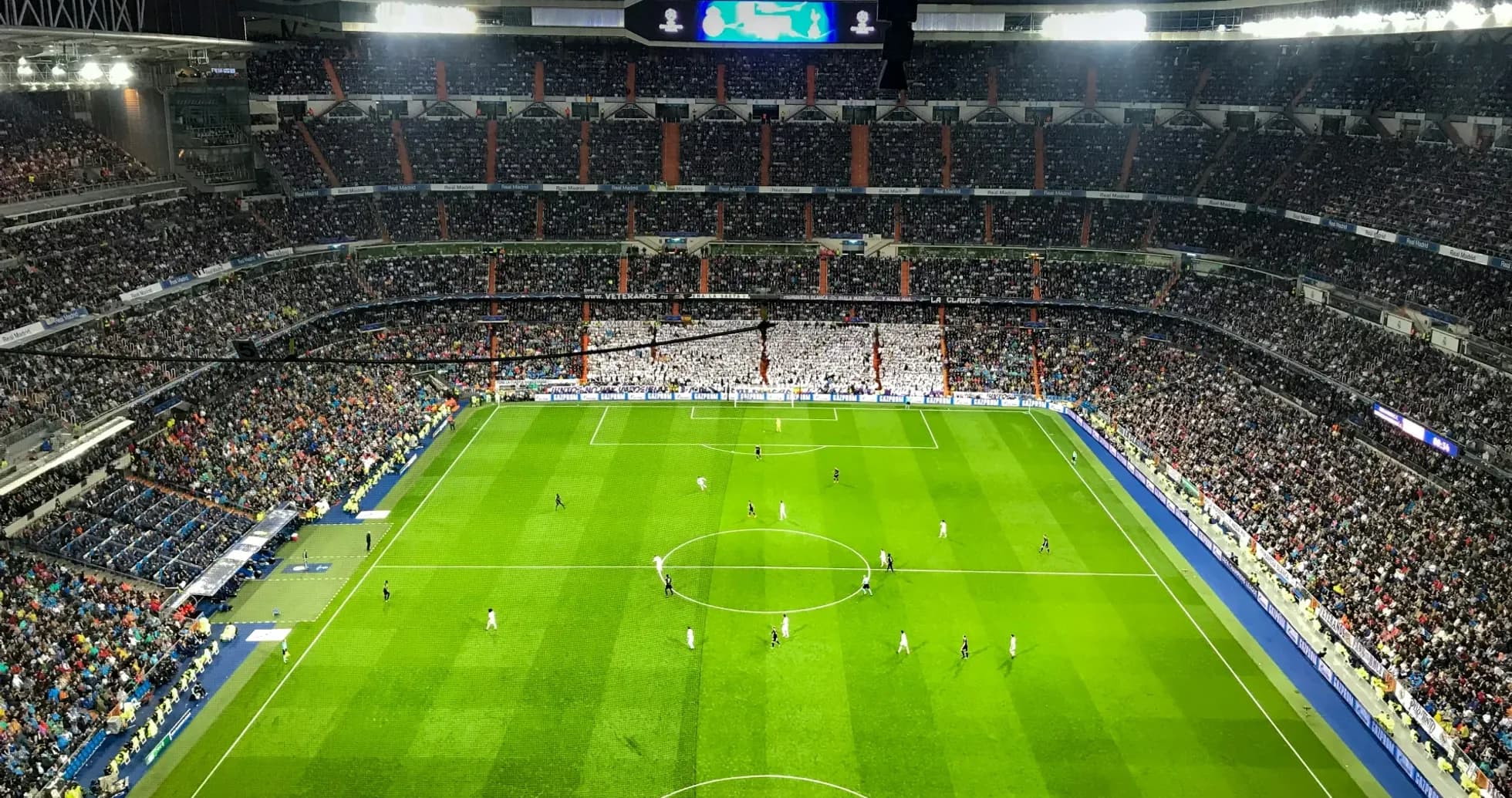
Under the lights of Lumen Field, with a sea of red, white, and blue facing a wall of Belgian red, USA and Belgium step into a World Cup knockout night on 7 July 2026 with everything on the line. The Round of 16 offers no second chances: for USA, it is a chance to turn group momentum into a statement on home soil; for Belgium, it is the latest chapter of a golden generation trying to turn consistency into a deep run on the biggest stage.
Season Context
USA arrive as group winners from Group D, having taken 6 points from 3 matches (8 goals scored, 4 conceded). With 2 wins and 1 defeat, they have shown they can overwhelm opponents going forward (8 goals in 3 games, 2.7 per match) but also leave space at the back (4 goals conceded in 3 games). Top spot and a positive goal difference of +4 underline a side that has embraced the pressure of a home World Cup.
Belgium also topped their section, finishing first in Group G with 5 points from 3 matches (6 goals scored, 2 conceded). One win and two draws, plus a goal difference of +4, paint the picture of a team that has been solid and controlled (only 2 goals conceded in 3 games, 0.7 per match) while still carrying threat (6 scored). They advance from the group with the air of a side that expects to be in these latter stages.
Form & Momentum
USA’s form line reads “WLWW”, a sequence that reflects a team capable of responding to setbacks (2 wins in their last 3 after that single loss) and carrying real attacking punch (8 goals in 3 group matches, 2.7 per game). The combination of a strong scoring rate and a positive goal difference (+4) justifies describing them as dangerous going forward (8 goals scored in 3 games) but still a touch open defensively (4 conceded in 3 games).
Belgium come in with “WWDD” in the standings, a run that underlines their resilience (unbeaten in the group with 1 win and 2 draws) and defensive control (only 2 goals conceded in 3 games, 0.7 per match). With 6 goals scored across those 3 matches (2 per game) and the same +4 goal difference as USA, Belgium can fairly be called balanced (6 goals scored and 2 conceded in 3 matches) and difficult to break down at this stage.
Head-to-Head Patterns
Recent history between these two sides tilts towards Belgium, and the numbers support that claim. In their latest meeting, Belgium beat USA 5-2 in Atlanta in a friendly at Mercedes-Benz Stadium (2-5) (Friendlies, season 2026, March 2026), a reminder of the Europeans’ ability to punish defensive lapses. On the World Cup stage, the most vivid memory comes from Salvador: Belgium 2-1 USA after extra time in the Round of 16 at Itaipava Arena Fonte Nova (Salvador, Bahia) (2-1) (World Cup, season 2014, July 2014), where Belgium, as the designated home team, eventually broke through a stubborn USA. Those two competitive and non-competitive clashes show a clear pattern of Belgium finding ways to win, but they also confirm that USA can create chances and score against them.
Tactical Preview
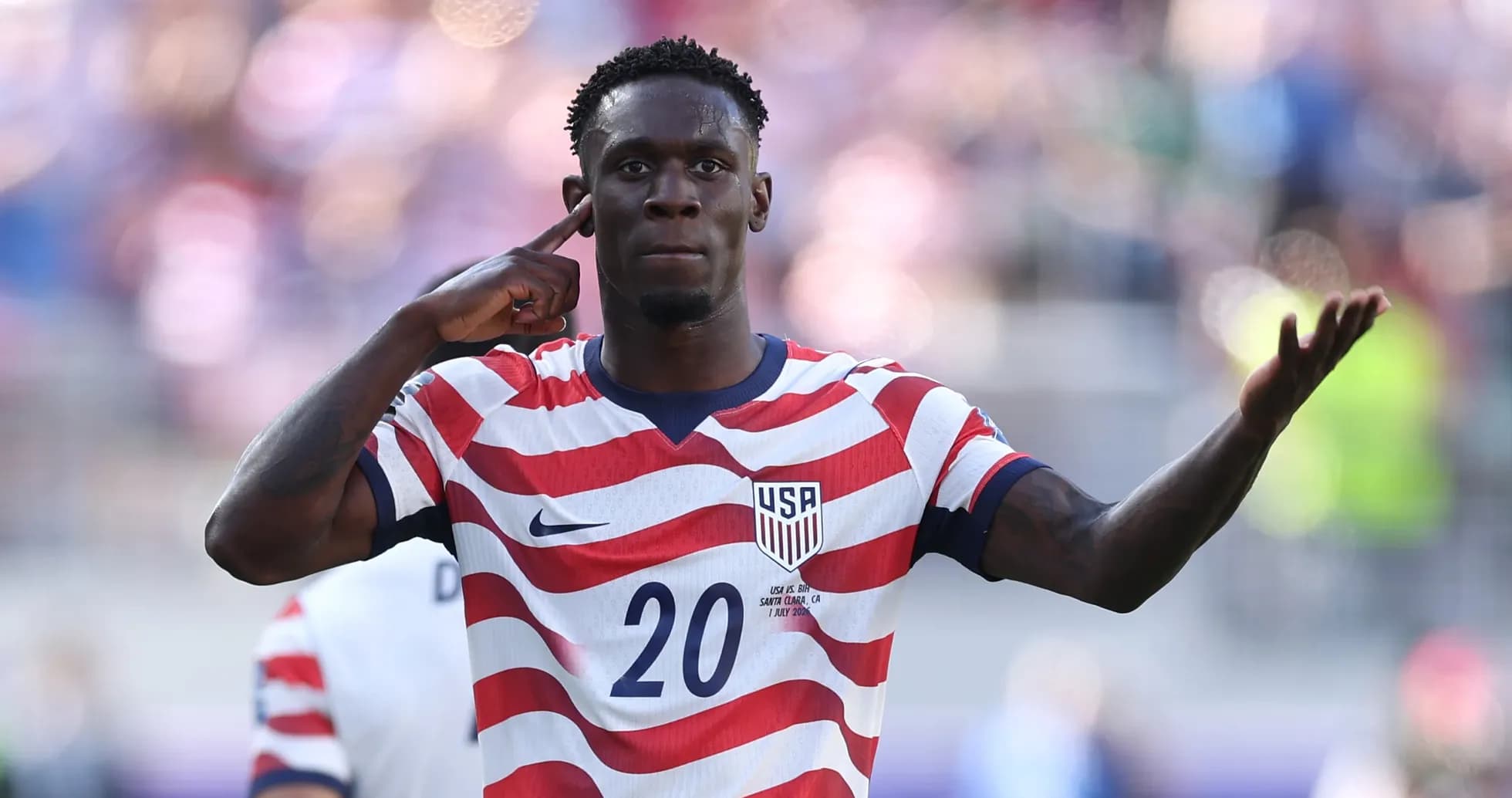
USA’s statistical profile suggests a proactive, front-foot approach. Their team statistics show frequent use of 4-3-3 (2 matches) and 4-2-3-1 (1 match), plus a switch to 3-5-2 in another game, indicating flexibility in how they build attacks. With 8 goals scored in 3 World Cup matches from the standings (2.7 per game) and 10 across 4 matches in the wider sample (2.5 per game), USA can be described as aggressive in attack (10 goals across 4 matches). The presence of F. Balogun as a leading scorer in the competition (3 goals in 3 appearances) adds a focal point, even though F. Balogun is unavailable here due to a red card and is listed as “Missing Fixture” for this very match. That absence forces USA to lean more heavily on attackers like C. Pulisic, T. Weah, and R. Pepi from a squad that includes multiple forwards and creative midfielders such as G. Reyna and W. McKennie.
Defensively, USA’s broader stats show 4 goals conceded in 4 matches in the extended sample (1.0 per game), but the group-stage standings highlight 4 conceded in just 3 matches (1.3 per game), supporting the idea that they can be vulnerable when stretched (4 goals conceded in 3 group games). The frequent use of back-four systems (4-3-3 and 4-2-3-1) suggests they will likely rely on full-backs like S. Dest and A. Robinson and centre-backs such as C. Richards and M. Robinson to manage Belgium’s wide and central threats.
Belgium’s team statistics reveal a clear tactical identity: 4-2-3-1 has been used in all 4 of their recent matches, indicating a stable structure built around a double pivot and a creative line of three behind the striker. With 9 goals scored across 4 matches in the extended data (2.3 per game) and 6 in 3 group games (2 per match), Belgium can be considered consistently dangerous in the final third (9 goals across 4 matches). The squad list shows high-level technical quality in midfield with K. De Bruyne, Y. Tielemans, and A. Witsel, plus wide and support threats from J. Doku, L. Trossard, and C. De Ketelaere, feeding a central striker like R. Lukaku.
Defensively, Belgium have conceded 4 goals in 4 matches in the extended sample (1.0 per game) and only 2 in the 3 group games (0.7 per match), which supports describing them as solid at the back (2 goals conceded in 3 group matches). The presence of defenders like N. Ngoy, who has contributed 4 tackles and 3 interceptions in the competition, and experienced full-backs such as T. Castagne and T. Meunier, fits a side that can manage USA’s pace if their defensive line holds. However, N. Ngoy has one red card in this World Cup, hinting at a willingness to defend on the edge (1 red card in his 2 appearances).
One key tactical subplot will be how USA compensate for the loss of F. Balogun’s penalty-box presence (3 goals, 8 shots, 4 on target, and 7 fouls drawn across 3 games) and whether Belgium’s settled 4-2-3-1 can exploit any reshuffling in the American front line. The comparison model slightly favours Belgium overall (comparison total index: USA 47.4 vs Belgium 52.6), and the Poisson index is almost even (51 vs 49), hinting at a finely balanced contest where individual quality and in-game adjustments could decide it.
Statistical Snapshot
- Competition: World Cup, season 2026 — 7 July 2026.
- Venue: Lumen Field, null.
- Prediction: Win or draw — Double chance : draw or Belgium.
- Win Probabilities: Home 10% / Draw 45% / Away 45%.
- Model: USA 47.4% — Belgium 52.6%.
Betting Verdict
The prediction model leans towards Belgium avoiding defeat, with a double-chance angle (“Double chance : draw or Belgium”) backed by win probabilities of 45% for Belgium and 45% for the draw against just 10% for USA. The odds market is broadly balanced, with home prices for USA ranging roughly from 2.56 to 2.81 (implied probability around 35.6–39.1%) and away prices for Belgium from about 2.50 to 2.70 (implied probability around 37.0–40.0%), underlining how tight this matchup appears. Belgium’s unbeaten group run (WWDD in the broader form data, 0 defeats in 3 group games) and their favourable head-to-head record in competitive and recent fixtures support the cautious preference for the Europeans. With USA missing their top scorer F. Balogun and Belgium’s structure looking more settled, the analytical case points towards Belgium on the double chance, with a draw or narrow Belgian win the most data-aligned outcome.